
4 Ancient Shiva Temples Linked to the 12 Jyotirlingas
Nidhi | Feb 20, 2026, 23:43 IST

Lord Shiva
Image credit : Ai
The 12 Jyotirlingas are among the holiest Shiva shrines in Hinduism, symbolizing the infinite light form of Lord Shiva. Discover four ancient Shiva temples deeply linked to the sacred Jyotirlinga tradition, each carrying powerful mythology, historical legacy, and spiritual significance. From Somnath to Omkareshwar, explore how these temples continue to shape devotion and pilgrimage across India.
“सौराष्ट्रे सोमनाथं च श्रीशैले मल्लिकार्जुनम्।
उज्जयिन्यां महाकालम् ओंकारे ममलेश्वरम्॥”
There is something deeply humbling about standing inside an ancient Shiva temple. The stone feels cold, the bells echo through centuries, and the fragrance of incense seems unchanged from what devotees might have experienced a thousand years ago. These are not just places of worship. They are living memories of faith. Among them, the Jyotirlingas hold a special place in Hindu tradition. They are believed to be the sacred spots where Lord Shiva manifested as an endless pillar of divine light, revealing His infinite nature.
Across India, several ancient temples are directly linked to the twelve Jyotirlingas described in the Shiva Purana. Some are themselves part of the twelve. Others are historically and spiritually intertwined with this sacred tradition. Here are four ancient Shiva temples deeply connected to the network of the twelve Jyotirlingas.
![Nehru was not too enthused with idea of Somnath Temple restoration, says PM Modi]() Often regarded as the first among the twelve Jyotirlingas, Somnath stands on the western coast of Gujarat, facing the Arabian Sea. Its location itself feels symbolic, as if it marks the edge of the land and the beginning of something eternal.
Often regarded as the first among the twelve Jyotirlingas, Somnath stands on the western coast of Gujarat, facing the Arabian Sea. Its location itself feels symbolic, as if it marks the edge of the land and the beginning of something eternal.
According to the Shiva Purana, Chandra, the Moon God, was cursed by his father in law Daksha to lose his brilliance. In desperation, Chandra performed intense penance at Prabhas Kshetra. Lord Shiva appeared and partially relieved the curse, allowing the moon to wax and wane. Shiva became known here as Somnath, the Lord of the Moon.
Historically, Somnath has been destroyed and rebuilt several times, including during medieval invasions. Its reconstruction in 1951 under the guidance of Sardar Vallabhbhai Patel symbolized cultural resilience. Today, it represents renewal and faith that withstands adversity. Devotees believe that worship at Somnath helps restore balance and remove deep rooted karmic burdens.
Nestled in the Nallamala Hills along the Krishna River, the Mallikarjuna Temple at Srisailam is unique because it is both a Jyotirlinga and a Shakti Peetha. This dual identity makes it one of the most spiritually powerful shrines in India.
The Skanda Purana narrates that when Kartikeya left Mount Kailash after feeling neglected, Shiva and Parvati came to Srisailam to pacify him. Shiva manifested here as Mallikarjuna, combining the names of Mallika, meaning Parvati, and Arjuna, meaning Shiva.
The temple has inscriptions from ancient dynasties such as the Satavahanas and Vijayanagara rulers, confirming its antiquity. Architecturally, it reflects traditional Dravidian style with imposing gateways and intricate carvings. Spiritually, Mallikarjuna symbolizes compassion and parental grace. Devotees seek blessings here for harmony, emotional strength and protection.
![MP: Mahakaleshwar Temple decked up with Tiranga to mark 77th Republic Day]() In the ancient city of Ujjain stands the Mahakaleshwar Temple, one of the most revered Jyotirlingas. The lingam here is considered swayambhu, meaning self manifested, and it uniquely faces south, symbolizing Shiva’s mastery over time and death.
In the ancient city of Ujjain stands the Mahakaleshwar Temple, one of the most revered Jyotirlingas. The lingam here is considered swayambhu, meaning self manifested, and it uniquely faces south, symbolizing Shiva’s mastery over time and death.
According to legend, a demon named Dushana terrorized the city of Avanti. When devotees prayed for protection, Lord Shiva appeared in a fierce form and destroyed the demon. He chose to reside there as Mahakala, the Lord of Time.
Ujjain has long been a center of astronomy and learning, adding historical depth to the temple’s spiritual significance. The Bhasma Aarti performed at dawn, where sacred ash is offered to the deity, represents the transient nature of life. Mahakaleshwar reminds devotees that while time governs all existence, Shiva transcends time itself. Worship here is believed to reduce fear and strengthen inner courage.
Located on Mandhata Island in the Narmada River, Omkareshwar is another Jyotirlinga deeply rooted in symbolism. The island is said to resemble the sacred syllable Om, the primordial sound of creation.
The Shiva Purana describes how King Mandhata performed intense penance here to please Lord Shiva. In response, Shiva manifested as Omkareshwar. Another legend links the site to divine intervention in cosmic battles between gods and demons.
The temple’s position along the river enhances its spiritual aura. The flowing Narmada is itself considered sacred in Hindu tradition. Omkareshwar represents the unity of the individual soul with the universal consciousness. Devotees believe that worship here promotes spiritual clarity and inner equilibrium.
उज्जयिन्यां महाकालम् ओंकारे ममलेश्वरम्॥”
There is something deeply humbling about standing inside an ancient Shiva temple. The stone feels cold, the bells echo through centuries, and the fragrance of incense seems unchanged from what devotees might have experienced a thousand years ago. These are not just places of worship. They are living memories of faith. Among them, the Jyotirlingas hold a special place in Hindu tradition. They are believed to be the sacred spots where Lord Shiva manifested as an endless pillar of divine light, revealing His infinite nature.
Across India, several ancient temples are directly linked to the twelve Jyotirlingas described in the Shiva Purana. Some are themselves part of the twelve. Others are historically and spiritually intertwined with this sacred tradition. Here are four ancient Shiva temples deeply connected to the network of the twelve Jyotirlingas.
1. Somnath Temple
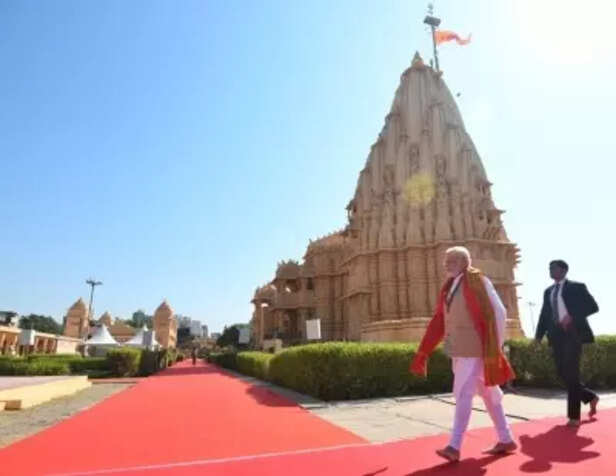
Nehru was not too enthused with idea of Somnath Temple restoration, says PM Modi
Image credit : IANS
According to the Shiva Purana, Chandra, the Moon God, was cursed by his father in law Daksha to lose his brilliance. In desperation, Chandra performed intense penance at Prabhas Kshetra. Lord Shiva appeared and partially relieved the curse, allowing the moon to wax and wane. Shiva became known here as Somnath, the Lord of the Moon.
Historically, Somnath has been destroyed and rebuilt several times, including during medieval invasions. Its reconstruction in 1951 under the guidance of Sardar Vallabhbhai Patel symbolized cultural resilience. Today, it represents renewal and faith that withstands adversity. Devotees believe that worship at Somnath helps restore balance and remove deep rooted karmic burdens.
2. Mallikarjuna Temple
The Skanda Purana narrates that when Kartikeya left Mount Kailash after feeling neglected, Shiva and Parvati came to Srisailam to pacify him. Shiva manifested here as Mallikarjuna, combining the names of Mallika, meaning Parvati, and Arjuna, meaning Shiva.
The temple has inscriptions from ancient dynasties such as the Satavahanas and Vijayanagara rulers, confirming its antiquity. Architecturally, it reflects traditional Dravidian style with imposing gateways and intricate carvings. Spiritually, Mallikarjuna symbolizes compassion and parental grace. Devotees seek blessings here for harmony, emotional strength and protection.
3. Mahakaleshwar Temple
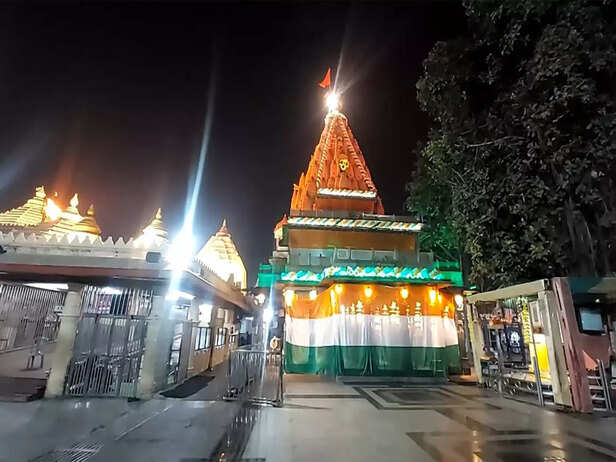
MP: Mahakaleshwar Temple decked up with Tiranga to mark 77th Republic Day
Image credit : ANI
According to legend, a demon named Dushana terrorized the city of Avanti. When devotees prayed for protection, Lord Shiva appeared in a fierce form and destroyed the demon. He chose to reside there as Mahakala, the Lord of Time.
Ujjain has long been a center of astronomy and learning, adding historical depth to the temple’s spiritual significance. The Bhasma Aarti performed at dawn, where sacred ash is offered to the deity, represents the transient nature of life. Mahakaleshwar reminds devotees that while time governs all existence, Shiva transcends time itself. Worship here is believed to reduce fear and strengthen inner courage.
4. Omkareshwar Temple
The Shiva Purana describes how King Mandhata performed intense penance here to please Lord Shiva. In response, Shiva manifested as Omkareshwar. Another legend links the site to divine intervention in cosmic battles between gods and demons.
The temple’s position along the river enhances its spiritual aura. The flowing Narmada is itself considered sacred in Hindu tradition. Omkareshwar represents the unity of the individual soul with the universal consciousness. Devotees believe that worship here promotes spiritual clarity and inner equilibrium.