
5 Ekadashi Vrats of Lord Vishnu That Can Completely Change Your Destiny
Nidhi | Feb 20, 2026, 22:56 IST

vishnu
Image credit : Pixabay
Ekadashi is considered one of the most powerful spiritual observances in Hinduism. Discover 5 sacred Ekadashi vrats dedicated to Lord Vishnu that are believed to cleanse karma, remove obstacles, and transform your destiny through devotion and discipline.
एकादश्यां उपोष्य विष्णुं भक्त्या पूजयते नरः।
सर्वपापविनिर्मुक्तो विष्णुलोकं स गच्छति॥
It is believed in the Vaishnava tradition that observing Ekadashi with sincerity purifies the mind and aligns the soul with Lord Vishnu. Ekadashi, the eleventh lunar day of every fortnight, holds a special place in Hindu dharma. The Padma Purana, Skanda Purana and Bhavishya Purana describe Ekadashi as a divine manifestation that emerged from Lord Vishnu Himself to protect dharma and free devotees from accumulated karma.
Among the 24 Ekadashis observed each year, some are considered especially powerful due to their scriptural importance, spiritual symbolism and transformative impact on a devotee’s life. These vrats are not merely about fasting from food. They are disciplines of consciousness that aim to purify intention, reduce attachment and strengthen surrender to Lord Vishnu.
![Vishnu Silence]()
Nirjala Ekadashi, observed during the Shukla Paksha of the month of Jyeshtha, is considered one of the most rigorous and spiritually rewarding Ekadashis. The term Nirjala means without water. Devotees abstain from both food and water for the entire day and night, breaking the fast only on Dwadashi.
According to the Mahabharata and Padma Purana, Bhima, the second Pandava, could not observe all Ekadashis due to his strong appetite. On the advice of Sage Vyasa, he observed Nirjala Ekadashi once a year to receive the merit of all 24 Ekadashis. Because of this, it is also called Bhimseni Ekadashi.
Scriptures state that the spiritual merit of observing Nirjala Ekadashi equals that of performing multiple yajnas and pilgrimages. It is believed to burn accumulated karmic impressions, strengthen willpower and cultivate deep surrender to Lord Vishnu. The austerity involved symbolizes conquering bodily desires and aligning with higher consciousness.
Vaikuntha Ekadashi is observed during the Shukla Paksha of the month of Margashirsha or Pausha, depending on regional calendars. In South India, it is one of the most celebrated festivals in Vaishnava temples such as Tirumala Venkateswara Temple and Srirangam Ranganathaswamy Temple.
According to the Padma Purana, on this day the gates of Vaikuntha, the divine abode of Lord Vishnu, are believed to open for devotees. Temples symbolically open a special entrance called the Vaikuntha Dwaram, representing spiritual liberation.
Vaikuntha Ekadashi emphasizes devotion, chanting of Vishnu Sahasranama and meditation on Narayana. The vrat is believed to grant moksha or liberation by purifying the heart and removing ignorance. Spiritually, it represents the opening of inner consciousness where the ego dissolves and divine awareness emerges. For many devotees, it is not just a fast but a doorway to inner transformation.
![Vishnu Sleep for Four Months]()
Devshayani Ekadashi, observed during the Shukla Paksha of Ashadha month, marks the beginning of Chaturmas, the four holy months when Lord Vishnu is believed to enter Yoga Nidra, a cosmic meditative sleep.
This Ekadashi is deeply symbolic. It represents a time when the external world slows down and spiritual introspection begins. Devotees increase prayer, charity and disciplined living during Chaturmas. Many saints and ascetics traditionally avoid long travels during this period and focus on sadhana.
Scriptures mention that observing Devshayani Ekadashi with devotion grants stability in life, protection from negative influences and spiritual growth. It is associated with the preservation aspect of Vishnu, reminding devotees that divine grace sustains the universe even when outward activity appears still. The vrat encourages discipline, reflection and inner purification.
Devutthana Ekadashi, observed in the Shukla Paksha of Kartik month, marks the end of Chaturmas. It is believed that Lord Vishnu awakens from His cosmic sleep on this day.
This Ekadashi carries strong cultural and spiritual significance. Many Hindu marriages and auspicious ceremonies resume after this day. In the Bhagavata and Padma Purana traditions, Devutthana Ekadashi symbolizes renewal, divine awakening and restoration of dharma.
Observing this vrat is said to bring clarity, renewed energy and positive transformation. It signifies the awakening of spiritual awareness within the devotee. Fasting and worship on this day are believed to remove obstacles and invite prosperity and harmony into life. The transition from divine sleep to awakening represents the shift from ignorance to wisdom.
![Mohini]()
Mohini Ekadashi, observed during the Shukla Paksha of Vaishakha month, is associated with Lord Vishnu’s Mohini avatar. In this form, Vishnu assumed a captivating appearance to distribute amrita among the devas and protect cosmic order.
According to the Puranas, Mohini Ekadashi has the power to free a person from illusions and sinful reactions. The name Mohini signifies enchantment. The vrat emphasizes conquering attachment, desire and delusion.
Spiritually, Mohini Ekadashi is considered effective in cleansing deep-seated mental impurities. Observing it with devotion is believed to enhance clarity of thought, emotional balance and ethical living. It aligns the devotee with Vishnu’s role as the protector of cosmic harmony and moral order.
सर्वपापविनिर्मुक्तो विष्णुलोकं स गच्छति॥
It is believed in the Vaishnava tradition that observing Ekadashi with sincerity purifies the mind and aligns the soul with Lord Vishnu. Ekadashi, the eleventh lunar day of every fortnight, holds a special place in Hindu dharma. The Padma Purana, Skanda Purana and Bhavishya Purana describe Ekadashi as a divine manifestation that emerged from Lord Vishnu Himself to protect dharma and free devotees from accumulated karma.
Among the 24 Ekadashis observed each year, some are considered especially powerful due to their scriptural importance, spiritual symbolism and transformative impact on a devotee’s life. These vrats are not merely about fasting from food. They are disciplines of consciousness that aim to purify intention, reduce attachment and strengthen surrender to Lord Vishnu.
1. Nirjala Ekadashi
Vishnu Silence
Image credit : Pixabay
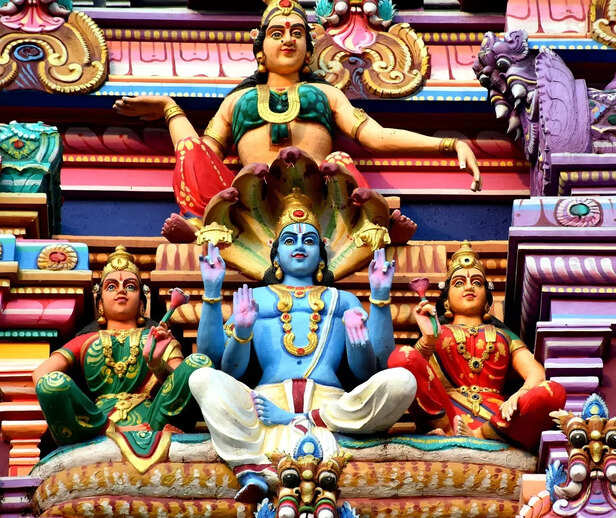
Nirjala Ekadashi, observed during the Shukla Paksha of the month of Jyeshtha, is considered one of the most rigorous and spiritually rewarding Ekadashis. The term Nirjala means without water. Devotees abstain from both food and water for the entire day and night, breaking the fast only on Dwadashi.
According to the Mahabharata and Padma Purana, Bhima, the second Pandava, could not observe all Ekadashis due to his strong appetite. On the advice of Sage Vyasa, he observed Nirjala Ekadashi once a year to receive the merit of all 24 Ekadashis. Because of this, it is also called Bhimseni Ekadashi.
Scriptures state that the spiritual merit of observing Nirjala Ekadashi equals that of performing multiple yajnas and pilgrimages. It is believed to burn accumulated karmic impressions, strengthen willpower and cultivate deep surrender to Lord Vishnu. The austerity involved symbolizes conquering bodily desires and aligning with higher consciousness.
2. Vaikuntha Ekadashi
According to the Padma Purana, on this day the gates of Vaikuntha, the divine abode of Lord Vishnu, are believed to open for devotees. Temples symbolically open a special entrance called the Vaikuntha Dwaram, representing spiritual liberation.
Vaikuntha Ekadashi emphasizes devotion, chanting of Vishnu Sahasranama and meditation on Narayana. The vrat is believed to grant moksha or liberation by purifying the heart and removing ignorance. Spiritually, it represents the opening of inner consciousness where the ego dissolves and divine awareness emerges. For many devotees, it is not just a fast but a doorway to inner transformation.
3. Devshayani Ekadashi
Vishnu Sleep for Four Months
Image credit : Pexels
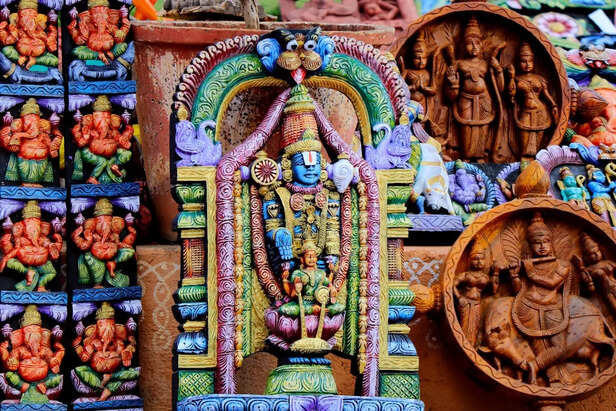
Devshayani Ekadashi, observed during the Shukla Paksha of Ashadha month, marks the beginning of Chaturmas, the four holy months when Lord Vishnu is believed to enter Yoga Nidra, a cosmic meditative sleep.
This Ekadashi is deeply symbolic. It represents a time when the external world slows down and spiritual introspection begins. Devotees increase prayer, charity and disciplined living during Chaturmas. Many saints and ascetics traditionally avoid long travels during this period and focus on sadhana.
Scriptures mention that observing Devshayani Ekadashi with devotion grants stability in life, protection from negative influences and spiritual growth. It is associated with the preservation aspect of Vishnu, reminding devotees that divine grace sustains the universe even when outward activity appears still. The vrat encourages discipline, reflection and inner purification.
4. Devutthana Ekadashi
This Ekadashi carries strong cultural and spiritual significance. Many Hindu marriages and auspicious ceremonies resume after this day. In the Bhagavata and Padma Purana traditions, Devutthana Ekadashi symbolizes renewal, divine awakening and restoration of dharma.
Observing this vrat is said to bring clarity, renewed energy and positive transformation. It signifies the awakening of spiritual awareness within the devotee. Fasting and worship on this day are believed to remove obstacles and invite prosperity and harmony into life. The transition from divine sleep to awakening represents the shift from ignorance to wisdom.
5. Mohini Ekadashi

Mohini
Image credit : Freepik
Mohini Ekadashi, observed during the Shukla Paksha of Vaishakha month, is associated with Lord Vishnu’s Mohini avatar. In this form, Vishnu assumed a captivating appearance to distribute amrita among the devas and protect cosmic order.
According to the Puranas, Mohini Ekadashi has the power to free a person from illusions and sinful reactions. The name Mohini signifies enchantment. The vrat emphasizes conquering attachment, desire and delusion.
Spiritually, Mohini Ekadashi is considered effective in cleansing deep-seated mental impurities. Observing it with devotion is believed to enhance clarity of thought, emotional balance and ethical living. It aligns the devotee with Vishnu’s role as the protector of cosmic harmony and moral order.