The appeal of a very hot bath in winter is not irrational. Cold air contracts blood vessels, muscles tighten, and the body reads heat as permission to release. The problem is that the skin's outermost layer, the stratum corneum, does not distinguish between welcome warmth and a lipid extraction event.
What Hot Water Actually Does to Skin Oils
The stratum corneum is held together by a matrix of ceramides, free fatty acids, and cholesterol, not water, not collagen, not anything that replenishes quickly. These lipids sit between skin cells the way mortar sits between bricks, and they are the reason skin holds moisture at all. Hot water, particularly above 40°C, is an efficient solvent for these fats. A long soak at that temperature does not just wash away surface grime; it pulls the lipid mortar out of the barrier itself. The skin does not feel tight immediately because the warmth keeps blood vessels dilated and the surface pliable. The tightness and flaking arrive twenty minutes after you step out, when the skin cools and the barrier gaps become apparent. In winter, when ambient humidity is already low and indoor heating pulls more moisture from the air, the barrier has less to work with before the bath and less to recover with after.
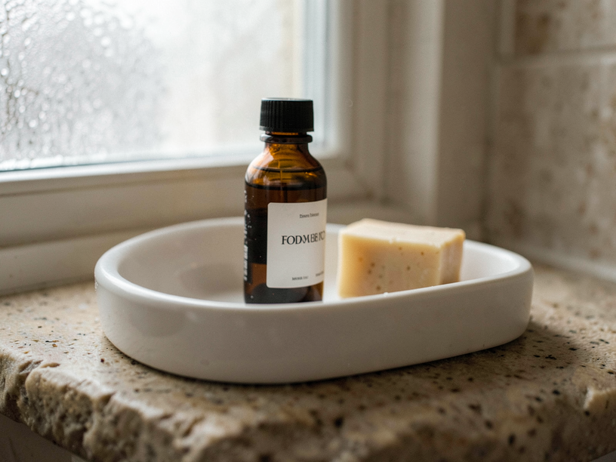
![Winter Bath Essentials]()
Winter Bath Essentials
Image credit : AI
Preparing for a warm bath in winter. My skin barrier needs care. #winter_skincare_dry_skin_tips
The Sebum Layer and Why It Matters More in Cold Months
Sebum, the oil produced by sebaceous glands, forms a thin film across the skin surface that slows transepidermal water loss, the passive evaporation of water through skin into the air. Sebaceous gland activity slows in cold weather, which is one reason skin feels drier in winter even before a single bath. A hot bath removes the sebum film that is already in short supply. What replaces it takes hours, and in very dry indoor air it may not fully replenish before the next wash. People with naturally drier skin types, and those whose sebaceous activity has slowed with age, feel this more acutely. The skin reads as flaky, and the instinct is to exfoliate, which removes the last of the compromised barrier and compounds the problem.
The Temperature That Gives You Warmth Without the Stripping
Water at 37°C to 38°C, just above body temperature, is warm enough to dilate superficial blood vessels, which is what produces the sensation of warmth and the release of muscle tension. It does not efficiently dissolve ceramides and fatty acids the way water at 42°C or above does. The difference between these temperatures is not perceptible as dramatic when you lower yourself in, but the barrier outcome over a winter of daily baths is measurable. Fifteen minutes at 38°C leaves the lipid matrix largely intact. Twenty-five minutes at 42°C, repeated daily, progressively thins it. If the bath feels insufficiently hot at 38°C, adding a few drops of a bath oil, a plain squalane or a jojoba-based oil, changes the sensory experience without raising the temperature. The oil coats the water surface and deposits a thin film on skin as you step out, partially compensating for what the water removes.
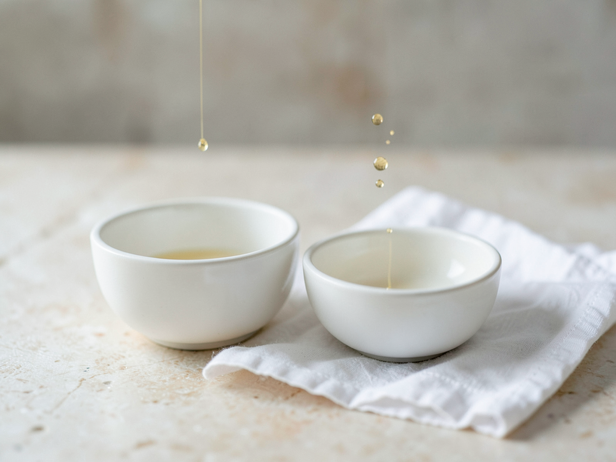
![Cream, Oil, Cloth Study]()
Cream, Oil, Cloth Study
Image credit : AI
Observing the delicate texture of cream and oil, essential for winter skincare dry skin tips.
What to Apply in the Three Minutes After You Step Out
The stratum corneum is most permeable immediately after bathing, when it is still slightly swollen with water. This is the window. A ceramide-containing moisturiser applied to damp skin, not dry skin, not skin towelled to completely dry, uses that permeability to deposit lipids where the barrier has thinned. The ceramide types that matter are ceramide NP, ceramide AP, and ceramide EOP; these appear on ingredient lists and correspond to the specific ceramides the stratum corneum uses structurally, not just as surface emollients. A product that lists these alongside cholesterol and a fatty acid such as palmitic or stearic acid is working with the barrier's own chemistry. Applying the same product to fully dry skin twenty minutes later is not equivalent, the permeability window has closed. Pat the skin lightly, leave it slightly damp, apply immediately. The warmth you wanted from the bath stays longer when the barrier is intact, because an intact barrier is also a better insulator.