The cotton swab wiped across the tweezer before your threading appointment is not sterilisation. It is a gesture, and in most Indian salons it is the only gesture you will see. Understanding the difference between what looks clean and what is actually safe is not paranoia, it is the gap between a good appointment and a fungal infection that takes three months to clear.
The Tools That Touch Blood, Even When You Cannot See It
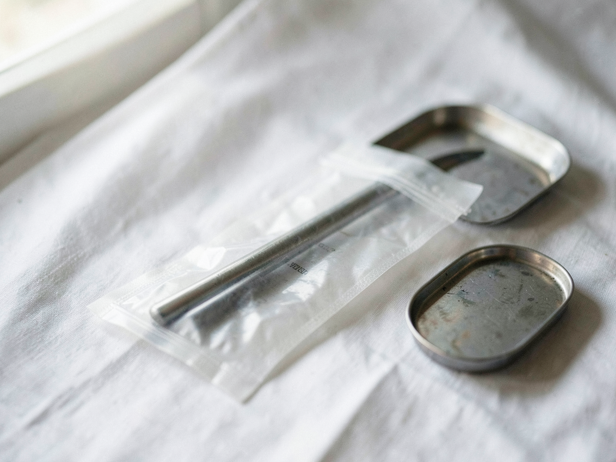
Cuticle cutters, callus razors, comedone extractors, eyebrow razors, and any blade used during a pedicure are in the highest-risk category. These tools break or abrade the skin barrier, and even a microscopic nick is enough to allow hepatitis B, hepatitis C, and staphylococcal bacteria to transfer between clients. The only safe standard for these instruments is autoclaving, a pressurised steam cycle that reaches 121 degrees Celsius and kills bacterial spores, not just surface bacteria. A soak in barbicide or a wipe with isopropyl alcohol is a disinfectant, not a sterilant. It reduces microbial load; it does not eliminate it. If a salon cannot show you an autoclave or sealed sterilisation pouches, the honest answer is that these tools are being disinfected between clients, not sterilised.
![Sterile Instrument Ready]()
Sterile Instrument Ready
Image credit : AI
Ensuring salon hygiene in India with sterile tools is paramount. This instrument is ready for safe use.
Nail Files, Buffers, and the Tools You Should Own Yourself
Porous tools cannot be sterilised. A nail file, a buffer block, a pumice stone, and a wooden cuticle stick all have surface textures that trap organic material, skin cells, oils, blood, in places that no chemical soak can fully reach. The professional standard for these is single-use: one client, then disposal. In practice, many Indian salons reuse them across dozens of appointments. The risk here is fungal: dermatophytes that cause onychomycosis, nail fungus, survive on porous surfaces and transfer readily. If you visit a salon regularly, carrying your own nail file and buffer is not excessive. It is the same logic as bringing your own mat to a yoga class.
Waxing, Threading, and What Shared Means
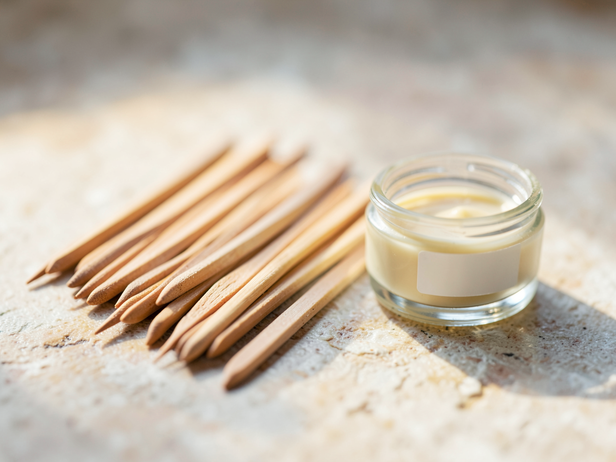
Double-dipping, returning the same wax applicator stick to the pot after it has touched a client's skin, is banned in professional standards internationally and widely practised in Indian salons without comment. Each dip re-introduces bacteria and skin cells into a pot that may serve thirty clients that day. Hot wax does not reach temperatures high enough to sterilise itself between dips. A clean salon uses a fresh stick for every application, or uses a roller system with a disposable head. Threading carries lower biological risk than waxing because thread is single-use by nature, but the hands doing the threading are not. A therapist who threads with unwashed hands and then moves to extraction work is a transmission route regardless of what the thread itself carries. Wax strips, cotton pads, and sponges are always single-use. If you see a sponge being rinsed and reused for facial work, that is the appointment to reschedule.
![Clean Applicators and Wax]()
Clean Applicators and Wax
Image credit : AI
Ensuring salon hygiene with sterile tools. This preparation is key to preventing nail salon infection risk.
Scissors, Combs, and the Tools Most Salons Get Right
Haircutting scissors, sectioning clips, and combs are non-invasive when used correctly, they contact hair and scalp rather than breaking skin. The appropriate standard here is high-level disinfection: a proper barbicide soak timed correctly, or an ultraviolet sanitiser cabinet between clients. Most established Indian salons do this reasonably well for cutting tools, because the professional habit is older and the risk of visible lice transmission is a client complaint that travels. The failure point is usually the shared towel. A damp towel reused across clients is a direct route for scalp conditions, including tinea capitis, ringworm of the scalp, and folliculitis. Fresh towels per client, or disposable cape liners, are the standard. A salon that hands you a visibly damp towel that has already done its work on someone else is cutting a corner that matters.
What to Ask Before the Appointment Starts
You do not need to conduct an inspection. One question does most of the work: ask where the instruments are sterilised. A salon with an autoclave will usually tell you without hesitation, because it is a selling point. A salon that gestures toward a jar of blue liquid is telling you something too. For nail appointments specifically, ask whether files and buffers are single-use or whether you can bring your own. For waxing, watch the first application, if the stick goes back into the pot, say something or leave. These are not unreasonable requests. A salon that treats them as unreasonable is a salon that has decided client hygiene is optional. The price of a service has no relationship to its hygiene standard. Some of the most expensive salons in Mumbai and Delhi reuse porous tools. Some mid-range neighbourhood salons autoclave everything that touches skin. The question is worth asking at any price point.