
How to Keep Your Hair Smooth and Frizz-Free in Winters
Charu Sharma | Dec 14, 2025, 09:17 IST

Smooth hair
Image credit : Freepik
The article talks about how the air getting dry during winter is the reason our hair becomes frizzy and rough and also tells the 5 simple habits that will help the hair to remain soft and easy to work with. The small but effective changes like using hydrating products and balanced oiling, lessening heat styling, hair protection while going out, and adding repair rituals by the week will make your hair retain its softness, shine, and frizz-free nature throughout the cold season.
Winter can be comfortable for your mood but your hair is the opposite. The cold winds out there and dry heaters inside take the moisture away from the hair, hence frizz, roughness, and unmanageable hair result. The smoothest hair even at times will seem dry and staticky. But the good news is, taking care of hair in winter does not mean costly treatments or complicated routines. Just a few wise changes of your daily habits will keep your hair soft, nourished, and free of frizz throughout the season. The present guide outlines five simple, scientifically verified winter hair care habits that truly function. It does not matter if your hair is straight, curly, or wavy, these steps will help you retain the shine, smoothness, and hydration during the coldest months.
1. Switch to Moisturising, Sulfate-Free Hair Products
![Sulfate free shampoo and conditioner]()
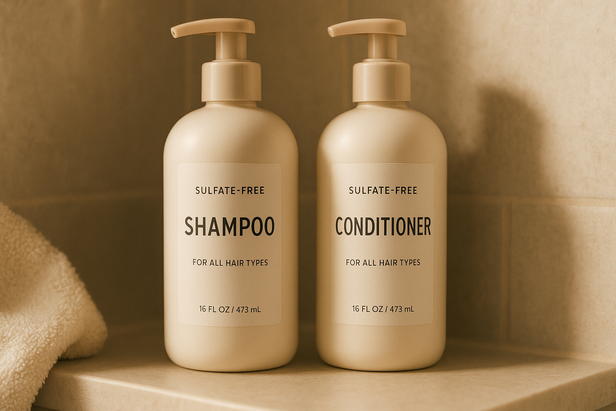
Winter basically sucks the moisture out from your scalp and hair. Using a harsh shampoo only worsens the situation as it strips off the natural oils. Thus, frizz, hair breaking, and dry ends will be your hair's response to such treatment. By merely changing your hair care products to gentle, sulfate-free, hydrating ones, the hair will continue to receive its necessary nourishment and stay silky smooth. You may use a shampoo and a conditioner containing any of the following ingredients: Shea butter, Argan oil, Coconut milk, Hyaluronic acid, keratin and Glycerin. These components are moisture barriers and at the same time they lower friction, to thus get rid of the frizz issue. Use shampoo not more than 2–3 times per week and definitely not every day. Put conditioner on your hair from the middle part to the ends, not the scalp. Once in a week, pamper your hair with a deep-conditioning mask.
2. Oil Your Hair the Right Way - Not Too Much, Not Too Little
![Hair oiling essentials]()
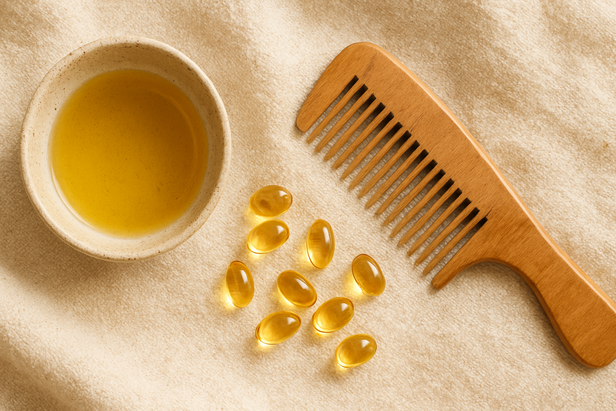
During the winter, your scalp may still dry out and flake even though your hair ends get brittle. Oiling helps in the restoration of lipids (natural fats) and also creates a protective layer against cold winds. However, washing your hair excessively after a heavy oil application can make your hair even drier. The secret is to have a balanced oiling routine. Make sure the oil is a bit warm before putting it on- it goes deeper that way. Don't just apply oil to the scalp; be sure to concentrate the lengths and ends very well. Keep it for 30-40 minutes rather than the whole night (overnight oiling can result in dandruff during winter). Wear oils such as argan, sweet almond, jojoba or coconut that are light in nature. Adding 2–3 drops of vitamin E will provide more shine and smoothness.
3. Reduce Heat Styling and Switch to Protective Drying
![Drying hair with microfiber towel]()
Dry winter air and heat styling together means you are losing your hair's moisture twice. This results in: frizz, split ends, static and dullness. Even if you are blowing your hair off incorrectly, it can make your hair balloon with frizz. Let your hair dry naturally to some extent and then take help of a hair dryer on cool or low heat. Always put on a heat protective spray before using a heat tool. Keep the use of straighteners and curlers to only once or twice a week. Use heatless styling methods such as braids or curling ribbons. Use a microfiber towel or a soft cotton T-shirt in place of a normal towel. It lessens the friction and the static.
4. Keep Your Hair Covered When You Step Out
![Woman wearing satin lined cap]()
Strong, cold winds dry out the cuticles (outer hair layer) of your hair, which makes hair frizzy and tangled. If you cover your hair, it is still safe from: dry wind cold air sudden temperature changes However, mutton caps and scarves may cause friction because of the materials, which in turn makes hair even more frizzy if they are not dealt with in a proper way. Wear a silk or satin scarf if you are going to put a woollen cap on your head. The breaking roots can be prevented by caps with satin lining. While travelling, tuck your hair inside your coat or scarf. Do not dare to step out with wet hair, particularly in winter.
5. Add Weekly Repair Rituals to Restore Moisture
![Hair mask repair]()
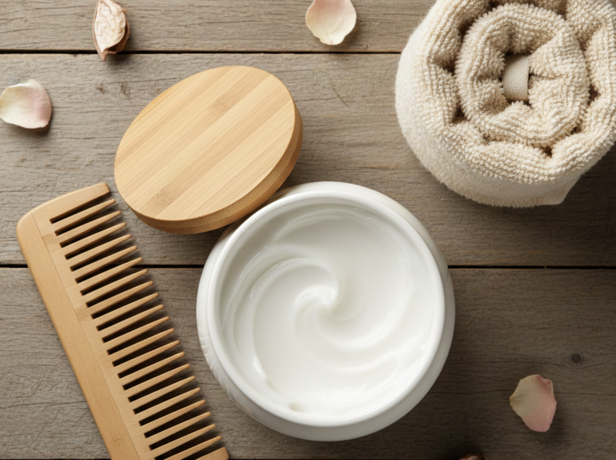
Winter is brutal and so your hair should be given additional hydration apart from what you use daily. Damage is repaired with weekly rituals and the frizz remains controlled. What to include: Hair masks - Nut oil, honey, banana, yogurt, or keratin-rich masks, Leave-in conditioners - Help the hair to be wrapped in a layer of protection, Serums - End splitting is done by the serums and shine is also added, Steam therapy - Gives more heat to the oils and masks for better penetration. Once a week, put on a mask and leave it on for 20–25 minutes. After hair drying, put on a serum about the size of a pea. If you have just put on your conditioner or mask, use steam for 5 minutes (you can also use a hot towel).
Final Note:
Hair in winter is not necessarily meant to be frizzy and tough. If you use the right products, follow a gentle routine, and keep your hair hydrated, the hair will remain soft and shiny even in cold weather. Tiny things such as intake of sulphate-free products, doing balanced oiling, drying with protection and taking nourishment once a week can be very effective. Incorporating these habits in your winter lifestyle will result in your hair getting healthier, developing a natural shine, and being free from frizz throughout the whole season.
FAQs (Frequently Asked Questions) :
1. Switch to Moisturising, Sulfate-Free Hair Products
Sulfate free shampoo and conditioner
Image credit : Times Life Bureau
Winter basically sucks the moisture out from your scalp and hair. Using a harsh shampoo only worsens the situation as it strips off the natural oils. Thus, frizz, hair breaking, and dry ends will be your hair's response to such treatment. By merely changing your hair care products to gentle, sulfate-free, hydrating ones, the hair will continue to receive its necessary nourishment and stay silky smooth. You may use a shampoo and a conditioner containing any of the following ingredients: Shea butter, Argan oil, Coconut milk, Hyaluronic acid, keratin and Glycerin. These components are moisture barriers and at the same time they lower friction, to thus get rid of the frizz issue. Use shampoo not more than 2–3 times per week and definitely not every day. Put conditioner on your hair from the middle part to the ends, not the scalp. Once in a week, pamper your hair with a deep-conditioning mask.
2. Oil Your Hair the Right Way - Not Too Much, Not Too Little
Hair oiling essentials
Image credit : Times Life Bureau
During the winter, your scalp may still dry out and flake even though your hair ends get brittle. Oiling helps in the restoration of lipids (natural fats) and also creates a protective layer against cold winds. However, washing your hair excessively after a heavy oil application can make your hair even drier. The secret is to have a balanced oiling routine. Make sure the oil is a bit warm before putting it on- it goes deeper that way. Don't just apply oil to the scalp; be sure to concentrate the lengths and ends very well. Keep it for 30-40 minutes rather than the whole night (overnight oiling can result in dandruff during winter). Wear oils such as argan, sweet almond, jojoba or coconut that are light in nature. Adding 2–3 drops of vitamin E will provide more shine and smoothness.
3. Reduce Heat Styling and Switch to Protective Drying

Drying hair with microfiber towel
Image credit : Times Life Bureau
Dry winter air and heat styling together means you are losing your hair's moisture twice. This results in: frizz, split ends, static and dullness. Even if you are blowing your hair off incorrectly, it can make your hair balloon with frizz. Let your hair dry naturally to some extent and then take help of a hair dryer on cool or low heat. Always put on a heat protective spray before using a heat tool. Keep the use of straighteners and curlers to only once or twice a week. Use heatless styling methods such as braids or curling ribbons. Use a microfiber towel or a soft cotton T-shirt in place of a normal towel. It lessens the friction and the static.
4. Keep Your Hair Covered When You Step Out

Woman wearing satin lined cap
Image credit : Times Life Bureau
Strong, cold winds dry out the cuticles (outer hair layer) of your hair, which makes hair frizzy and tangled. If you cover your hair, it is still safe from: dry wind cold air sudden temperature changes However, mutton caps and scarves may cause friction because of the materials, which in turn makes hair even more frizzy if they are not dealt with in a proper way. Wear a silk or satin scarf if you are going to put a woollen cap on your head. The breaking roots can be prevented by caps with satin lining. While travelling, tuck your hair inside your coat or scarf. Do not dare to step out with wet hair, particularly in winter.
5. Add Weekly Repair Rituals to Restore Moisture
Hair mask repair
Image credit : Times Life Bureau
Winter is brutal and so your hair should be given additional hydration apart from what you use daily. Damage is repaired with weekly rituals and the frizz remains controlled. What to include: Hair masks - Nut oil, honey, banana, yogurt, or keratin-rich masks, Leave-in conditioners - Help the hair to be wrapped in a layer of protection, Serums - End splitting is done by the serums and shine is also added, Steam therapy - Gives more heat to the oils and masks for better penetration. Once a week, put on a mask and leave it on for 20–25 minutes. After hair drying, put on a serum about the size of a pea. If you have just put on your conditioner or mask, use steam for 5 minutes (you can also use a hot towel).
Final Note:
Hair in winter is not necessarily meant to be frizzy and tough. If you use the right products, follow a gentle routine, and keep your hair hydrated, the hair will remain soft and shiny even in cold weather. Tiny things such as intake of sulphate-free products, doing balanced oiling, drying with protection and taking nourishment once a week can be very effective. Incorporating these habits in your winter lifestyle will result in your hair getting healthier, developing a natural shine, and being free from frizz throughout the whole season.
FAQs (Frequently Asked Questions) :
- Is it okay to wash hair with hot water in winter?
Hot water dries hair; use lukewarm water instead. - Should I trim my hair more often in winters?
A small trim every 6–8 weeks prevents split ends from worsening. - Are leave-in conditioners safe for daily winter use?
Yes, light leave-ins control frizz and protect from dryness. - Why does my scalp become itchy in cold weather?
Cold temperatures reduce natural oils, causing dryness and irritation.