Most Indian men own one good sherwani. They wear it to every wedding on the calendar, hope no one notices, and feel vaguely caught out when someone does. The fix is not a second sherwani. The fix is understanding that a sherwani is a base, not a complete look, and that the pieces layered over and under it are what the room actually registers.
The Pieces That Change How an Outfit Is Read
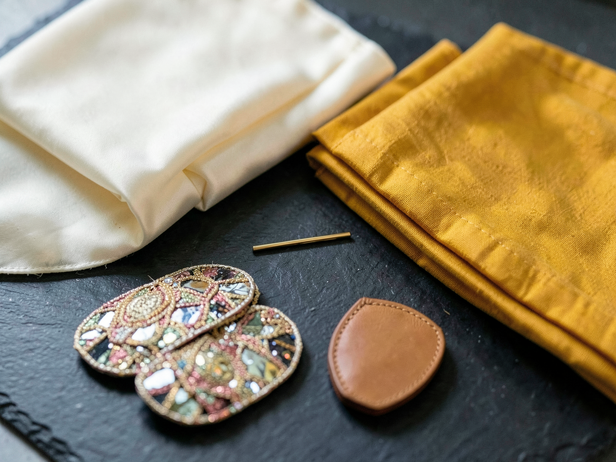
The sherwani itself, the silhouette, the fabric, the colour, registers in a photograph and in a first impression. Everything else registers in the room. A dupatta in ivory silk worn draped over one shoulder reads formal. The same dupatta in mustard cotton tied loosely at the waist reads festive and informal. Neither requires a new sherwani. The dupatta is doing the work.
Footwear operates the same way. A pair of dark Kolhapuri chappals in tan leather grounds an ivory or cream sherwani in a daytime outdoor wedding. Pointed mojris in mirror-work or zari take the same sherwani into an evening reception. The outfit has not changed. The occasion-reading has.
Buttons and brooches are the most underused lever. Most sherwanis come with plain metal or fabric-covered buttons. Replacing them, or pinning a single brooch at the collar or chest, changes the finish of the garment entirely. A Rajasthani silver brooch with a semi-precious stone reads heritage. A slim gold bar pin reads contemporary. Both are removable, both cost a fraction of a new garment, and neither will be in any photograph anyone took at the last wedding.
![Dupattas and Mojris]()
Dupattas and Mojris
Image credit : AI
I'm styling my Indian men wedding outfit repeat with these elegant dupattas and mojris.
Fabric and Colour Do the Heavy Lifting Across Seasons
A navy raw silk sherwani is among the most versatile pieces an Indian man can own because it reads differently under different light. In afternoon daylight it looks deep and muted. Under warm indoor lighting at an evening reception it pulls towards blue-black and reads almost formal enough to anchor a black-tie adjacent event. Ivory and off-white behave similarly, flat in fluorescent light, luminous under warm bulbs and candles.
Avoid sherwanis in highly saturated single colours, electric blue, bright red, neon green, if repetition is the plan. These read identifiably at a distance and across photographs. A sherwani in a more complex tone, slate, forest, burgundy, champagne, reads differently depending on what surrounds it.
The kurta worn underneath changes the weight of the look. A fine cotton kurta in white under a heavy brocade sherwani lightens the silhouette. A silk kurta in a tonal shade deepens it. Both are inexpensive relative to the sherwani and both survive multiple washes, which the sherwani often does not.
Grooming Shifts the Register More Than Most Men Expect
The same face in the same outfit reads differently depending on what is happening above the collar. A clean shave with a sharp haircut reads contemporary and urban. A shaped beard with a slightly longer, textured hairstyle reads more traditional and festive. Neither is better, they are different, and they change what the outfit signals.
Fragrance is invisible in photographs and completely present in the room. A heavy oud or amber for an evening reception, a lighter vetiver or sandalwood for a daytime function, this is a change no one can photograph and everyone notices. It is also the easiest swap of all.
The pagri or safa, where the family or function calls for one, is the single most transformative accessory available. A plain sherwani with a well-tied safa in a contrasting fabric reads entirely different from the same sherwani without one. If the wedding allows for it, this is where the most visual distance between appearances is created.
![Cedar, Muslin, and Brass]()
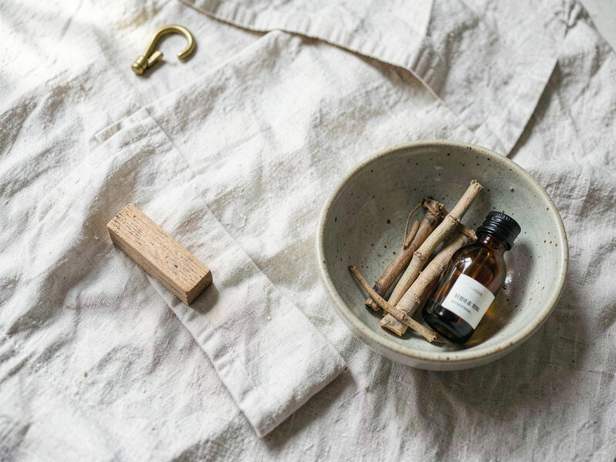
Cedar, Muslin, and Brass
Image credit : AI
Preparing for the wedding season. Styling my sherwani with care.
How to Rotate Across Five Weddings Without a Spreadsheet
Before the wedding season begins, lay out the sherwani and list the variables: dupatta options and colours, footwear, accessories at the collar and chest, kurta options underneath. Five combinations from those variables cover five weddings without repetition at the level anyone will actually notice.
The rule is simple: change at least three variables between appearances. One dupatta swap and one footwear swap is not enough, the core silhouette still reads the same. Three changes, say, dupatta, brooch, and footwear, shift enough of the visual information that the outfit registers as a different look even to someone who has seen it before.
Store the sherwani properly between events. A heavy brocade or silk sherwani that has been folded into a suitcase and left there will show every crease and carry every smell. A muslin cover, a cedar block, and a proper hanger are not luxury items. They are what keeps the garment looking considered rather than retrieved.
The underlying logic is that wedding dressing in India has always been about layering, fabric over fabric, accessory over accessory, occasion over occasion. The man who understands his sherwani as a foundation rather than a finished product is working with that tradition, not against it. The repetition was never the problem. The absence of intention was.