You hand over a necklace you have not worn in eight years and the jeweller quotes you a number that feels, without explanation, about thirty percent lower than the gold rate you checked on your phone that morning. Nothing illegal has happened. The gap between the market rate and what you take home is made up of three distinct deductions, each with its own logic, and only one of them is truly non-negotiable.
How Purity Is Tested and Why It Changes the Price
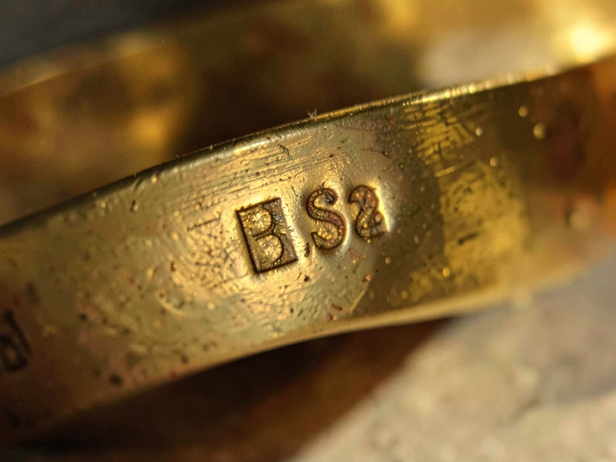
The gold rate you see on the MCX or in the morning paper is the rate for 24-karat, 999-fineness gold. Your jewellery is almost certainly not that. Indian jewellery runs most commonly at 22 karat, which is 91.6 percent pure gold, or 18 karat, which is 75 percent. A hallmarked piece carries a BIS stamp that tells you the karat. If yours is hallmarked, a reputable buyer will price it at that declared purity without further argument.
If it is not hallmarked, the buyer will test it. The two methods you will encounter are the touchstone acid test, which is quick and gives an approximate reading, and XRF spectrometry, which is non-destructive and more precise. Fire assay, the most accurate method, involves melting a small sample and is rarely used in retail buyback. The BIS hallmarking scheme, expanded under the government's mandatory hallmarking notification, now covers most jewellery sold through registered jewellers, so pieces bought in the last few years are likely stamped. Older pieces, inherited jewellery, and anything bought from an unregistered source are the ones most likely to go through a touchstone test. If you have any doubt about what you own, ask for the XRF test specifically. Some buyers charge a nominal fee for it; most will waive it if you are selling.
![BIS Hallmark on Gold Bangle]()
BIS Hallmark on Gold Bangle
Image credit : AI
Examining the BIS hallmark on this gold bangle, a crucial step for understanding gold purity testing hallmark.
The Making Charge Deduction: Where Most of the Loss Sits
Making charges are what you paid the craftsman when you bought the jewellery. They cover the labour, the design complexity, the wastage of gold during fabrication. When you sell, you do not get any of that back. The buyer is buying metal, not craft. This is the deduction that surprises people most, and it is the one least open to negotiation because it reflects a real economic fact: a buyer who melts your piece down to trade it as bullion or refabricate it will incur their own costs.
Making charges on Indian jewellery typically run between eight and twenty-five percent of the gold value at the time of purchase. Antique, handcrafted, or temple jewellery with intricate filigree work sits at the high end. Machine-made chains and plain bangles sit at the low end. You paid those charges once. You will not recover them on resale through a jeweller's buyback window. The only context in which making charges are partially preserved is a certified antique or heritage auction, where the craftsmanship itself is being sold, not just the metal.
The Buyback Rate and How Much Room There Is to Negotiate
Beyond purity adjustment and making charge loss, the buyer applies a buyback rate, which is a percentage of the day's gold rate that they are willing to pay. Most jewellers offer between eighty-eight and ninety-five percent of the prevailing 22-karat rate for hallmarked pieces in good condition. Banks that run gold loan or buyback counters, and RBI-regulated entities, tend to be more transparent about this rate and more consistent. Unorganised buyers at the street level may offer seventy-five to eighty percent and present it as a fixed rate when it is not.
The buyback rate is where negotiation has the most room. Get quotes from at least three buyers before committing. Bring the piece to a bank's gold purchase counter, a BIS-registered jeweller, and one of the organised gold recycling platforms that have expanded across Indian cities in recent years. The difference between the lowest and highest offer on the same hallmarked piece can easily be five to seven percent of the gold value. On a hundred grams of 22-karat gold, that gap runs into thousands of rupees.
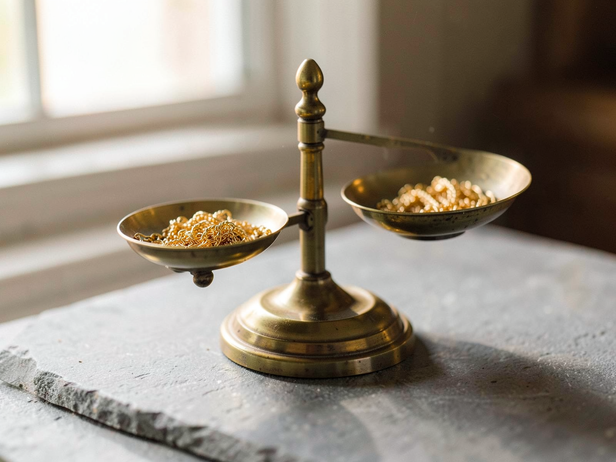
![Gold Chain on Scale]()
Gold Chain on Scale
Image credit : AI
Assessing the value of gold. Understanding the gold buyback rate in India is crucial for selling old gold.
Stones, Solder and Other Deductions
If your jewellery has embedded stones, the buyer will either remove them before weighing or deduct an estimated weight for them. Precious stones are rarely valued by a jewellery buyback counter; they are treated as a complication, not an asset. If you have a piece with significant diamonds or rubies, a dedicated gemstone buyer or an auction house will return more value on the stones than a gold buyback window will. The gold and the stones are worth more sold separately to the right buyer for each.
Solder, the alloy used to join sections of a piece, is also deducted. Its purity is lower than the declared karat of the jewellery, and buyers account for this, sometimes by a blanket deduction and sometimes by weight estimation. It is a small number on most pieces but worth asking about on heavily constructed jewellery like multi-strand necklaces with many joins.
What You Actually Take Home
Work through the arithmetic before you walk in. Take the day's 22-karat gold rate. Multiply it by the net weight of gold in your piece after stone and solder deductions. Apply the buyback percentage the buyer is offering. That is your number. The making charges are already gone; they were gone the day you bought the piece. The only variables you can influence are the accuracy of the purity assessment, which hallmarking resolves, and the buyback percentage, which shopping around improves.
GST does not apply to the seller in a gold buyback transaction; the tax liability sits with the buyer. If anyone deducts GST from your payout, ask for a written breakdown. Income tax is a separate matter: gains on gold held for more than three years are treated as long-term capital gains and taxed at twelve and a half percent without indexation benefit under current rules, though tax treatment can change and your chartered accountant is the right person to confirm what applies to your specific holding period and cost basis.
The number you take home will be lower than the number you paid. That is not a failure of the transaction. It is the structure of how jewellery is priced on the way in and the way out. Knowing the structure means you can identify when a buyer is taking more than the structure allows, and that is the only leverage you actually have.