The monsoon does not care about your plans. It arrives mid-commute, soaks through canvas tote bags, and turns a good silk kurta into a regret. But the season is also four months long, which means dressing badly through it is not an option, it is just a choice you keep making until you stop.
The Cotton Salwar Suit That Actually Dries
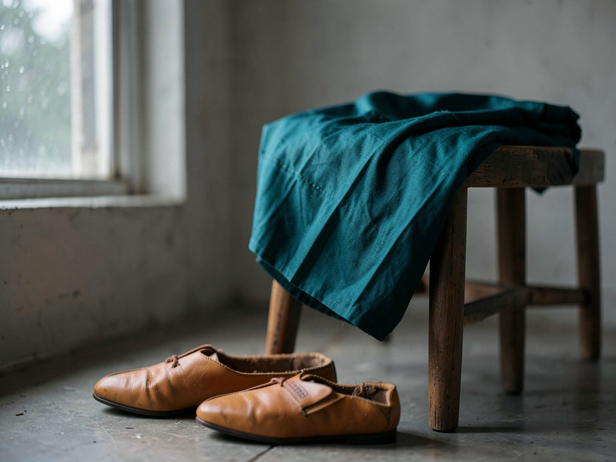
Chanderi cotton and kota dori are the two fabrics that earn their place in a monsoon wardrobe. Both are light enough to dry within an hour in open air, both have a slight crispness that holds structure even when damp, and neither clings the way georgette or rayon does once wet. A straight-cut salwar in either fabric, paired with a simple kurta without embroidery at the hem, is the most practical silhouette for the season. Embroidery at the hem means mud damage by the second week of July. Skip it. Colours that work hardest: deep teal, olive, slate blue, shades that do not show watermarks the way pale lavender or off-white will. Kolhapuris in tan leather are the one footwear exception that holds up: they dry without warping and look better with age and water than most alternatives.
![Teal Chanderi, Leather Kolhapuris]()
Teal Chanderi, Leather Kolhapuris
Image credit : AI
Embracing chic monsoon looks 2026 with this elegant Chanderi and Kolhapuri pairing. Perfect for the rainy season fashion.
The Wrap Dress in Viscose Jersey
Viscose jersey is not waterproof. That is not the point. The point is that it dries fast, does not go see-through when wet the way a thinner viscose does, and a wrap silhouette adjusts to the slight bloat that humidity brings by mid-afternoon. A midi-length wrap dress in a dark abstract print, deep burgundy, forest green, navy with a small geometric, reads as put-together in an office and does not announce itself as rain-wear. The wrap tie sits at the waist, not the hip: a hip tie loosens faster when you are moving quickly. Flat rubber-soled mules or block-heeled sandals with a closed toe strap keep the outfit grounded without the ankle-strap problem, which is that wet ankle straps stretch and slide by the second hour.
The Wide-Leg Trouser and Linen Shirt
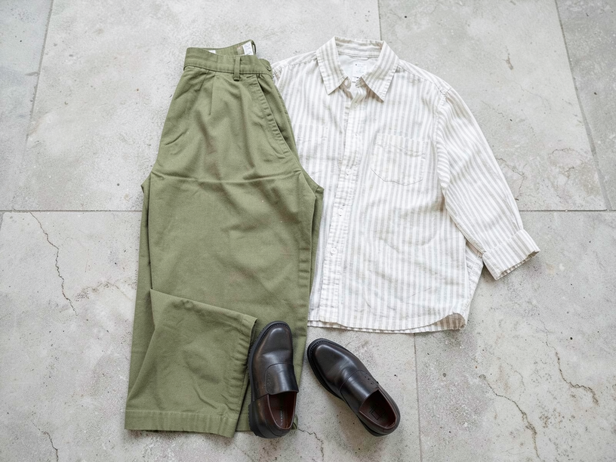
The logic here is counterintuitive: wide-leg trousers in a mid-weight cotton or linen blend stay drier in rain than slim trousers do, because they do not press against the leg and wick water upward. Cropped to just above the ankle, not full-length, not capri, they clear puddles without looking like you planned around them. Pair with a linen shirt in a solid or a fine stripe, tucked loosely. Linen wrinkles, but monsoon linen wrinkles are different from summer linen wrinkles: the humidity sets them into something that reads as texture rather than neglect. The footwear is a rubber-soled loafer in dark leather or a synthetic that mimics it. Not canvas. Canvas takes three days to dry and smells like it.
![Olive & Stripe Monsoon Style]()
Olive & Stripe Monsoon Style
Image credit : AI
My chic monsoon looks 2026 include this breathable cotton and linen ensemble. Ideal for staying stylish in the rain.
The Kurta and Dhoti Pants Combination
Dhoti pants cut in cotton voile are the most underused monsoon silhouette in a city wardrobe. The draped front panel means there is no tight seam at the inner thigh, the place where wet fabric is most uncomfortable. Paired with a short A-line kurta in the same fabric or a tonal contrast, the outfit moves well and dries in two hours flat. The silhouette reads as considered rather than casual, which matters for the kind of day that starts with a meeting and ends in the rain. One detail that separates a good dhoti pant from a bad one: the waistband. An elasticated back with a flat front sits cleanly. A fully elasticated waistband bunches under a tucked kurta. Check before buying.
The Trench Coat Worn as an Outfit
A cotton-polyester trench coat, not a plastic mac, not a nylon windbreaker, is the piece that makes every other outfit in this list more functional. The key is wearing it as a layer with intention rather than as an afterthought grabbed at the door. A camel or dark olive trench over straight dark jeans and a plain cotton tee is a complete outfit, not a dressed-up emergency. The trench length matters: mid-thigh is the most versatile, long enough to cover the outfit underneath from a sideways downpour, short enough that it does not drag on a wet auto footboard. Belt it. An unbelted trench in the wind becomes a sail. The collar turned up is not an affectation, it keeps the back of the neck dry, which is the first place a cold commute starts.
The five outfits share one underlying logic: they work with what the monsoon does rather than against it. Fast-drying fabrics, cuts that do not cling, colours that hide watermarks, footwear that survives a puddle. None of it requires a wardrobe overhaul. It requires knowing which pieces are actually built for the season and buying fewer of the ones that are not.