The morning after the last arghya, when the crowds thin and the ghats empty, a particular kind of tiredness settles into the soles. Not the tiredness of walking, something deeper, waterlogged. Four days of bare feet on wet stone, hours of standing in moving river water, skin exposed to wind and early-winter sun: the body registers all of it, and it shows.
What River Water Does to the Skin Barrier
Skin holds its integrity through a thin lipid layer, ceramides, fatty acids, cholesterol, that sits at the surface and keeps water in while keeping irritants out. Prolonged immersion breaks this down. The process is called maceration: the outer layer of the stratum corneum absorbs water, swells, softens, and loses its structural integrity. You can see it on the fingertips after a long bath. After hours in a river across multiple days, it happens to the feet, the shins, the hands, and any patch of skin that stays wet and then dries repeatedly in the wind.River water is not neutral. It carries dissolved minerals, sediment, and microbial load that vary by location and season. The skin that has been macerated is more permeable than usual, which means it absorbs more of what the water carries. The roughness that appears on the shins and the backs of the hands in the days after is partly the barrier rebuilding itself unevenly, and partly mild contact irritation from repeated exposure.The fix is not complicated, but it requires patience. A thick emollient, shea butter, coconut oil, or any cream with ceramides in the ingredient list, applied to damp skin within a few minutes of bathing helps the barrier reassemble. The window matters: dry skin absorbs far less than skin that still holds some surface moisture.
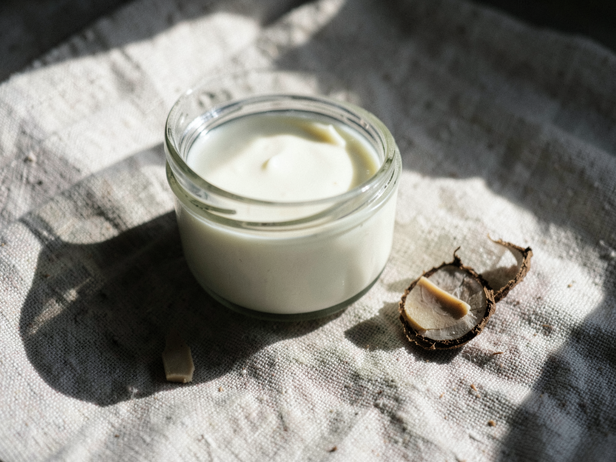
![Natural Skin Care Essentials]()
Natural Skin Care Essentials
Image credit : AI
My ritual for skin barrier repair winter, using natural ingredients for gentle care.
The Soles: Stone, Wet Concrete, and What Happens Underneath
Barefoot on a ghat is a different surface from barefoot on earth. Stone and wet concrete are hard, cold, and abrasive. The plantar skin, already the thickest on the body, with a stratum corneum that can be many times deeper than skin elsewhere, responds to prolonged cold-water immersion by losing its grip on the layers beneath it. What feels like softness in the moment becomes cracking and fissuring once the skin dries and contracts.The heels are most vulnerable. The skin there has no sebaceous glands, so it produces no oil of its own. Cold water strips what little surface lipid exists. When the heel skin dries rapidly, as it does in winter air, it contracts faster than the deeper layers can follow, and the surface splits.A pumice stone used on dry cracked skin makes things worse, not better. Softening first is the correct sequence: soak the feet in warm water for ten minutes, then use the pumice lightly on the thickened areas, then apply a urea-based cream or a thick petroleum-based balm and cover with cotton socks overnight. Urea is a keratolytic, it loosens the bonds between dead skin cells and allows the thickened layer to shed without mechanical force. Most pharmacy-grade heel creams in India carry it at concentrations between ten and twenty-five percent.
Hair After Wind, Water and Open Sky
Hair exposed to river water, wind, and repeated wetting and drying over four days comes out of the experience with a specific texture: rough to the touch, prone to tangling, with a dullness that does not wash out immediately. The cuticle, the outermost layer of each strand, made of overlapping scales, lifts when hair is wet and stays partially lifted when it dries without conditioning. Wind accelerates this by physically abrading the lifted scales against each other.River water, depending on its mineral content, can also leave deposits on the hair shaft. Hard water, high in calcium and magnesium, is common across much of the Gangetic plain. These minerals bind to the hair protein and create a film that blocks moisture and makes the hair feel stiff.A clarifying wash, a shampoo with a slightly lower pH that dissolves mineral deposits, used once after returning home addresses the mineral buildup. Follow it with a deep conditioning treatment left on for at least twenty minutes: the cuticle needs time to absorb the conditioning agents and lie flat again. Oils applied to damp hair before drying, rather than to dry hair after, penetrate better; the hair shaft is more receptive when the cuticle is still slightly open from washing.
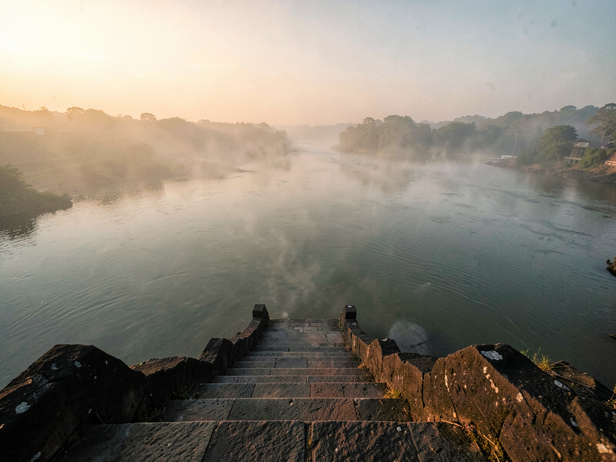
![Dawn at the River Ghat]()
Dawn at the River Ghat
Image credit : AI
The morning mist rises from the river, touching the ancient ghat steps. My skin feels the lingering effects of river water, a reminder of the day's rituals.
The Skin on the Face: Sun, Wind, and the Cold That Comes After
Early winter mornings at the ghat carry a particular quality of light, low, angled, reflective off water. UV exposure at this angle, reflected off a moving water surface, reaches parts of the face that overhead sun does not: under the chin, the sides of the nose, the lower eyelids. The skin registers this even when the air feels cold enough to make sun protection seem unnecessary.Wind at the waterfront pulls moisture from the skin continuously. The face, which has a thinner stratum corneum than the body, loses water faster in wind than in still air, a process called transepidermal water loss that accelerates when the air is cold and dry. The tightness and flakiness that appear on the cheeks and forehead in the days after the ghat are this process made visible.A fragrance-free, non-foaming cleanser for the days immediately after, rather than the usual face wash, avoids stripping a barrier that is already depleted. A niacinamide serum helps rebuild the barrier from the inside out; niacinamide stimulates ceramide synthesis in the skin. A physical sunscreen, rather than a chemical one, causes less irritation on compromised skin.
Coming Back: What the Skin Needs in the Week After
The body does most of the repair work on its own, given the right conditions. The barrier rebuilds. The cuticle settles. The heel skin sheds and regenerates. What slows this process is anything that disrupts it further: hot showers, harsh soaps, fragranced products, and mechanical exfoliation on skin that is already irritated.The week after the ghat is a week for reduction, not addition. Fewer products, gentler ones, applied with more attention to timing, damp skin, not dry. Hydration from the inside matters here in a way it does not when the barrier is intact: the skin's ability to hold water depends partly on how hydrated the body is overall.The cracked heels, the rough shins, the dull hair, none of it is damage in the clinical sense. It is the body's surface registering four days of something that asked a great deal of it. The skin remembers the river. It just needs a little longer to let it go.