Most Indian skin spends the better part of the year fighting humidity, not drought. A lightweight gel or fluid moisturiser handles that work without sitting heavy on the face. Then November arrives, and the math changes.
Post-Diwali, as the northeast monsoon retreats from the peninsula and the western disturbances begin pushing cold, dry air across the north, relative humidity in cities like Delhi, Jaipur, Lucknow, and Pune drops sharply, often falling below 40 percent by late November. At that level, the air pulls moisture out of the top layers of skin faster than a gel can replenish it. The result shows up not as flaking or tightness immediately, but as a dull, slightly rough texture that concealer sits unevenly on and that no amount of water intake corrects.
Why the humidity number matters more than the temperature
Skin loses water through a process called transepidermal water loss, or TEWL. A gel moisturiser, typically water-based, with humectants like hyaluronic acid or glycerin, pulls moisture toward the surface of the skin. That works well when the surrounding air has enough humidity to prevent the humectants from drawing water up and then losing it straight into the atmosphere. When ambient humidity drops below roughly 40 percent, humectants can accelerate TEWL rather than slow it, pulling water from the deeper dermis toward a surface that is drier than the air. A cream moisturiser adds an occlusive layer, shea butter, squalane, ceramides, or a heavier emollient base, that slows that loss at the surface. It is not about richness for its own sake. It is about sealing the work the humectant already did.
![Morning Skincare Ritual]()
Morning Skincare Ritual
Image credit : AI
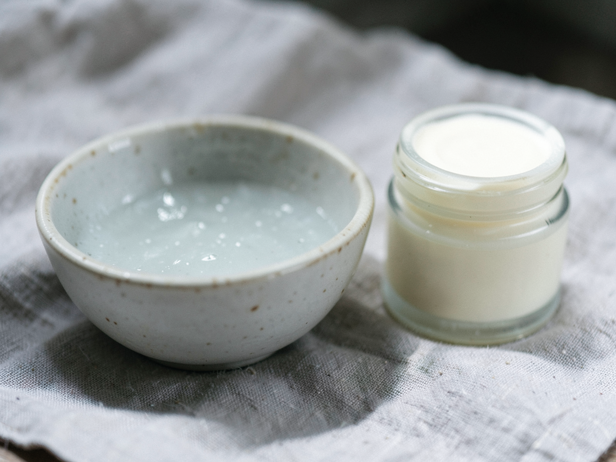
Transitioning my skincare for dry skin in November India. This gel to cream moisturiser switch feels perfect.
How to tell your skin is asking for the switch
The signals are specific and easy to miss if you are looking for dramatic dryness. The first is concealer or foundation settling into fine lines around the nose and under the eyes within two hours of application, when it did not do that a month ago. The second is a faint tightness that appears thirty to forty minutes after washing your face, even though you moisturised immediately after patting dry. The third is that your skin feels adequately moisturised in the morning but looks dull and slightly papery by mid-afternoon without any additional sun exposure. None of these is a skin condition. All of them are the surface telling you the barrier needs more support than a gel can give.
What to look for in a heavier moisturiser for Indian skin
Indian skin in November is not the same as European skin in January. The switch does not need to be dramatic. A cream with ceramides and squalane as the primary emollients, rather than petrolatum or heavy mineral oil, gives the occlusive layer without the congested-pore risk that comes with very dense formulations on skin accustomed to humidity. Niacinamide in the same product pulls double duty: it supports the skin barrier and keeps the texture even, which matters because the dullness of November skin is partly barrier-related, not just hydration-related. If your skin is oily at the T-zone through most of the year, a gel-cream hybrid, one that has a water-gel texture but contains a small percentage of emollient, may be enough. A full cream is for skin that is combination-to-dry or that has been visibly reactive to the dry air already.
![Ceramide Skincare Essentials]()
Ceramide Skincare Essentials
Image credit : AI
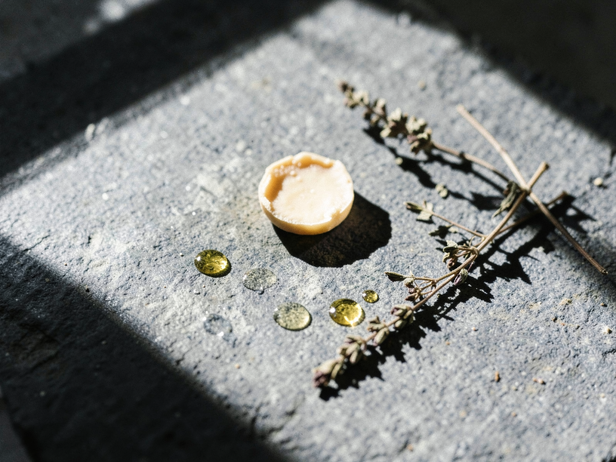
Preparing a richer moisturiser for dry skin in November India. Essential ingredients for deep hydration.
The application detail that changes the result
The order of application matters more in low humidity than in high. Apply your humectant serum or toner to skin that is still slightly damp, not wet, but not fully dry, then follow with the cream within sixty seconds. That window is when the humectant has drawn water to the surface and the cream can lock it there before the dry air intervenes. Applying a cream to already-dry skin after a gap of several minutes means the humectant has already begun losing what it drew up. In November, that sixty-second window is the difference between a moisturiser that works and one that feels like it does nothing.