A Nirjala fast asks the body to go without water for anywhere between twelve and twenty-four hours. For a healthy adult, that is a significant but manageable stress. For someone whose kidneys, heart, or blood sugar regulation are already under strain, the same fast can tip a stable condition into a medical emergency. None of what follows is a reason to dismiss the practice. It is a reason to check before you commit.
Type 1 Diabetes and Insulin-Dependent Type 2 Diabetes
Complete fluid restriction disrupts blood glucose in two directions at once. Without water, blood becomes more concentrated, which pushes glucose levels up. Without food, the body draws on stored glycogen and then fat, producing ketones. In someone who injects insulin or takes sulfonylureas, the insulin continues acting regardless of what the person has eaten or drunk. The result can be hypoglycaemia severe enough to cause loss of consciousness, or diabetic ketoacidosis requiring hospital admission. The Indian Council of Medical Research guidelines on diabetes management are explicit that prolonged fasting in insulin-dependent patients requires medical supervision and, in many cases, adjusted medication timing. A Nirjala fast removes the adjustment option entirely.
![Diabetic Care Essentials]()
Diabetic Care Essentials
Image credit : AI
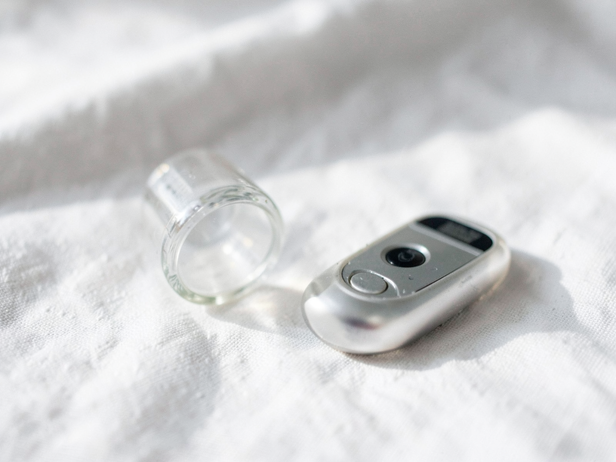
My insulin vial and glucose monitor, essential tools for managing health, especially during fasting periods like Nirjala fast.
Chronic Kidney Disease at Stage 3 or Above
The kidney's job during any fast is to concentrate urine and conserve water. A healthy kidney does this efficiently. A kidney already working at reduced capacity, as in chronic kidney disease stage 3 or above, concentrates urine poorly and loses the ability to clear metabolic waste when fluid intake drops to zero. Urea and creatinine accumulate faster. The risk is not theoretical: nephrologists at AIIMS New Delhi have documented acute-on-chronic kidney injury in patients with pre-existing renal impairment following prolonged religious fasts. People on dialysis face an additional layer of risk because their fluid balance is managed on a fixed schedule that a full-day fast disrupts directly.
Hypotension and Postural Hypotension
Blood pressure depends partly on circulating blood volume. Fluid restriction reduces that volume. In someone whose resting blood pressure is already low, or who experiences postural hypotension, the drop in pressure on standing, even moderate dehydration can cause fainting, falls, and, in older adults, head injury. The risk compounds in summer heat or in environments where the fast is observed with physical activity such as temple visits or long prayer sessions. This is not a condition that announces itself loudly; many people with postural hypotension have never been formally diagnosed and discover it only when they stand up too quickly after a long fast.
![Brass Pot, Late Afternoon Light]()
Brass Pot, Late Afternoon Light
Image credit : AI
A brass pot rests on stone, with a few drops of water. Understanding fasting safety for diabetics India is crucial.
Pregnancy and Active Breastfeeding
Pregnancy increases the body's baseline fluid requirement. Amniotic fluid is maintained partly through maternal hydration, and even a single day of complete fluid restriction has been associated in obstetric literature with reduced amniotic fluid index in the third trimester. Breastfeeding draws roughly 700 to 900 millilitres of fluid from the mother's body each day through milk production; a Nirjala fast on top of that load risks both maternal dehydration and a temporary reduction in milk supply. Whether to observe a fast during pregnancy or while nursing is a conversation for an obstetrician or midwife, not a general rule. Some women do observe modified fasts with medical guidance; complete fluid restriction without that guidance is a different matter.
A History of Kidney Stones
Kidney stones form when urine becomes concentrated enough for minerals, most commonly calcium oxalate, to crystallise. Hydration is the single most consistently supported intervention for preventing recurrence, across guidelines from the European Association of Urology and the Urology Society of India alike. A Nirjala fast creates exactly the conditions that stone formation requires: zero fluid intake, concentrated urine, and in many cases the physical exertion of a full day of religious activity that increases fluid loss through sweat. Someone who has passed a stone once has a roughly fifty percent chance of recurrence within ten years under normal conditions. A day of complete fluid restriction is not the place to test that probability.
The five conditions above are not the only ones that warrant caution, active urinary tract infections, severe anaemia, and certain cardiac conditions with fluid-sensitive management all deserve the same conversation with a doctor. What they share is that the risk is not about the fast being spiritually wrong or physically extreme in the abstract. It is about a specific mismatch between what the fast demands and what a particular body can safely deliver on that day.