Blood pressure is not a fixed number. It shifts with the hour, the meal, the stress in the room, and, as cardiologists consistently observe, the season. In North India, the drop from October into November and December is steep enough that readings taken in mild weather can look meaningfully different from those taken in a Delhi or Lucknow winter. Before you adjust medication or dismiss a high reading as a fluke, it helps to know exactly what is driving the change.
Cold Air Causes Blood Vessels to Narrow
When ambient temperature drops, the body responds by constricting peripheral blood vessels to conserve core heat. This vasoconstriction raises vascular resistance, and the heart has to push harder to move blood through narrower channels. The result is a measurable rise in systolic and diastolic pressure. The effect is most pronounced in the first weeks of cold exposure, before the body partially adapts. A person whose October reading sat at 125/82 may find 138/90 on a January morning without any change in diet or medication.
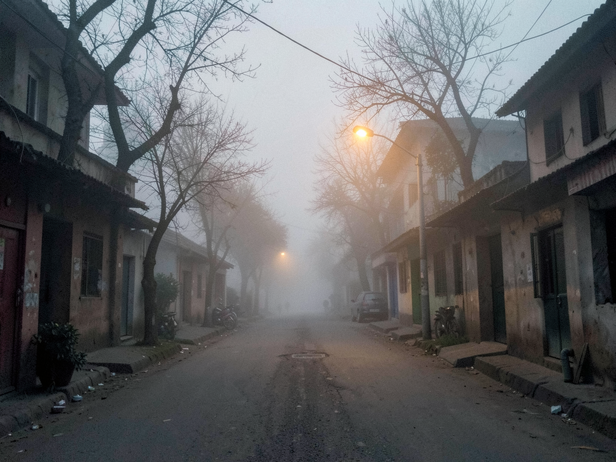
![Misty North Indian Dawn Street]()
Misty North Indian Dawn Street
Image credit : AI
The cold morning air hangs heavy, a reminder of how seasonal blood pressure changes can affect us in North India.
Morning Readings Spike Earlier in Winter
Blood pressure follows a daily pattern: it rises sharply in the first hour after waking, peaks mid-morning, and eases through the afternoon. In winter, this morning surge is amplified. The body is already managing cold-driven vasoconstriction overnight, so the surge that begins at waking starts from a higher baseline. If you take your home reading at 7 a.m. in October and again at 7 a.m. in December, the December number will almost always be higher, even if nothing else has changed. Cardiologists advise noting the time and room temperature alongside every home reading for this reason.
Heavier Seasonal Meals Add a Sodium Load
North Indian winter eating shifts toward richer, saltier food. Makki di roti with generous white butter, pinni, gajar ka halwa, deep-fried snacks at every family gathering from Diwali through Lohri. Sodium drives fluid retention, which increases blood volume, which raises pressure. The effect is not dramatic after a single meal, but cumulative over weeks of heavier eating it is measurable. The ICMR has flagged dietary sodium as a primary modifiable driver of hypertension in Indian adults, and seasonal dietary shifts are a real contributor to the winter pressure rise seen in clinical practice.
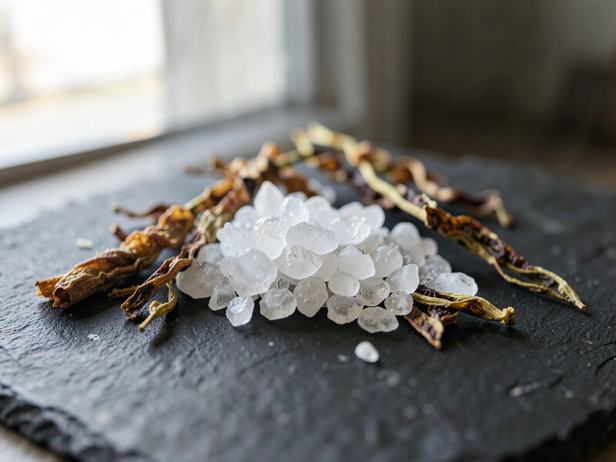
![Winter Harvest Still Life]()
Winter Harvest Still Life
Image credit : AI
My still life captures the essence of winter, with rock salt and dried vegetables. This scene reminds me of seasonal blood pressure changes.
Physical Activity Drops When It Is Cold
Morning walks, cycling, and outdoor exercise become harder to sustain when temperatures in Chandigarh or Agra fall below 8°C before dawn. Even a modest reduction in aerobic activity over four to six weeks is enough to push resting blood pressure upward. Regular aerobic exercise keeps vessel walls more elastic and helps the heart work at lower effort. When that stimulus disappears with the cold, the cardiovascular system loses some of that conditioning. This is one reason physicians in North India see more hypertension-related visits in January and February than in September.
Layered Clothing Changes Cuff Readings
This is a technical problem that produces misleading numbers. A blood pressure cuff placed over a thick sweater, a shawl, or even a folded kurta sleeve gives a falsely elevated reading. The fabric compresses unevenly, the cuff cannot detect arterial pulsation accurately, and the result can be 10 to 15 mmHg higher than the true value. The correct technique is the same in every season: bare arm, cuff at heart level, two minutes of sitting quietly first. In winter, patients often skip the bare-arm step because undressing is uncomfortable. The reading suffers for it.
![Winter Still Life]()
Winter Still Life
Image credit : AI
I see the subtle grain and cool tones of winter's touch on everyday objects, a quiet moment of seasonal change.
Dehydration Is Less Obvious but Still Happens
In summer, thirst is a reliable signal. In winter, the sensation of thirst diminishes even as the body continues to lose fluid through respiration into cold, dry air. Mild dehydration reduces blood volume, which can cause a compensatory rise in heart rate and pressure as the cardiovascular system tries to maintain perfusion. Heaters and room fires dry indoor air further. The result is that many people in North Indian cities are quietly under-hydrated through December and January without feeling thirsty, and their blood pressure readings reflect it.
Stress and Disrupted Sleep Compound the Effect
Winter in North India carries its own social weight: end-of-year work pressure, family gatherings that run late, weddings, and the disruption of fog-delayed travel. Psychological stress activates the same sympathetic pathways that cold does, releasing adrenaline and cortisol, both of which raise blood pressure acutely. Poor or shortened sleep adds a separate effect: sleep deprivation impairs the nocturnal dip in blood pressure that healthy cardiovascular function depends on. When cold, stress, and disrupted sleep arrive together, their effects on pressure are additive, not isolated.
![Morning Still Life Study]()
Morning Still Life Study
Image credit : AI
A quiet morning scene, hinting at the need for medication. My blood pressure spike in winter is a concern.
Medication Timing and Absorption Can Shift
Some antihypertensive medications, particularly calcium channel blockers and beta-blockers, have absorption patterns that are mildly sensitive to food timing and body temperature. More practically, patients on once-daily medication sometimes shift their waking time in winter, taking their pill an hour or two later than usual because they stay in bed longer in the cold. A consistent gap between doses matters more than the clock time, but irregular timing can create windows of under-coverage that show up as elevated afternoon or evening readings. Anyone managing hypertension with medication should bring their winter reading log to their next appointment rather than waiting for an annual check.
Taken together, these eight factors explain why a blood pressure reading from October is not a reliable reference point for December. The numbers are measuring the same cardiovascular system under substantially different conditions. A rise of 8 to 12 mmHg between seasons is common enough that the Indian guidelines for hypertension management acknowledge seasonal variation as a clinical consideration. That does not mean a high winter reading should be ignored. It means it deserves context, a conversation with a doctor, and a home log that includes the date, the time, the room conditions, and whether the cuff was on bare skin.