
The Air Here Can Kill, Welcome to the World’s Most Polluted Place
Anshika Saxena | Feb 17, 2026, 24:29 IST

Pollution
Image credit : Freepik
You’ve probably seen headlines screaming “world’s most polluted place.” They’re usually talking about spots with super dirty air, thanks to tiny particles called PM2.5. Factories, cars, tons of people, and even weather play a big role. The top spot changes, but the damage to health and life? That sticks around.
Highlights
- It’s all about air quality numbers.
- PM2.5 is nasty stuff for your body.
- Factories and traffic cause most of it.Rankings shift year to year.
- Kids and seniors get hit hardest over time.
What Does “Most Polluted” Even Mean?
Pollution
Image credit : Freepik
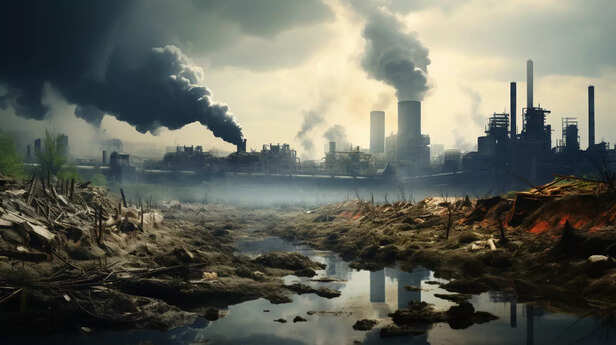
It’s not like one place wins a forever trophy for being the worst, air quality rankings aren’t set in stone. Reports from groups like IQ Air track PM2.5 levels (fine particulate matter) over months or a year, comparing how often cities exceed safe limits set by the World Health Organization (WHO), like 5 micrograms per cubic meter annually. For instance, a city might top the list if its average PM2.5 hits 100+ μg/m³ for weeks on end. It’s just a snapshot of the moment, not a permanent label, but it highlights urgent problems.
How Do They Measure This Stuff?

Micrometre
Image credit : Freepik
They zero in on PM2.5, those tiny invisible particles smaller than 2.5 micrometers, about 30 times thinner than a human hair. These sneaks deep into your lungs, enter your bloodstream, and spark inflammation, heart issues, and worse. Monitors at ground stations suck in air 24/7, lasers count the particles, and data feeds into global trackers. Safe levels? WHO says under 5 μg/m³ yearly, but hotspots like India’s Begusarai routinely blast past 100 μg/m³, turning clear skies hazy.
Which Spots Keep Popping Up on Top?
World
Image credit : Freepik
Industrial powerhouses, dusty mining hubs, and overcrowded megacities dominate. South and Central Asia steal the show: think Begusarai and Guwahati in India, Lahore in Pakistan, or Hotan in China. In 2024, 10 of the world’s 20 most polluted cities were Indian, per IQ Air. Pakistan’s Lahore often battles choking smog from brick kilns, while places like Chad’s mining towns in Africa or Mongolia’s Ulaanbaatar (trapped by mountains) crash the list too. Cars clog streets, factories churn nonstop, and construction dust flies everywhere.
Why Does It Get So Bad in Some Places?
Pollution
Image credit : Freepik
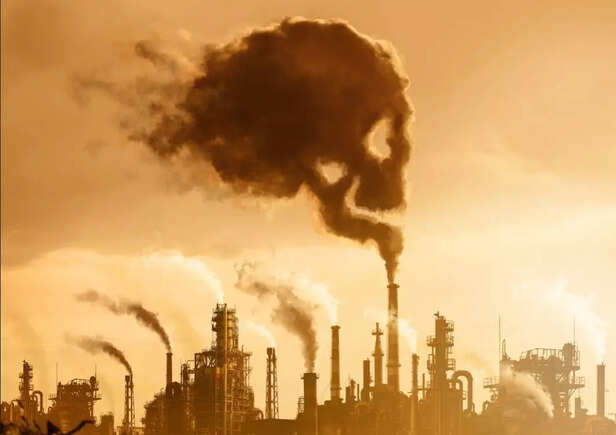
It’s a perfect storm of human habits and nature’s tricks. Exhaust from millions of vehicles in Delhi or Lahore pumps out nitrogen oxides and black carbon. Factories in Kanpur, India, spew chemicals and ash; construction in booming Dhaka, Bangladesh, kicks up endless dust. Add people burning crop stubble in Punjab fields, trash fires in Manila slums, or coal for cooking in rural China, boom, pollution spikes. No wind or rain? Mountains around Kathmandu trap it like a lid on a pot, letting toxins build for days.
How Does It Mess Up Daily Life?
Why Does the #1 Spot Change?
City
Image credit : Freepik
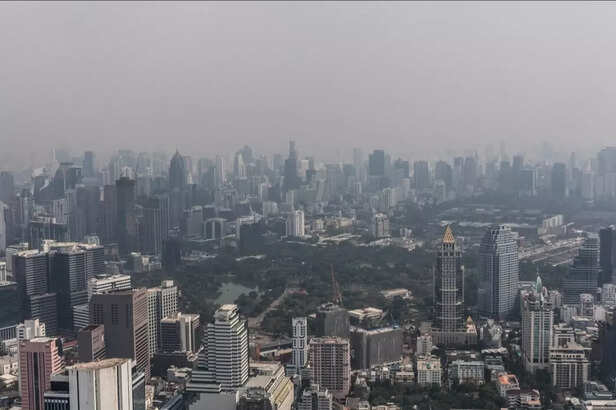
It’s dynamic: a lucky monsoon rinses Lahore clean one year, while new factories push Guwahati higher. Stricter rules, like India’s stubble-burning bans or China’s coal plant shutdowns, cut emissions fast. Public outcry sparks change; Begusarai dropped spots after local cleanups. Economic booms reverse it though, rapid growth in Vietnam’s Hanoi means more cars and worse air. Weather flips the script overnight.The Bigger PictureThis isn’t about shaming Begusarai or Lahore, it’s a global wake-up on runaway urbanization without green planning. Billions breathe toxic air yearly, hiking cancer and diabetes risks. Clean air fuels healthier kids, sharper workers, and thriving economies.
Conclusion
“Most polluted place” isn’t clickbait; it’s a flashing red flag. Spots like Hotan or Delhi swap rankings, but filthy air silently harms millions. Understanding the why, cars, factories, trapped smog, drives fixes like electric buses, solar power, and tree-lined cities. Clean air isn’t a luxury; it’s essential for our health, happiness, and a livable tomorrow.
Frequently asked questions
- What is the world's most polluted city?
Delhi, India, topped the 2024 World Air Quality Report with PM2.5 levels over 190 µg/m³, nearly 40 times WHO guidelines; real-time leaders like Saharsa vary daily. - What causes the highest pollution levels?
Vehicle emissions, industrial activities, crop burning, and dust storms drive it; e.g., Delhi's winter smog from stubble burning and traffic spikes AQI to hazardous levels. - What are the health impacts?
Pollution causes respiratory diseases, heart issues, and cuts life expectancy by 5+ years in worst areas; PM2.5 particles enter lungs and bloodstream. - How can pollution be reduced there?
Stricter emission controls, renewable energy shifts, better waste management, and public transit help; India's National Clean Air Programme targets 40% PM reduction by 2026.