A single night of heavy drinking is recoverable. Several consecutive weekends of it, spread across a wedding season that runs from one shagun ceremony to the next, is a different physiological event. The effects on sleep, blood fats, and cardiac rhythm are cumulative, and they do not reset between parties.
Sleep Architecture Breaks Down Before You Notice
Alcohol is a sedative, which is why it feels like a sleep aid. It is not. Ethanol suppresses REM sleep in the first half of the night, then causes a rebound effect in the second half as blood alcohol levels fall. The brain compensates with more REM than usual, producing vivid dreams, fragmented sleep, and early waking. After several weeks of this pattern, the disruption to slow-wave sleep, the stage responsible for physical repair and immune consolidation, becomes measurable even on nights when you drink nothing. The brain has recalibrated its baseline. Sleep quality does not simply return when the wedding calendar clears.
![Dawn's Soft Pillow Shadow]()
Dawn's Soft Pillow Shadow
Image credit : AI
I observe the subtle grain and true-to-life texture of this pillow, a quiet moment before the day begins. Holiday heart syndrome is a concern.
Triglycerides Rise Faster Than Most People Expect
The liver processes ethanol before it processes fat. When alcohol is present, dietary fat and the carbohydrates from mixers, biryani, and mithai queue behind it. The liver converts the excess into triglycerides and releases them into the bloodstream. A single heavy night can push triglyceride levels noticeably above a person's normal range. Across several weeks, the ICMR has documented that sustained alcohol intake is among the more reliable dietary drivers of hypertriglyceridaemia in Indian adults, a population already carrying elevated baseline risk from high-carbohydrate dietary patterns. Triglycerides above 200 mg/dL are associated with increased cardiovascular risk; above 500 mg/dL, pancreatitis becomes a concern. A fasting lipid panel taken two to three weeks after the season ends will tell you more than any symptom will.
The Heart's Electrical System Is Not a Bystander
Holiday heart syndrome is a documented clinical phenomenon: episodes of atrial fibrillation or other arrhythmias triggered by acute heavy alcohol consumption, often in people with no prior cardiac history. The mechanism involves ethanol's direct effect on cardiac ion channels, along with the electrolyte disruption, particularly magnesium and potassium depletion, that heavy drinking produces. During a wedding season, the exposure is not a single episode but a repeating one. Each episode of atrial fibrillation, even if brief and self-terminating, leaves the atria slightly more electrically irritable than before. Palpitations felt during or after a heavy night are worth describing to a doctor rather than attributing to excitement or fatigue.
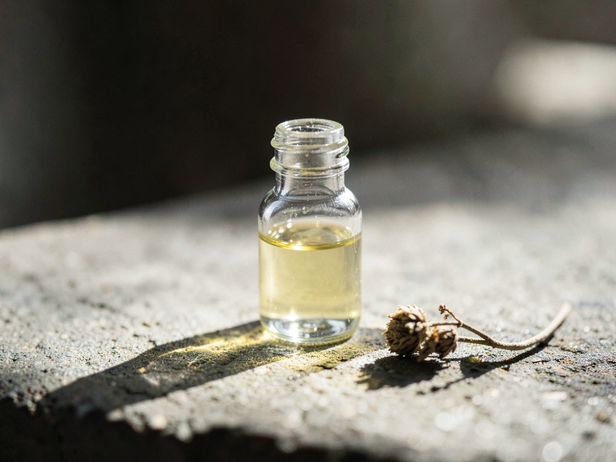
![Golden Vial and Herb]()
Golden Vial and Herb
Image credit : AI
A moment of quiet contemplation, perhaps before the effects of holiday heart syndrome set in. The vial holds a pale golden liquid.
Dehydration Compounds Every Effect
Alcohol is an antidiuretic hormone suppressor, meaning it tells the kidneys to excrete water they would otherwise retain. The dehydration this produces is not just a headache mechanism. Concentrated blood is more viscous, which the heart works harder to move. Electrolyte losses, sodium, potassium, magnesium, affect both cardiac muscle function and the quality of deep sleep. In the heat of an Indian wedding mandap or a banquet hall in November, the baseline fluid loss is already higher than it would be in a cooler climate. Alcohol on top of that is a compounding factor, not an additive one.
The Liver's Processing Capacity Has a Weekly Ceiling
The liver metabolises roughly one standard drink per hour. That ceiling does not expand with practice, despite what tolerance suggests. What tolerance actually reflects is the brain and nervous system adapting to expect ethanol, not the liver becoming more efficient. When alcohol arrives faster than the liver can clear it, acetaldehyde, the toxic intermediate metabolite, accumulates. Acetaldehyde damages liver cells, interferes with fat metabolism, and drives the inflammatory response that produces the feeling of being unwell the morning after. Across a season of consecutive weekends, the liver does not have enough recovery time between exposures to clear the accumulated stress. Liver enzymes, ALT and AST, are worth checking if the season has been particularly sustained.
The Recovery Window Is Longer Than the Season
Triglyceride levels typically begin falling within two to four weeks of stopping heavy drinking, assuming diet is also corrected. Sleep architecture takes longer, several weeks of alcohol-free nights before the slow-wave and REM balance normalises for most people. Cardiac irritability from repeated atrial fibrillation episodes is harder to predict; it depends on whether structural changes have begun. The point is not that the damage is permanent but that the recovery is not passive. It requires time, corrected sleep hygiene, and in some cases a conversation with a doctor about what the numbers actually show. The wedding season ends on a fixed date. The physiology does not.