The nirjala fast observed during Chhath Puja is among the most physically demanding fasts in common practice, no water, no food, sometimes stretching beyond 36 hours. When it ends, the first thing most devotees eat is thekua: a deep-fried wheat flour biscuit sweetened with jaggery and often soaked in or accompanied by pure ghee. The combination is dense, fatty, and high in simple and complex carbohydrates at once. For a stomach that has produced no digestive acid, no bile, and very little insulin response in over a day, this is not a gentle re-entry.
What a prolonged fast does to digestion
Gastric acid secretion drops significantly during extended fasting. The stomach lining, no longer stimulated by food, reduces its output of hydrochloric acid and pepsin. Bile, which the gallbladder stores and releases in response to fat entering the small intestine, accumulates in a concentrated pool. Insulin, the hormone that manages blood glucose, has been at a low baseline for hours. The gut motility, the rhythmic muscular contractions that move food along, slows down. The body has, in effect, set digestion to standby mode.
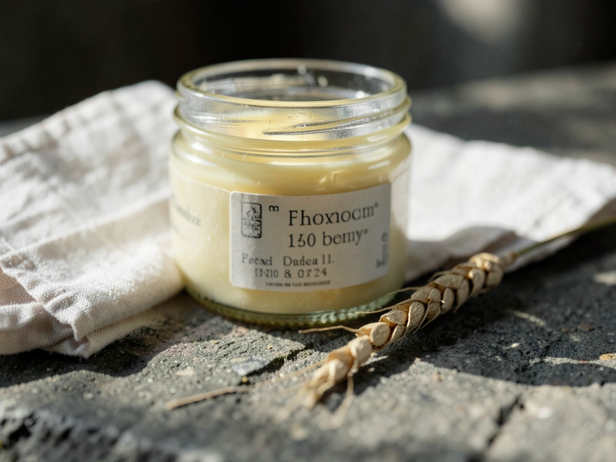
![Ghee, Linen, Wheat Stalk]()
Ghee, Linen, Wheat Stalk
Image credit : AI
My ghee jar, linen, and wheat stalk, a simple offering. Breaking my fast safely with ghee.
Why fat hits first and hits hardest
Pure ghee is predominantly saturated fat. Fat digestion is the slowest of the three macronutrients and requires the most bile. When ghee reaches the duodenum after a prolonged fast, the gallbladder contracts sharply to release the concentrated bile it has been holding. This sudden contraction is what many people experience as a cramping sensation or a wave of nausea in the first minutes after breaking a fat-heavy fast. The liver and pancreas also spike enzyme output rapidly, lipase for fat, amylase for the starch in the wheat flour. That sudden enzymatic demand, after hours of near-zero activity, can produce bloating and a heavy, pressing sensation in the upper abdomen.
What jaggery and wheat flour add to the load
Thekua is made from whole wheat flour and jaggery, both of which carry their own metabolic weight. Jaggery is approximately 65 to 85 percent sucrose with small amounts of glucose and fructose and a trace mineral profile that refined sugar lacks. On a fasted system, sucrose is cleaved rapidly into glucose and fructose by intestinal enzymes. Glucose enters the bloodstream quickly. After a prolonged fast, insulin sensitivity is elevated, the body is primed to absorb glucose aggressively. The result is a sharper blood sugar spike than the same food would produce mid-day, followed by a correspondingly steeper drop as insulin catches up. This is the sequence behind the light-headedness, the sudden warmth, and the brief euphoria that many devotees describe in the first few minutes after eating prasad, and the fatigue that can follow an hour later.
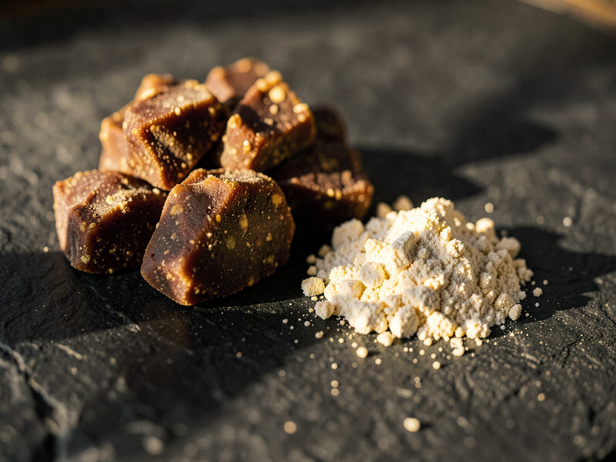
![Raw Jaggery and Flour]()
Raw Jaggery and Flour
Image credit : AI
Preparing for Chhath Puja, I focus on the raw jaggery and flour, essential for the festival's traditions.
Why deep-frying compounds the effect
Thekua is not baked. It is deep-fried, traditionally in ghee or refined oil, which means the wheat flour has already absorbed a significant fat load before it reaches the plate. A single piece of thekua can carry considerably more fat than its dry weight suggests. When this arrives in a stomach that has been producing minimal digestive secretions, the organ must ramp up acid production, enzyme release, and motility simultaneously. The stomach wall stretches, and stretch receptors send signals of fullness, sometimes discomfort, far sooner than they would after a normal meal. The vagus nerve, which governs the gut-brain connection, can trigger a drop in heart rate and blood pressure in response to this sudden stomach distension, which is one physiological explanation for the faintness some people feel immediately after breaking a long fast with a heavy food.
How to make the re-entry easier without abandoning the tradition
The prasad is not the problem, the speed is. A few practical adjustments sit entirely within the spirit of the tradition. Drinking a small amount of warm water or coconut water before the first morsel gives the stomach lining a chance to reactivate acid secretion gently. Eating one small piece of thekua slowly, chewing thoroughly, and waiting before taking more gives bile time to release in a measured way rather than a single concentrated surge. Sitting upright for at least 30 minutes after eating helps gravity assist gastric emptying. People with a history of gallstones, acid reflux, or irritable bowel syndrome should speak with a doctor before a nirjala fast of this duration, because the gallbladder contraction and rapid acid rebound can trigger acute symptoms in those conditions. The body recovers. It is built to fast and to feast. The discomfort most people feel is the machinery restarting, not a warning that something has gone wrong.