Three weeks of wedding dinners is not a single indulgence. It is a sustained physiological pattern: meals eaten after nine at night, portions that run two to three times a normal dinner, sugar loads from mithai and sharbat, and sleep that starts an hour or two later than usual. The body adapts to patterns, and this is one it adapts to in ways that take longer to undo than the season itself.
Blood Sugar Climbs Higher and Stays Higher for Longer
The body's insulin sensitivity follows a daily rhythm governed by the circadian clock. By late evening, that sensitivity is lower than it is at noon, which means the same quantity of rice or gulab jamun eaten at ten at night produces a steeper and more prolonged glucose spike than it would at seven in the evening. Eat this way repeatedly and the pancreas is asked to produce larger insulin responses night after night. Research tracked by the Indian Council of Medical Research has flagged late-night eating patterns as a contributing factor to dysglycaemia in urban Indian adults, particularly when the meals are high in refined carbohydrate. The spike itself is not the only problem. The sustained elevation, sometimes lasting into the early hours, means the body spends less time in the lower-glucose state it needs for overnight cellular repair.
![Sweet Indulgence, Evening Glow]()
Sweet Indulgence, Evening Glow
Image credit : AI
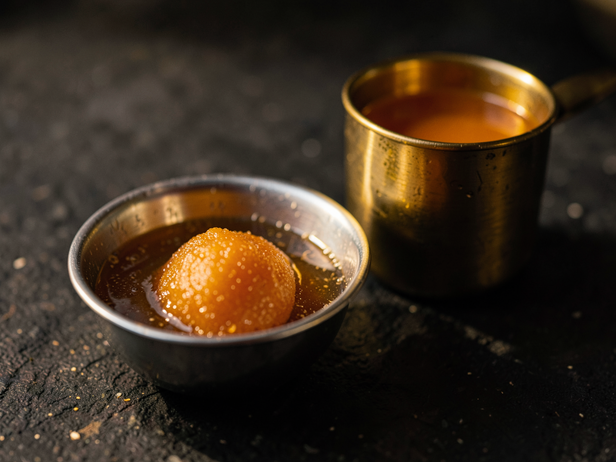
Enjoying a sweet treat and chai during wedding season, a moment of late night eating.
Sleep Breaks Into Fragments
A large meal raises core body temperature and keeps the digestive system active at the exact point the body is trying to lower temperature to initiate deep sleep. The result is not that sleep is delayed by an hour and then proceeds normally. The architecture changes: less slow-wave sleep, the phase responsible for physical repair and memory consolidation, and more light-stage sleep that is easily disrupted. Three weeks of this compresses the slow-wave budget cumulatively. People often report feeling unrefreshed after wedding-season nights even when they slept for seven or eight hours, which is an accurate description of what fragmented architecture produces. The alcohol common at many receptions compounds this: it accelerates sleep onset but suppresses REM and slow-wave stages in the second half of the night.
Blood Pressure Rises and Holds
Wedding food in India tends to be high in sodium. Shahi paneer, dal makhani, achaar, papad, and most professional catering runs salt levels well above what a home-cooked meal carries. A single high-sodium meal raises blood pressure transiently in most people. Repeated high-sodium meals over three weeks can shift the baseline upward, particularly in individuals who are already salt-sensitive, a trait that is more prevalent in South Asian populations than in European ones, according to data reviewed by the Indian Heart Association. The late timing of these meals matters here too: blood pressure follows a dip pattern during sleep called nocturnal dipping, and eating a heavy sodium load close to bedtime blunts that dip, keeping pressure elevated through the night rather than falling as it should.
![Health Vigilance Still Life]()
Health Vigilance Still Life
Image credit : AI
Monitoring health amidst life's celebrations, considering how wedding season affects sleep.
The Liver Takes on More Than It Can Process Overnight
The liver clears glucose, processes dietary fat, and handles alcohol. It does most of this work overnight. When dinner is eaten at ten and contains a full wedding spread, the liver is still processing that load at two in the morning, which is also when it would normally be running its own repair and glycogen-management cycles. Fat that cannot be fully processed is stored. Over three weeks this shows up as mild hepatic fat accumulation in some people, particularly those who already carry some visceral fat. This does not mean liver disease. It means the organ is working against a schedule it was not designed for, and the excess shows up on a scan or in mildly elevated liver enzymes if someone happens to have blood work done in December.
Gut Rhythm Shifts and Digestion Slows
The gut has its own clock, and it expects food in daylight hours. Late, heavy meals eaten repeatedly train the gut to slow its motility, the speed at which food moves through the digestive tract, because the gut is also trying to wind down for the night. The practical result is bloating that persists into the next morning, irregular bowel habits through the season, and a general sense of heaviness that people attribute to overeating but is partly a timing problem. The gut microbiome, which influences everything from immune function to mood, also responds to repeated high-fat, high-sugar inputs by shifting its composition toward strains that are better at extracting energy from food, which is not an advantage when the goal is to avoid gaining weight.
Cortisol and Hunger Hormones Fall Out of Sync
Cortisol is meant to be lowest at night and highest in the early morning. Late nights and disrupted sleep push the cortisol curve later, so it is still elevated when it should be falling. Elevated cortisol drives hunger, particularly for carbohydrate and fat, which is why the day after a late wedding night often involves strong cravings by mid-morning even after a large dinner the night before. Ghrelin, the hunger hormone, also rises with sleep disruption. Three weeks of this creates a feedback loop: poor sleep drives hunger, hunger leads to larger meals, larger meals worsen sleep quality.
The Reset Takes Longer Than the Season Did
Most people expect to feel normal within a few days of returning to regular meals and earlier bedtimes. The blood sugar regulation, blood pressure baseline, and sleep architecture each have their own recovery timelines, and none of them is as short as a long weekend. Insulin sensitivity begins to improve within days of returning to earlier meal timing, but the nocturnal blood pressure dip pattern can take two to three weeks to fully restore in people who were already borderline hypertensive. Sleep architecture recovers faster in younger adults and more slowly in those over forty. Anyone who has pre-existing blood sugar concerns, a family history of hypertension, or known sleep disorders should consider checking in with a doctor after the season rather than waiting to see whether things settle on their own.