For anyone managing blood sugar with insulin, a day without grains is not a neutral event. Grains, rice, roti, bread, oats, are the primary source of dietary carbohydrate in most Indian meals, and carbohydrate is what insulin is dosed against. Remove the grains and the equation changes at almost every meal.
1. Post-Meal Glucose Spikes Drop Sharply
Grains digest into glucose faster than most other foods. White rice, for example, has a glycaemic index in the range of 64 to 72, meaning it raises blood glucose quickly and substantially. On a grain-free day, the carbohydrate load at each meal falls considerably, and post-meal glucose peaks tend to be lower and flatter. This is well-established in carbohydrate metabolism research, the mechanism is straightforward: less dietary glucose arriving in the bloodstream means less of a spike for insulin to manage.
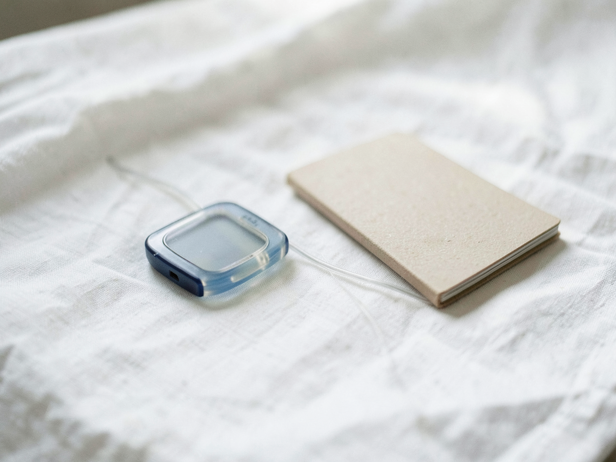
![Glucose Monitor and Notebook]()
Glucose Monitor and Notebook
Image credit : AI
My glucose monitor rests beside my notebook, a quiet moment for managing blood sugar and insulin.
2. Pre-Dosed Insulin Can Outrun the Carbohydrates
Here is where the physiology becomes genuinely risky. Rapid-acting insulin, the kind taken before meals, is calculated against an expected carbohydrate intake. If that intake drops sharply because grains are off the plate but the insulin dose stays the same, the insulin continues working against glucose that is no longer arriving in the quantities anticipated. The result is hypoglycaemia: blood glucose falls below safe levels. The Indian Council of Medical Research guidelines on diabetes management consistently flag this mismatch between dose and carbohydrate intake as one of the most common causes of insulin-related hypoglycaemia. Skipping grains without adjusting the dose is not a diet choice; it is a dosing problem.
3. Blood Sugar May Stay Lower for Longer Between Meals
After the post-meal peak is flatter and the insulin dose has done its work, glucose levels between meals can remain lower than usual. For some people this feels like good control. For others, particularly those on basal insulin that runs continuously through the day, it can push into the hypoglycaemic range in the hours before the next meal. The body does not distinguish between intentional dietary change and missed food; it responds to the glucose that is actually present.
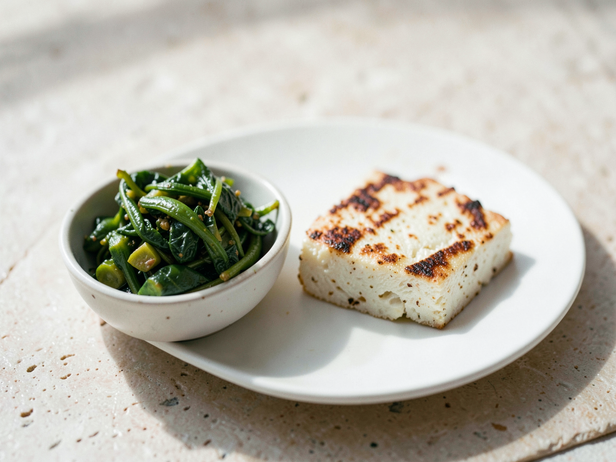
![Paneer and Greens]()
Paneer and Greens
Image credit : AI
My plate features grilled paneer and greens, a simple, healthy meal. Low carb insulin management is key.
4. Glucagon Activity May Increase
When blood glucose drops, the pancreas releases glucagon to signal the liver to release stored glucose. In people with type 1 diabetes, this counter-regulatory response is often blunted, meaning the liver's rescue mechanism does not fire as reliably. In type 2 diabetes managed with insulin, the response is more variable. Either way, a grain-free day that drives glucose lower than usual puts more pressure on a system that may already be working imperfectly. The mechanism is described in standard endocrinology: insulin suppresses glucagon, and when insulin is relatively excessive against a low carbohydrate intake, glucagon cannot fully compensate.
5. Glucose Variability Can Increase, Not Decrease
It might seem logical that eating fewer carbohydrates would produce steadier glucose. Sometimes it does. But on a single grain-free day, rather than a sustained low-carbohydrate pattern the body has adapted to, variability often increases. The reason is that the rest of the meal still contains protein and fat, both of which affect glucose, but more slowly and less predictably than carbohydrate. Protein can raise glucose over two to four hours through gluconeogenesis. Fat slows gastric emptying, which delays glucose absorption and can produce a late, unexpected rise. Without the predictable carbohydrate curve that insulin dosing is built around, timing becomes harder to get right.
6. Overnight Glucose Patterns May Shift
If the grain-free day runs through dinner, the overnight glucose pattern is the last thing to change. A lower-carbohydrate evening meal means less glucose arriving in the hours after dinner, which can push nocturnal glucose lower than usual, a period when hypoglycaemia is harder to detect and respond to. People on overnight basal insulin should be particularly attentive here. A bedtime glucose check is standard practice on any night when the day's eating has been substantially different from the pattern the insulin regimen was built around.