
Top 5 Fitness Lies Everyone Falls For
Trisha Chakraborty | Jan 08, 2026, 15:31 IST

Fitness Lies You Still Believe Without Question
Image credit : Unsplash
Fitness is often surrounded by myths that sound convincing but quietly slow down real progress. This article explores the top five fitness lies that almost everyone believes, from the idea that daily workouts guarantee results to the myth of spot fat reduction. It explains why sweating doesn’t equal fat loss, why lifting weights won’t make you bulky, and why diet alone isn’t enough for true health. By breaking these misconceptions, the article encourages a balanced, sustainable approach to fitness focused on consistency, recovery, strength, and long-term well-being rather than shortcuts or trends.
Fitness has become more accessible than ever. From Instagram reels and YouTube workouts to diet trends that promise instant transformation, we are surrounded by advice. Yet, despite all this information, many people still feel confused, frustrated, or stuck in their fitness journey. That’s because a lot of what we believe about fitness is shaped by half-truths, marketing gimmicks, and unrealistic portrayals of health. Let’s break down the top five fitness lies almost everyone falls for, and uncover what actually works in the long run.
![The Fitness Truth Nobody Tells You]()
One of the most common beliefs is that daily workouts are the key to fitness success. This idea often comes from seeing influencers who seem to train nonstop and still have endless energy. The truth, however, is very different. Your body doesn’t grow stronger during workouts. It grows stronger during recovery. When you exercise, you create small tears in your muscles. Rest allows those muscles to repair and grow back stronger. Without proper recovery, your progress slows down, and the risk of injury increases. Working out every day can also lead to mental burnout. Fitness should feel sustainable, not like punishment. Consistency matters more than frequency. Three to five well-planned workouts a week, combined with proper rest, can be far more effective than pushing yourself daily without recovery. Real fitness progress comes from balance, not exhaustion.
Many people judge the quality of a workout by how much they sweat. If the floor is soaked and your clothes are drenched, it feels like proof that fat is melting away. Unfortunately, sweat is not a reliable indicator of fat loss. Sweating is simply your body’s way of regulating temperature. You can sweat heavily in a hot room without burning many calories, and you can burn a significant amount of fat without sweating much at all. Factors like genetics, humidity, hydration, and room temperature all influence how much you sweat.
Fat loss depends on creating a calorie deficit over time, not on how dramatic your workout feels in the moment. Low-intensity exercises like walking or strength training may not leave you dripping in sweat, but they can be extremely effective when done consistently.
Sweat might feel satisfying, but it’s not the scoreboard for fitness success.
![Workout Myths That Slow Your Real Progress]()
This lie especially affects women, but men fall for it too. Many avoid strength training because they fear becoming too muscular or bulky. In reality, building large muscles requires specific training, heavy lifting, high calorie intake, and often years of consistent effort.
Strength training actually helps create a lean, toned appearance. It improves posture, boosts metabolism, strengthens bones, and enhances overall body composition. Muscle tissue burns more calories at rest than fat tissue, which means lifting weights can help with fat loss even when you’re not working out.
Avoiding weights often leads to the “skinny fat” look, where someone appears thin but lacks muscle definition and strength. Resistance training doesn’t make you bulky by accident. It makes you strong, confident, and resilient. Fear of bulk keeps many people from unlocking their true fitness potential.
Abs workouts for belly fat. Arm exercises for flabby arms. Squats for thigh fat. The fitness industry has sold us the idea that we can choose where fat disappears from our bodies. This is one of the biggest myths in fitness.
Fat loss doesn’t work that way. Your body decides where it loses fat first based on genetics, hormones, and overall body composition. Doing hundreds of crunches may strengthen your core, but it won’t magically melt belly fat if the rest of your lifestyle isn’t aligned with fat loss.
That doesn’t mean targeted exercises are useless. They build strength and improve muscle tone. But visible fat loss comes from full-body training, proper nutrition, stress management, and patience.
Spot reduction is appealing because it sounds easy and targeted. Real change, however, is more holistic.
You’ve probably heard the phrase, “Abs are made in the kitchen.” While nutrition is undeniably important, this statement is often taken too far. Many people believe that exercise barely matters if diet is “perfect.” This mindset can lead to unhealthy restrictions and guilt around food. Fitness is not just about how you look. It’s about how your body functions. Exercise improves heart health, mental well-being, mobility, strength, and energy levels. It reduces stress, improves sleep, and boosts confidence in ways diet alone cannot.
On the other hand, obsessing over diet can lead to extreme behaviors, yo-yo dieting, and a broken relationship with food. Sustainable fitness comes from nourishing your body, not punishing it.
Diet and exercise are partners, not competitors. One cannot replace the other.
![Think You’re Fit? These Myths Say Otherwise]()
The biggest lie of all is that fitness has a one-size-fits-all formula. What works for one person may not work for another. Age, lifestyle, genetics, mental health, and personal goals all play a role in shaping a fitness journey. True fitness is not about chasing trends or comparing yourself to others. It’s about building habits you can maintain for years. It’s about learning to listen to your body, respecting rest, and finding movement you actually enjoy. Progress may be slow, uneven, and sometimes invisible. But it is real when it’s built on honesty rather than myths. When you stop falling for fitness lies, you stop fighting your body and start working with it. And that’s when real transformation begins.
1. You Need to Work Out Every Day to See Results

The Fitness Truth Nobody Tells You
Image credit : Unsplash
One of the most common beliefs is that daily workouts are the key to fitness success. This idea often comes from seeing influencers who seem to train nonstop and still have endless energy. The truth, however, is very different. Your body doesn’t grow stronger during workouts. It grows stronger during recovery. When you exercise, you create small tears in your muscles. Rest allows those muscles to repair and grow back stronger. Without proper recovery, your progress slows down, and the risk of injury increases. Working out every day can also lead to mental burnout. Fitness should feel sustainable, not like punishment. Consistency matters more than frequency. Three to five well-planned workouts a week, combined with proper rest, can be far more effective than pushing yourself daily without recovery. Real fitness progress comes from balance, not exhaustion.
2. Sweating More Means You’re Burning More Fat
Fat loss depends on creating a calorie deficit over time, not on how dramatic your workout feels in the moment. Low-intensity exercises like walking or strength training may not leave you dripping in sweat, but they can be extremely effective when done consistently.
Sweat might feel satisfying, but it’s not the scoreboard for fitness success.
3. Lifting Weights Will Make You Bulky

Workout Myths That Slow Your Real Progress
Image credit : Unsplash
This lie especially affects women, but men fall for it too. Many avoid strength training because they fear becoming too muscular or bulky. In reality, building large muscles requires specific training, heavy lifting, high calorie intake, and often years of consistent effort.
Strength training actually helps create a lean, toned appearance. It improves posture, boosts metabolism, strengthens bones, and enhances overall body composition. Muscle tissue burns more calories at rest than fat tissue, which means lifting weights can help with fat loss even when you’re not working out.
Avoiding weights often leads to the “skinny fat” look, where someone appears thin but lacks muscle definition and strength. Resistance training doesn’t make you bulky by accident. It makes you strong, confident, and resilient. Fear of bulk keeps many people from unlocking their true fitness potential.
4. You Can Spot-Reduce Fat From Specific Areas
Fat loss doesn’t work that way. Your body decides where it loses fat first based on genetics, hormones, and overall body composition. Doing hundreds of crunches may strengthen your core, but it won’t magically melt belly fat if the rest of your lifestyle isn’t aligned with fat loss.
That doesn’t mean targeted exercises are useless. They build strength and improve muscle tone. But visible fat loss comes from full-body training, proper nutrition, stress management, and patience.
Spot reduction is appealing because it sounds easy and targeted. Real change, however, is more holistic.
5. Diet Matters More Than Everything Else
On the other hand, obsessing over diet can lead to extreme behaviors, yo-yo dieting, and a broken relationship with food. Sustainable fitness comes from nourishing your body, not punishing it.
Diet and exercise are partners, not competitors. One cannot replace the other.
The Real Truth About Fitness
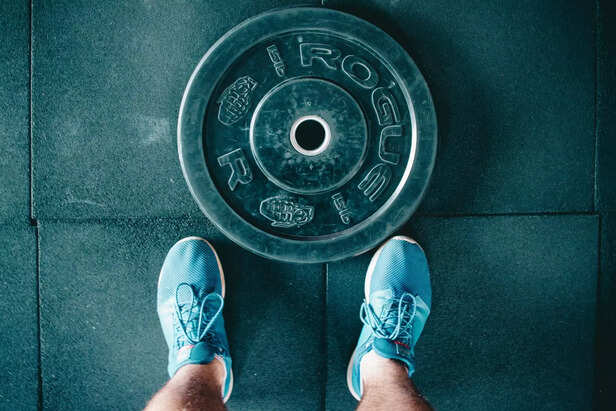
Think You’re Fit? These Myths Say Otherwise
Image credit : Unsplash
The biggest lie of all is that fitness has a one-size-fits-all formula. What works for one person may not work for another. Age, lifestyle, genetics, mental health, and personal goals all play a role in shaping a fitness journey. True fitness is not about chasing trends or comparing yourself to others. It’s about building habits you can maintain for years. It’s about learning to listen to your body, respecting rest, and finding movement you actually enjoy. Progress may be slow, uneven, and sometimes invisible. But it is real when it’s built on honesty rather than myths. When you stop falling for fitness lies, you stop fighting your body and start working with it. And that’s when real transformation begins.