Gray hair at fourteen is not always just a quirk of genetics. Sometimes it is the scalp's way of signaling something the rest of the body has not announced yet. Melanocytes, the cells inside each hair follicle that produce pigment, are sensitive to nutritional status, hormone levels, and immune activity. When those systems are under strain, melanocytes can slow down or stop working years ahead of schedule. The result is visible on the head long before any other symptom appears.
Vitamin B12 Deficiency and Iron Deficiency
Both nutrients are directly involved in melanin synthesis. B12 deficiency impairs the production of methionine, an amino acid the body uses to build melanin. Iron deficiency reduces the oxygen supply to follicle cells, which are metabolically demanding. Indian adolescents are at higher risk for both: the National Family Health Survey has consistently documented high rates of anaemia among teenagers, particularly girls, and B12 deficiency is common in households with low or no animal-protein intake. A full blood count and a serum B12 test are the starting point. Correcting the deficiency does not always reverse existing gray strands, but it can slow further progression and addresses a gap that matters for energy, cognition, and nerve function far beyond hair color.
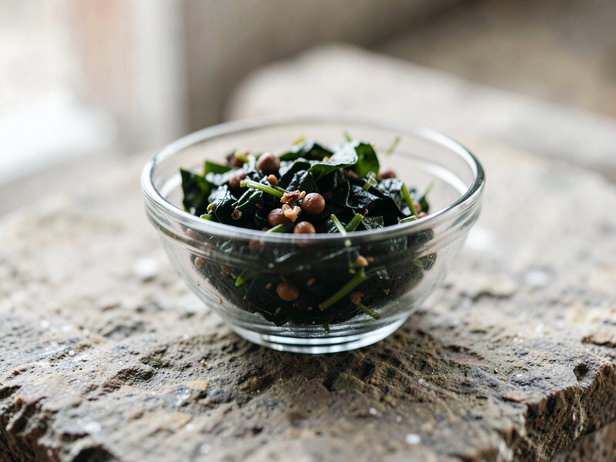
![Leafy Greens and Lentils]()
Leafy Greens and Lentils
Image credit : AI
My simple arrangement of greens and lentils, a study in texture and light. Considering why my teenager is getting gray hair.
Thyroid Dysfunction
Both hypothyroidism and hyperthyroidism can trigger premature graying. The thyroid regulates the speed of almost every metabolic process in the body, including the rate at which follicle cells produce and transfer pigment. A thyroid that is underactive or overactive disrupts that timing. In adolescents, thyroid dysfunction is often missed because its other symptoms, fatigue, weight change, mood shifts, are attributed to puberty. Hashimoto's thyroiditis, an autoimmune form of hypothyroidism, is among the more common thyroid conditions in teenage girls. A TSH test, and where indicated a free T4 and anti-TPO antibody panel, gives a clear picture. If the thyroid is the cause, treating it is the priority; the hair is secondary.
Vitiligo and Autoimmune Activity
Vitiligo is a condition in which the immune system attacks melanocytes, the same cells responsible for hair pigment. It most commonly appears as patches of depigmented skin, but in some cases the first visible sign is a white or gray streak in the hair, sometimes called a poliosis, before any skin change is obvious. Vitiligo is associated with other autoimmune conditions, including thyroid disease and type 1 diabetes, so its presence in a teenager is a reason to look at the broader autoimmune picture rather than treat the hair in isolation. A dermatologist can distinguish vitiligo-related graying from other causes on examination.
![Herbal Elixir Still Life]()
Herbal Elixir Still Life
Image credit : AI
Exploring natural remedies. Could this help with premature graying in teenagers?
Chronic Oxidative Stress and Smoking
Melanocyte function depends on the cell's ability to neutralize hydrogen peroxide, a byproduct of normal metabolism. Research published in the FASEB Journal identified an accumulation of hydrogen peroxide in hair follicles as a mechanism underlying age-related graying; the same process can be accelerated by chronic oxidative stress at any age. In teenagers, the most significant modifiable source of oxidative stress is tobacco use, including passive exposure. Smoking reduces serum levels of vitamins C and E, both of which help neutralize free radicals in follicle tissue. This is not a cosmetic argument for quitting; the oxidative burden that shows up in hair color is acting on every other tissue at the same time.
Werner Syndrome and Rare Genetic Conditions
In a small number of cases, very early and rapidly progressing graying is one feature of a rare genetic syndrome. Werner syndrome, a condition affecting DNA repair, presents with premature aging features including early gray hair, typically in the late teens or early twenties. Progeria variants and certain mitochondrial disorders can also include early pigment loss. These are uncommon, but when graying appears alongside other signs of accelerated aging, unusual fatigue, or a family history of early-onset age-related disease, a genetics referral is appropriate. The point is not to alarm; it is that the symptom pattern, not graying alone, guides the investigation.
What a Doctor Will Actually Do
A teenager with noticeable premature graying should see a general physician first, not a dermatologist and not a trichologist. The first step is a targeted history: diet, family history, any other symptoms, and a basic panel of blood tests covering full blood count, serum ferritin, serum B12, TSH, and fasting glucose. Most cases will resolve to a nutritional deficiency or a thyroid issue, both of which are straightforward to treat. The minority that do not will be referred onward. What the visit will not do is produce a prescription for the hair itself; there is no licensed treatment that reliably restores pigment to gray follicles in teenagers. The value of the appointment is in what it finds underneath. Gray hair is the clue. The investigation is about everything else.