Walking into a police station as a witness feels like walking into someone else's problem. It rarely stays that way. What you say, what you sign, and what you hand over can follow you long after you leave the room.
What to Carry With You
A government-issued photo ID is the one thing you cannot arrive without. An Aadhaar card, a PAN card, a passport, or a voter ID, any one of these will do. Carry originals and, if you have time, one photocopy of each. The station may ask to record your identity details; a photocopy means you control what gets retained without surrendering your original document.
Carry a pen. It sounds minor. It means you read every line before you sign rather than waiting for someone to hand you theirs.
If you have any documents related to the matter, a receipt, a photograph, a message thread, carry them but do not hand them over unless asked. If asked, hand over copies, not originals. Originals returned from a police station have a way of taking longer than expected.
If you know the case number or FIR number, note it. It lets you track the matter and refer to it precisely if you need to follow up.
![Pen on Open Notebook]()
Pen on Open Notebook
Image credit : AI
I observe the pen poised over the blank page, ready to record a witness statement under Section 161 CrPC.
What a Witness Statement Actually Is
Under Section 161 of the Code of Criminal Procedure, a police officer investigating a case can examine any person who may know something relevant. You are not under oath during this examination. The officer records what you say, and you are not required to sign that record. This is a point most witnesses do not know: the statement recorded under Section 161 is the officer's written version of what you said. You have no legal obligation to sign it.
A statement recorded under Section 164 is different. This one is recorded before a Magistrate, is made under oath, and carries more formal legal weight. If you are asked to go before a Magistrate rather than simply speak to an investigating officer, that is a different situation and the moment to ask for a lawyer before you proceed.
The distinction matters because what you sign under 164 can be used against you in court if you later say something different.
What You Can Refuse
You can refuse to answer any question whose answer would incriminate you. Article 20(3) of the Constitution of India protects every person from being compelled to be a witness against themselves. This applies even if you are called as a witness rather than an accused. If a question puts you in the frame for something, you do not have to answer it.
You can refuse to hand over original documents. Ask whether a copy will serve the purpose. In most cases it will.
You can ask why a particular question is relevant to the matter you were called about. You are not being obstructive. You are being precise.
You can ask for time to consult a lawyer before answering anything you are uncertain about. A police station is not a courtroom. No one can compel you to answer on the spot without that right.
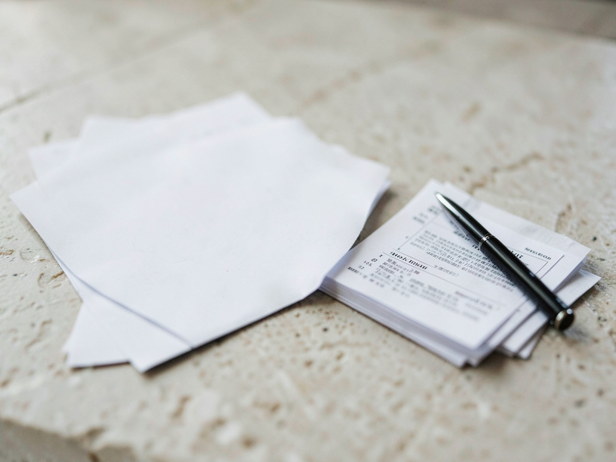
![Paper, Pen, and Documents]()
Paper, Pen, and Documents
Image credit : AI
Preparing to give my witness statement under Section 161 CrPC. Understanding police station witness rights in India is crucial.
What You Should Not Do
Do not guess. If you do not remember something clearly, say so. A statement that turns out to be wrong is harder to walk back than a gap in memory.
Do not sign anything you have not read in full. Read every line, including the parts that summarise what you said. If something in the written record does not match what you actually said, point it out before you put your name on it. Ask for it to be corrected. If the correction is refused, note in writing on the document itself that you dispute that portion.
Do not bring someone along who is also connected to the matter. Their presence can complicate both your accounts. Bring a family member or a trusted person with no involvement in the case if you want someone to wait outside.
Do not leave without asking for a copy of anything you signed. You are entitled to one.
When to Call a Lawyer First
If the matter involves a serious crime, if you have any financial or personal connection to the accused, or if the questions being asked seem to be moving toward your own conduct rather than what you witnessed, contact a lawyer before your visit. Many advocates offer a short consultation for exactly this kind of situation. The Chanakya Niti holds that a wise person prepares for difficulty before it arrives, not while standing inside it. Arriving at a police station already knowing what you will and will not sign is exactly that kind of preparation.
A witness who knows the rules of the room is far harder to pressure than one who does not. The law gives you more standing than most people realise, the gap is simply not knowing it before you walk in.