A geyser left on for three hours uses roughly the same electricity as one switched on for 30 minutes and then off, because once the water hits the set temperature, the element cycles on and off to hold it there, burning power the whole time. That one fact rewrites most of what households do by habit every winter morning.
Tank Size Is Not About Comfort, It Is About Load
A 10-litre geyser is sized for one person washing up. A 15-litre tank covers a single shower. A 25-litre tank is marketed as a family unit, but in a two-person flat it means heating 10 extra litres every single morning that go nowhere. The Bureau of Energy Efficiency rates geysers by the energy lost per 24 hours of standby, a larger tank loses more heat through its walls even when no one is drawing water. The rule is simple: size the tank to what you actually use in one session, not to what feels safe. If you have never run a 15-litre tank dry in the morning, you do not need 25.
![Warm Morning Water Heater]()
Warm Morning Water Heater
Image credit : AI
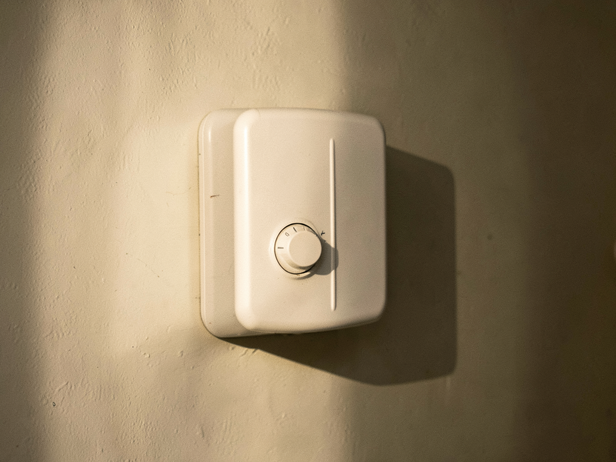
My geyser thermostat setting is crucial for saving electricity. This unit is ready for a warm morning.
The Thermostat Setting Nobody Touches
Factory default on most Indian geysers is 60°C. At that temperature the element works harder, standby losses are higher, and the water coming out of the tap needs cold mixed in before it is usable, which means you heated water past the point of use and then cooled it down again with free cold water. Set the thermostat to 50°C for a household that mixes hot and cold at the tap. The water reaches the showerhead at a usable temperature without dilution, the element cycles less, and standby loss drops. The setting is usually a dial behind the safety cap on the side of the unit. Turn it; it takes 20 seconds.
Timing: The 20-Minute Rule and Why Timers Pay Back Fast
A well-insulated modern geyser with a full cold tank takes between 20 and 30 minutes to reach temperature from cold. Switching it on an hour before you need it means 30 to 40 minutes of idle cycling. Switching it on the night before and leaving it on means eight hours of standby loss. The habit that doubles a winter bill is not long showers, it is the geyser running from 6 a.m. to 9 a.m. because nobody thought to switch it off after the first person finished.
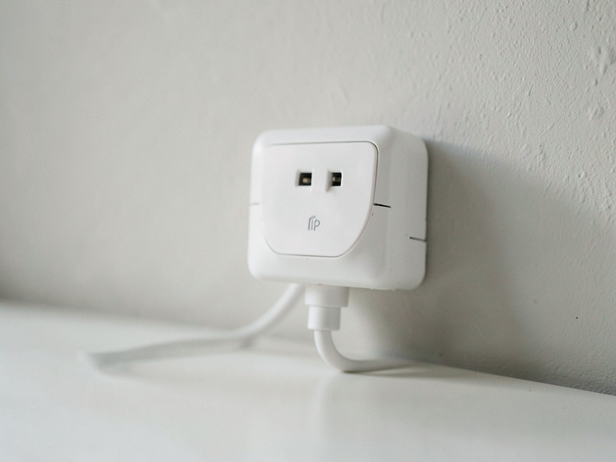
An external plug-in timer costs between ₹300 and ₹600 at any electrical supply shop. Set it to switch on 25 minutes before the first person wakes and off 15 minutes after the last person typically finishes. A household running a 2kW geyser for three hours a day instead of 45 minutes saves roughly 2.25 units of electricity daily. At ₹8 per unit, a middle-range figure across Indian state tariffs, that is ₹18 a day, ₹540 a month, across a four-month winter.
![Morning light on timer]()
Morning light on timer
Image credit : AI
This timer helps reduce geyser bill India by controlling electricity usage. A simple solution for energy saving.
Insulation and the Pipe Nobody Thinks About
Heat loss does not stop at the tank wall. In older installations, the first half-metre of the hot water pipe running out of the geyser is bare copper or PVC, and it bleeds heat back into the wall cavity every hour the geyser is idle. Pipe lagging, foam insulation sleeves that split lengthwise and clip over the pipe, costs under ₹50 per metre and takes ten minutes to fit without tools. It will not transform your bill, but in a cold-wall installation in a north Indian winter, it closes a loss that compounds every day.
The tank itself should sit as close to the point of use as possible. Every metre of pipe between the geyser and the showerhead is cold water that must be flushed out before hot water arrives, water that was already heated and is now sitting in the pipe cooling. In a bathroom where the geyser is mounted directly above the shower, that flush is negligible. In a flat where the geyser is in a utility room at the far end of a corridor, it can be two to three litres per shower, heated and wasted.
The One Habit Check Worth Doing This Week
Note the time you switch the geyser on tomorrow morning and the time the last person finishes using hot water. If the gap is more than 45 minutes, you have found your bill. A timer, a thermostat adjustment, and a tank-size rethink at the next replacement are the only interventions that matter. Everything else is marginal.
A geyser is not a complicated appliance. It heats water and holds it. The cost comes entirely from how long it holds it and how hot. Both are adjustable today, without a plumber, without a new unit, and without spending anything that does not pay back inside a single winter.