The ticket is the number everyone talks about, but it is rarely the biggest line item. Families travelling from Delhi, Mumbai, or Bengaluru to Bihar and eastern Uttar Pradesh for Chhath Puja spend, on average, somewhere between twelve thousand and thirty-five thousand rupees for a household of four, and that range depends almost entirely on how far in advance they planned and how honestly they counted everything.
The Train Booking Window Is Not What It Used to Be
Tatkal opens sixty days before departure for most express trains on the Indian Railways network. For Chhath, that window fills within hours. Families who book in the Tatkal window pay a surcharge that can add eight hundred to fifteen hundred rupees per ticket on top of the base fare. A family of four in sleeper class going from Mumbai to Patna can spend close to six thousand rupees in Tatkal alone, nearly the cost of an additional ticket at the regular fare.
The Chanakya Niti principle that governs this is simple: the person who prepares in advance does not pay the price of urgency. Booking at the 120-day window, the moment it opens for premium trains, cuts the ticket cost roughly in half for most routes. Set a calendar reminder. The date is fixed. The puja is not moving.
Families who miss both windows often turn to buses, which are cheaper on the ticket but brutal on time, or to flight aggregators during flash sales. A flight from Delhi to Patna booked six weeks out can occasionally match a Tatkal train ticket in cost while saving a day of travel, worth calculating rather than assuming.
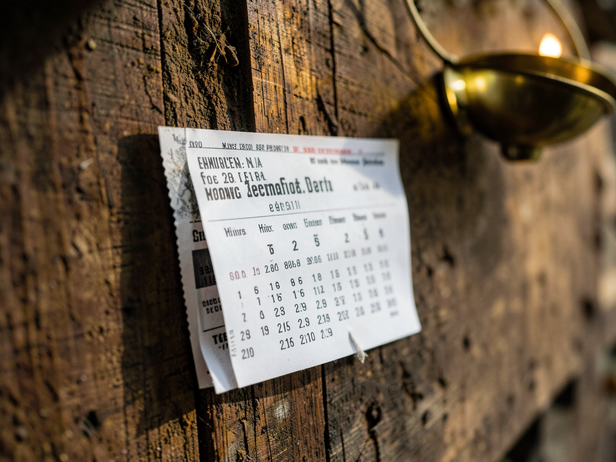
![Morning light on travel mementos]()
Morning light on travel mementos
Image credit : AI
Planning my Chhath Puja trip, this ticket and calendar remind me of the journey home.
The Puja Budget Is Underestimated Every Single Year
Chhath requires specific materials: sugarcane, seasonal fruits including coconut and banana, thekua made from wheat flour and jaggery, bamboo baskets called soop, and new cotton clothing for the vratin. In a village market, these costs are lower. In a city where you are buying for relatives back home, or in a town market flooded with Chhath demand, prices on sugarcane and coconut can spike thirty to fifty percent in the week before the puja.
A realistic puja material budget for a middle-income family doing the rituals properly runs between two thousand and five thousand rupees, not counting the new clothes. Families who plan to buy everything at the destination often find the local market picked over by the time they arrive. Splitting the purchase, dry items like thekua ingredients bought and prepared before travel, fresh fruit sourced locally, reduces both cost and the chaos of last-minute shopping.
The clothing budget is the one that expands without warning. One saree for the mother, one dhoti for the father, something for the children, something for the elders in the house who are not travelling. Families who set a per-person ceiling before they start shopping, and communicate it, spend roughly forty percent less than families who decide in the shop.
The Gift List Needs a Hard Cap, Not Good Intentions
Going home means going home with things. Dry fruits, sweets from the city, something for the children of siblings, something for the house. This is not optional in most families and pretending it is creates more stress than the cost itself.
The practical move is to set the gift budget before the ticket is booked, not after. A fixed amount, say three to five thousand rupees for a middle-income earner, forces prioritisation. Dry fruits bought in bulk from a wholesale market rather than a branded gift shop cost roughly half as much for the same weight. Sweets made at home or bought from a local mithai shop rather than a packaged brand carry more meaning and cost less.
The mistake most families make is treating gifts as a separate, emotional category that sits outside the budget. It does not. It is a line item. Name it, cap it, and buy within it.
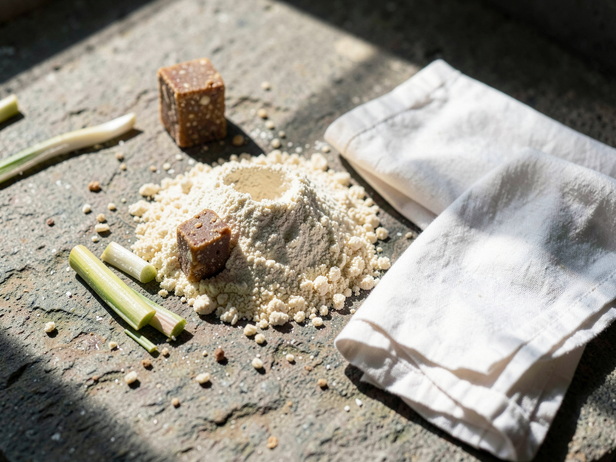
![Raw Ingredients for Sweetness]()
Raw Ingredients for Sweetness
Image credit : AI
Preparing for Chhath Puja, I gather raw wheat flour, jaggery, and sugarcane. Planning my going home for Chhath cost is key.
The Leave Calculation Nobody Does Until It Is Too Late
Chhath Puja falls on the Shashthi and Saptami of Kartik Shukla Paksha, the sixth and seventh days of the bright fortnight of Kartik. The rituals span four days, and travel on either side adds two to three more. Most working people need at least a week away.
For salaried employees, this usually means using earned leave. For contract workers, daily-wage earners, or those in roles without paid leave, it means a week without income. A daily-wage worker in a city earning eight hundred rupees a day loses five to six thousand rupees in income for a five-day trip, on top of everything else.
The families who manage this best treat the income loss as a cost that goes into the Chhath budget twelve months in advance. A recurring deposit of five hundred rupees a month from the previous Chhath gives a family six thousand rupees by the next one, enough to cover the income gap without borrowing. Chanakya's Arthashastra is direct on this principle: savings are not what remains after spending, they are what is set aside before it.
What the Full Budget Actually Looks Like
Laid out honestly for a family of four travelling from a metro to Bihar:
Train tickets, round trip: six thousand to fourteen thousand rupees depending on class and booking window. Puja materials and clothing: four thousand to nine thousand rupees. Gifts: two thousand to five thousand rupees. Local transport, meals in transit, incidentals: one thousand to three thousand rupees. Income loss for non-salaried members: variable, but plan for it.
The total range is thirteen thousand to thirty-one thousand rupees. Families who plan twelve months out, book early, cap the gift list, and treat the income loss as a budget line rather than a surprise land closer to the lower end. Families who plan two weeks out land at the top, or beyond it.
Chhath is not negotiable for the families who keep it. The cost does not have to be. The puja has a fixed date every year. The preparation does not have to wait for the reminder.