
5 Animals That Can Kill Without Ever Touching You
Nidhi | Mar 18, 2026, 12:55 IST

Animals
Image credit : Ai
We often think danger comes from claws and teeth, but nature works differently. Some animals can kill without ever physically attacking you. From invisible diseases to deadly toxins, these creatures prove that the most dangerous threats are often the ones we don’t see coming. This article explores five such animals and the science behind their silent but powerful danger.
Not every deadly animal needs teeth in your skin or claws on your body to become dangerous. Some kill through toxins in flesh, poison on skin, venom sprayed from a distance, or diseases carried from one host to another. Their danger is unsettling because it breaks the way we usually imagine threat. We expect violence to be visible. Nature often works in quieter ways.
That is what makes these animals so fascinating. They remind us that danger is not always loud, fast, or dramatic. Sometimes it travels through a meal, a drop of venom, or a parasite too small to see. The animal may never wrestle with you, yet the damage can still be severe or fatal. Here are five such creatures whose power lies not in direct attack, but in what they carry, release, or leave behind.
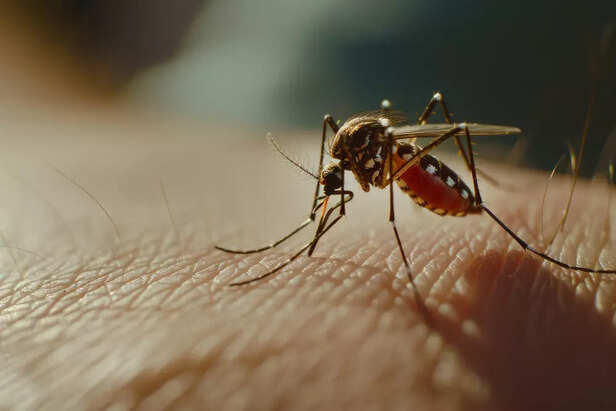
![Mosquito]() The mosquito is small enough to be dismissed, but in terms of human death, it is one of the most consequential animals on Earth. Its danger does not come from the bite itself. It comes from what that bite can deliver. Mosquitoes act as vectors, meaning they carry disease-causing organisms from one host to another. Malaria, dengue, Zika, chikungunya, West Nile virus, and lymphatic filariasis are among the illnesses linked to them. Public health agencies routinely describe mosquitoes as the world’s deadliest animal because the diseases they spread kill far more people than large predators do.
The mosquito is small enough to be dismissed, but in terms of human death, it is one of the most consequential animals on Earth. Its danger does not come from the bite itself. It comes from what that bite can deliver. Mosquitoes act as vectors, meaning they carry disease-causing organisms from one host to another. Malaria, dengue, Zika, chikungunya, West Nile virus, and lymphatic filariasis are among the illnesses linked to them. Public health agencies routinely describe mosquitoes as the world’s deadliest animal because the diseases they spread kill far more people than large predators do.
What makes the mosquito especially frightening is that its lethality is indirect. The insect itself is fragile. The real threat is biological transfer. A tiny feeding event can become the beginning of fever, organ damage, neurological complications, or death. In that sense, the mosquito changes the meaning of contact. What harms you is not force, but transmission. It is one of nature’s clearest lessons that size has almost nothing to do with power.
The pufferfish looks almost absurdly harmless, even charming, until you understand what may be inside it. Many pufferfish contain tetrodotoxin, a potent natural poison that can cause numbness, paralysis, respiratory failure, cardiovascular collapse, and death. In poisoning cases, the danger usually comes through eating the fish, especially when toxic organs or tissues are not removed correctly. Regulatory and medical sources warn that some pufferfish contain enough toxin to cause rapid death.
This makes the pufferfish a striking example of an animal that can kill without any attack at all. It does not need to chase, sting, or bite. The animal can be nowhere near you when the poisoning happens. Its danger survives through preparation, handling, and consumption. That is why pufferfish is such a powerful reminder that in nature, death is not always delivered in the moment of encounter. Sometimes it is delayed, invisible, and already inside what looks like food.
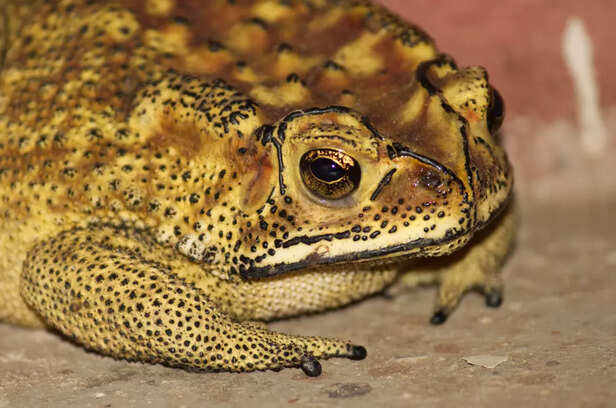
![Golden Poison Frog]() The golden poison frog is tiny, brightly colored, and almost impossibly beautiful. It is also one of the most toxic vertebrates known. Its skin contains batrachotoxin, a powerful compound that disrupts sodium channels in nerves and muscles, leading to arrhythmias, paralysis, and potentially cardiac failure. Britannica notes that a wild golden poison frog can carry enough toxin that a very small fraction of it could kill a human.
The golden poison frog is tiny, brightly colored, and almost impossibly beautiful. It is also one of the most toxic vertebrates known. Its skin contains batrachotoxin, a powerful compound that disrupts sodium channels in nerves and muscles, leading to arrhythmias, paralysis, and potentially cardiac failure. Britannica notes that a wild golden poison frog can carry enough toxin that a very small fraction of it could kill a human.
What matters here is the method. This frog does not need to leap at you as a predator would. Its toxicity exists as a chemical defense on its skin. The danger can reach the body through mucous membranes or broken skin, and historically these toxins were valued precisely because they could be transferred to dart tips. The animal’s power is passive, yet devastating. It survives by making touch unnecessary. That is an extraordinary form of defense: to be dangerous simply by being handled wrong.
Most people think of snakes as dangerous only when they bite. Spitting cobras break that expectation. Instead of relying only on fangs in flesh, they can eject venom toward the face, especially the eyes, as a defensive act. Scientific and medical sources describe this behavior as highly targeted, with venom capable of causing intense pain, corneal injury, inflammation, and in some cases permanent blindness. The mechanism is not ordinary contact. It is projection.
That matters because venom is not always just a bite problem. Cobra venoms contain potent toxins, including neurotoxic components in many species, and exposure to vulnerable tissues can become medically serious very quickly. Even when death does not occur from sprayed venom alone, the cobra still belongs on this list because it shows how animals can weaponize distance. The body does not need to be seized for harm to begin. A few projected droplets can be enough to change vision, function, and survival odds in minutes if treatment is delayed.
The rough skinned newt is another quiet animal with a chemistry far deadlier than its appearance suggests. It produces tetrodotoxin, the same family of toxin associated with pufferfish poisoning. Medical literature includes a documented fatal poisoning after ingestion of this newt. That alone makes it one of the clearest examples of an animal whose lethal capacity does not depend on aggression. The threat is biochemical, not physical.
Its importance lies in what it teaches us about hidden defense. Some creatures do not survive by overpowering enemies. They survive by making themselves a terrible mistake to consume. The newt does not need speed, sharp teeth, or dramatic posture. Its body chemistry does the work. And that is perhaps more unsettling than open violence, because it means the most dangerous part of an animal may be the part you cannot see at all.
That is what makes these animals so fascinating. They remind us that danger is not always loud, fast, or dramatic. Sometimes it travels through a meal, a drop of venom, or a parasite too small to see. The animal may never wrestle with you, yet the damage can still be severe or fatal. Here are five such creatures whose power lies not in direct attack, but in what they carry, release, or leave behind.
1. Mosquito
Mosquito
Image credit : Ai
What makes the mosquito especially frightening is that its lethality is indirect. The insect itself is fragile. The real threat is biological transfer. A tiny feeding event can become the beginning of fever, organ damage, neurological complications, or death. In that sense, the mosquito changes the meaning of contact. What harms you is not force, but transmission. It is one of nature’s clearest lessons that size has almost nothing to do with power.
2. Pufferfish
This makes the pufferfish a striking example of an animal that can kill without any attack at all. It does not need to chase, sting, or bite. The animal can be nowhere near you when the poisoning happens. Its danger survives through preparation, handling, and consumption. That is why pufferfish is such a powerful reminder that in nature, death is not always delivered in the moment of encounter. Sometimes it is delayed, invisible, and already inside what looks like food.
3. Golden Poison Frog
Golden Poison Frog
Image credit : Ai
What matters here is the method. This frog does not need to leap at you as a predator would. Its toxicity exists as a chemical defense on its skin. The danger can reach the body through mucous membranes or broken skin, and historically these toxins were valued precisely because they could be transferred to dart tips. The animal’s power is passive, yet devastating. It survives by making touch unnecessary. That is an extraordinary form of defense: to be dangerous simply by being handled wrong.
4. Spitting Cobra
That matters because venom is not always just a bite problem. Cobra venoms contain potent toxins, including neurotoxic components in many species, and exposure to vulnerable tissues can become medically serious very quickly. Even when death does not occur from sprayed venom alone, the cobra still belongs on this list because it shows how animals can weaponize distance. The body does not need to be seized for harm to begin. A few projected droplets can be enough to change vision, function, and survival odds in minutes if treatment is delayed.
5. Rough Skinned Newt
Its importance lies in what it teaches us about hidden defense. Some creatures do not survive by overpowering enemies. They survive by making themselves a terrible mistake to consume. The newt does not need speed, sharp teeth, or dramatic posture. Its body chemistry does the work. And that is perhaps more unsettling than open violence, because it means the most dangerous part of an animal may be the part you cannot see at all.