
Why Everyone Is Tired Even After 8 Hours of Sleep
Charu Sharma | Dec 16, 2025, 17:45 IST

Sleep
Image credit : Pixabay
Never feeling refreshed after a full night's sleep has become a problem that is constantly happening in modern times. How come people still get tired although they sleep eight hours ? The article answers this question by analysing the impact of stress, emotional overload, lifestyle habits, sleep quality, and exhaustion on people's energy levels and revealing what real rest means in the present day.
You went to bed on time, didn’t you? You managed to sleep a full eight hours, and yet, you woke up feeling like you've been running a marathon while your soul was crying. You also didn't doomscroll till 3 a.m. But still, you feel this way. This exhausting thing that has been going on all the time has become so familiar that people joke about it - however, the fact that people are tired all the time is not a personality trait, and it is not laziness either. In today's world, which is highly interconnected and still very stressful, sleep by itself is not enough to make one feel rested. Lack of energy has quietly shifted from being a purely physical problem to a lifestyle condition that is influenced by stress, habits, hormones, and emotional overload. This is the reason why an eight-hour sleep is often ineffective and what is actually draining your energy.
1. Your Sleep Quality Is Poor - Even If the Quantity Is Right
![Phone screen dimly lit]()
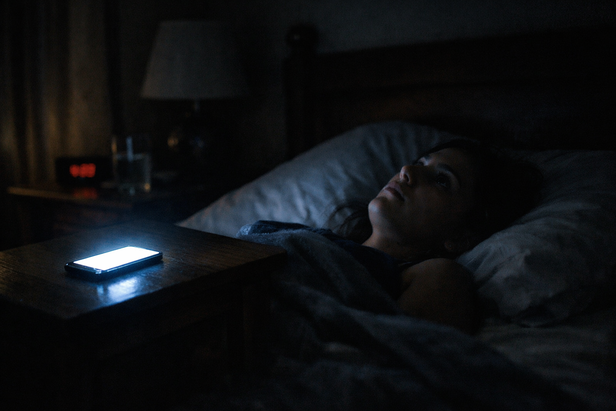
You might be spending enough time in bed, however, that doesn't mean your body is getting restorative sleep. The quality of sleep is what matters much more than the quantity of sleep. Interrupted sleep, light sleep, or frequent micro-awakenings may, in fact, disallow the body to reach deep and REM sleep - these are the stages that are mainly responsible for muscle repair, memory processing, and emotional regulation. Such factors as exposure to the screen before going to bed, irregular sleep schedules, caffeine intake late at night, and even sleeping in a noisy or uncomfortable environment can make your sleep cycle fragmented. Therefore, your body is not getting a complete reset, and you are left with the sensation of heaviness, fogginess, and being drained the next morning.
2. Chronic Stress Is Quietly Draining Your Energy
![Person tensed]()
Stress isn’t something that just stops when you go to bed. If your brain is still on high alert, your nervous system will be in an overdrive mode - even I your sleep. That is why the release of cortisol, the stress hormone, is kept at a high level, deep rest is not achieved, and the feeling of tiredness upon waking recurs. The stress of the modern world is not always loud and obvious; it is quiet and keeps going. Work pressure, academic deadlines, financial worries, relationship uncertainty, and the pressure to always be productive are some of the factors that contribute to the creation of a background anxiety, which the body never gets a break from. Emotional exhaustion becomes a consequence of this gradual process and the time it takes, a stage that sleep alone cannot remedy.
3. Mental and Emotional Overload Causes Invisible Fatigue
![Person looking sad]()
It is not only the physical aspects of a task that can make one tired. Emotional labour - the continuous management of one's feelings, expectations, conversations, and duties - is very draining. If your mind is always engaged in processing, worrying, planning, or holding back emotions, it consumes energy quicker than you think. Such exhaustion frequently manifests itself in the form of brain fog, low motivation, and a heavy feeling in the body even though one has not done much physically. It is possible that you have a sound sleep but still wake up feeling mentally fatigued as your brain has not had a proper rest.
4. Lifestyle Habits Are Disrupting Your Natural Energy Cycles
![Woman stressed in her office]()
Not eating regularly, not drinking enough water, lack of sunlight, little movement, and too much time in front of a screen are all factors that mess with the body’s circadian rhythm. When you don’t eat for a long time or you live on caffeine and sugar, you will have energy crashes. When you sit for a long time your circulation and oxygen flow decrease, and this makes you feel lethargic. Furthermore, a body clock that depends on light for its functioning is affected when most of the day is spent in a dark room. Eventually, this causes you to be tired at all times of the day even if you sleep for a long time.
5. Burnout Has Become a Normalised State
![Woman lying]()
Burnout used to be a problem only for people in high-pressure jobs, but now it has come to be part of daily life. If you are in a situation where you have to give yourself a rest with a feeling of guilt, then your body still does not get the proper recovery. So even the weekends are transformed into days of recuperation instead of being truly refreshing ones. Burnout takes away the motivation, impairs the capacity to find joy, and causes a feeling of tiredness that is always present and cannot be alleviated by sleep. When there is no proper mental rest, setting of boundaries, and real downtime, weariness becomes the normal state instead of a fleeting one.
After having eight hours of sleep, feeling tired is not a personal failure - rather, it is a signal of the way modern life is structured. Sleep is necessary, but it is not able to reverse the situation of chronic stress, emotional overload, unhealthy habits, and burnout all by itself. Real rest takes less time than is normally thought; it requires balance, personal boundaries, and a few moments of calm during the day. As long as we keep acting as if being constantly busy is something to be proud of and still do not take the overall well-being as our first priority, exhaustion will continue to be a feeling that we cannot escape. The answer is not to sleep more - it is to live better.
FAQs (Frequently Asked Questions) :
1. Your Sleep Quality Is Poor - Even If the Quantity Is Right
Phone screen dimly lit
Image credit : Times Life Bureau
You might be spending enough time in bed, however, that doesn't mean your body is getting restorative sleep. The quality of sleep is what matters much more than the quantity of sleep. Interrupted sleep, light sleep, or frequent micro-awakenings may, in fact, disallow the body to reach deep and REM sleep - these are the stages that are mainly responsible for muscle repair, memory processing, and emotional regulation. Such factors as exposure to the screen before going to bed, irregular sleep schedules, caffeine intake late at night, and even sleeping in a noisy or uncomfortable environment can make your sleep cycle fragmented. Therefore, your body is not getting a complete reset, and you are left with the sensation of heaviness, fogginess, and being drained the next morning.
2. Chronic Stress Is Quietly Draining Your Energy

Person tensed
Image credit : Times Life Bureau
Stress isn’t something that just stops when you go to bed. If your brain is still on high alert, your nervous system will be in an overdrive mode - even I your sleep. That is why the release of cortisol, the stress hormone, is kept at a high level, deep rest is not achieved, and the feeling of tiredness upon waking recurs. The stress of the modern world is not always loud and obvious; it is quiet and keeps going. Work pressure, academic deadlines, financial worries, relationship uncertainty, and the pressure to always be productive are some of the factors that contribute to the creation of a background anxiety, which the body never gets a break from. Emotional exhaustion becomes a consequence of this gradual process and the time it takes, a stage that sleep alone cannot remedy.
3. Mental and Emotional Overload Causes Invisible Fatigue

Person looking sad
Image credit : Times Life Bureau
It is not only the physical aspects of a task that can make one tired. Emotional labour - the continuous management of one's feelings, expectations, conversations, and duties - is very draining. If your mind is always engaged in processing, worrying, planning, or holding back emotions, it consumes energy quicker than you think. Such exhaustion frequently manifests itself in the form of brain fog, low motivation, and a heavy feeling in the body even though one has not done much physically. It is possible that you have a sound sleep but still wake up feeling mentally fatigued as your brain has not had a proper rest.
4. Lifestyle Habits Are Disrupting Your Natural Energy Cycles

Woman stressed in her office
Image credit : Times Life Bureau
Not eating regularly, not drinking enough water, lack of sunlight, little movement, and too much time in front of a screen are all factors that mess with the body’s circadian rhythm. When you don’t eat for a long time or you live on caffeine and sugar, you will have energy crashes. When you sit for a long time your circulation and oxygen flow decrease, and this makes you feel lethargic. Furthermore, a body clock that depends on light for its functioning is affected when most of the day is spent in a dark room. Eventually, this causes you to be tired at all times of the day even if you sleep for a long time.
5. Burnout Has Become a Normalised State

Woman lying
Image credit : Times Life Bureau
Burnout used to be a problem only for people in high-pressure jobs, but now it has come to be part of daily life. If you are in a situation where you have to give yourself a rest with a feeling of guilt, then your body still does not get the proper recovery. So even the weekends are transformed into days of recuperation instead of being truly refreshing ones. Burnout takes away the motivation, impairs the capacity to find joy, and causes a feeling of tiredness that is always present and cannot be alleviated by sleep. When there is no proper mental rest, setting of boundaries, and real downtime, weariness becomes the normal state instead of a fleeting one.
Final note :
After having eight hours of sleep, feeling tired is not a personal failure - rather, it is a signal of the way modern life is structured. Sleep is necessary, but it is not able to reverse the situation of chronic stress, emotional overload, unhealthy habits, and burnout all by itself. Real rest takes less time than is normally thought; it requires balance, personal boundaries, and a few moments of calm during the day. As long as we keep acting as if being constantly busy is something to be proud of and still do not take the overall well-being as our first priority, exhaustion will continue to be a feeling that we cannot escape. The answer is not to sleep more - it is to live better.
FAQs (Frequently Asked Questions) :
- Does sleeping too much also cause fatigue?
Oversleeping can disrupt your body clock and leave you feeling groggy and sluggish. - Does working out help or worsen constant fatigue?
Light, regular movement boosts circulation and improves overall energy over time. - Can vitamin deficiencies affect daily energy levels?
Low iron, B12, or vitamin D levels often contribute to persistent tiredness. - When should constant tiredness be medically checked?
If fatigue lasts weeks despite rest, a doctor’s evaluation is recommended.