The air conditioner gets blamed for everything, so when it goes off for the season, the electricity bill is supposed to behave. It rarely does. In a home running no air conditioning at all, winter consumption still averages between 150 and 300 units a month depending on household size, and most families cannot account for where it goes. The answer is spread across five categories that become visible only when the obvious culprit is removed.
The Water Heater Carries More Load Than Any Single Appliance
An electric geyser rated at 2 kilowatts running for one hour consumes 2 units. A family of four heating water twice a day, morning and evening, can push 120 units a month from the geyser alone before a single light is switched on. The thermostat setting is the lever most households ignore. A geyser set to 60°C in November is doing the same work it did in January, even when the incoming water temperature from the pipes has dropped only marginally. Dropping the thermostat to 50°C cuts heating time without any perceptible change in shower comfort. Insulating the tank and the first metre of the outgoing pipe reduces standby heat loss, which is the energy the element burns simply to maintain temperature while no one is bathing.
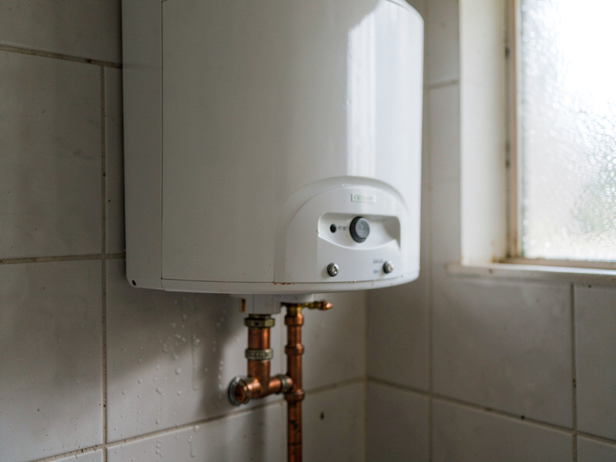
![Geyser's Morning Glow]()
Geyser's Morning Glow
Image credit : AI
Morning light catches condensation below the geyser, a reminder of home electricity consumption in winter.
Lighting Loads Are Small Per Bulb and Large in Aggregate
A single LED bulb drawing 9 watts costs almost nothing to run. A home with 20 such bulbs running an average of six hours a day spends roughly 32 units a month on lighting alone. Winter shortens daylight hours in most of northern India by 90 minutes to two hours compared to June, which means lights come on earlier and stay on longer. The load per bulb is not the problem. The number of hours and the number of rooms left lit are. Tube lights and decorative incandescent strings left over from festival season are the hidden contributors: a single 40-watt incandescent running five hours daily adds 6 units a month, which is more than two LED bulbs combined running the same hours.
Refrigerators Work Harder When the Kitchen Gets Cold
This is the counter-intuitive one. A refrigerator in a warm kitchen cycles its compressor more frequently to maintain internal temperature. In a cold kitchen, the compressor runs less, but the logic inverts for the freezer compartment if the ambient temperature drops below the freezer's target. More relevant in Indian winters is the habit of storing hot food in the fridge more often, since the kitchen feels less warm and the urgency to cool food before refrigerating it drops. A refrigerator's compressor working against a hot food load consumes measurably more energy than one maintaining already-cold contents. The refrigerator's annual consumption rating on the BEE star label is tested at a fixed ambient temperature; real consumption varies around that figure based on how the appliance is actually used.
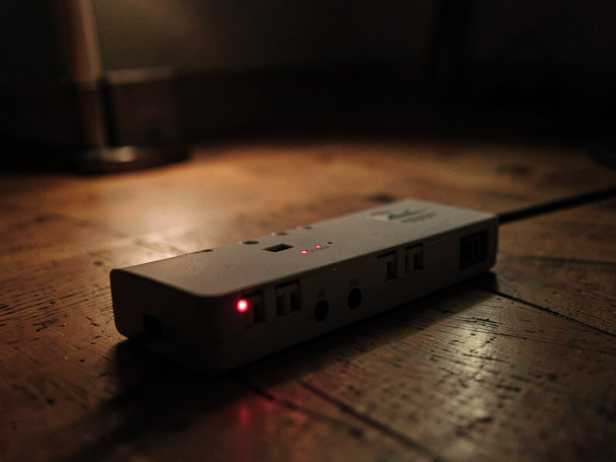
![Power Strip in Dim Light]()
Power Strip in Dim Light
Image credit : AI
I see a power strip with plugs inserted, its faint red lights hinting at home electricity consumption. A warm lamp illuminates the scene.
Phantom Loads Add Up Across Every Room
Chanakya wrote in the Arthashastra that a small leak, ignored, empties the largest vessel. Standby power is the electrical version of that observation. A set-top box left in standby draws 10 to 15 watts continuously. A television on standby draws 1 to 3 watts. A phone charger left plugged in with no phone attached draws 0.1 to 0.5 watts, negligible alone, but a home with eight such chargers and adapters plugged in around the clock accumulates roughly 3 units a month from that source alone. The set-top box is the worst offender in most Indian households: at 12 watts for 20 hours of standby daily, it adds 7 units a month. Switching it off at the power strip rather than the remote eliminates that load entirely.
Heating Appliances Arrive in Winter and Stay Longer Than Expected
An electric room heater rated at 1000 watts running for three hours an evening consumes 3 units a day, or roughly 90 units across a month. Two heaters running in two bedrooms doubles that figure. An electric blanket rated at 60 watts running through an eight-hour night uses less than half a unit per night, a far more efficient way to heat a sleeping person than heating the air in a room. Induction cooktops, which see heavier use in winter as families cook more hot meals, draw between 1200 and 2000 watts. A household that shifts from gas to induction for one meal a day adds 30 to 50 units monthly depending on what is being cooked and for how long. These appliances arrive at the same time the AC disappears, which is why the bill does not fall as far as expected: one category of high-wattage load replaces another.
The air conditioner was never the whole story, it was just the loudest chapter. A winter bill is the sum of a water heater running longer than it needs to, lights staying on through shorter days, phantom loads ticking through the night, and new heating appliances filling the gap the AC left. Each of those loads has a specific number attached to it. Once the number is visible, the choice of what to cut becomes straightforward.