Walk into almost any pet shop in India that sells rabbits or guinea pigs and you will find pellets front and centre. The packaging shows a healthy animal, the staff recommend a bowl twice a day, and the buyer leaves convinced they have the diet sorted. They do not. Both rabbits and guinea pigs are hindgut fermenters, meaning their digestive systems are designed to process fibrous plant material continuously, and hay is the only food that does this job correctly.
Why the Digestive System Demands Hay
Rabbits and guinea pigs share a digestive architecture built around constant fermentation. Food moves through a long, motile gut that relies on fibre to keep it contracting. When fibre intake drops, gut motility slows. In rabbits this leads to gastrointestinal stasis, a condition where the digestive tract essentially stops moving, which is one of the leading causes of death in pet rabbits worldwide. In guinea pigs, low-fibre diets cause similar slowdowns and compound into chronic bloating and weight problems. Hay provides the long-strand fibre that keeps this system running. Pellets, even high-quality ones, are too densely packed and too quickly consumed to do the same work.
![Golden Timothy Hay Pile]()
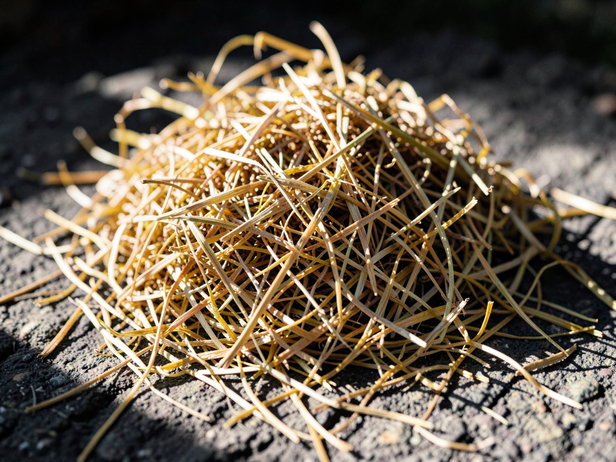
Golden Timothy Hay Pile
Image credit : AI
I capture the natural texture of timothy hay, essential for a rabbit diet. This image showcases its importance.
The Tooth Problem That Pellets Cannot Solve
Both species have teeth that grow continuously throughout their lives. The grinding action of chewing hay, a lateral, side-to-side motion that can take several hours a day, is what wears those teeth down at the correct rate. Pellets are soft and require almost no sustained chewing. An animal fed primarily on pellets will often develop dental malocclusion, where the teeth grow unevenly and begin to dig into the gum or tongue. Veterinary correction of molar spurs in rabbits and guinea pigs requires anaesthesia and specialist equipment, and it is expensive, painful, and recurring if the diet does not change. Hay is the only food that replicates the chewing load these animals evolved to handle.
What Hay to Source in India and How Much Is Enough
Timothy hay is the international standard for adult rabbits and guinea pigs, and it is available through several online pet retailers that ship across India, including to cities like Bengaluru, Mumbai, and Delhi. Orchard grass is a good alternative and often easier to find. Oat hay works as a supplement. Alfalfa hay is high in calcium and protein and is appropriate only for young animals under six months or nursing females, feeding it to healthy adults long-term contributes to bladder sludge and kidney stress in rabbits. The quantity is not a small handful. Both animals should have hay available at all times, in amounts larger than their own body size each day. A rabbit or guinea pig that runs out of hay for even a few hours is not being fed correctly. In Indian homes where humidity is high, hay must be stored in a breathable container away from moisture; damp hay grows mould and becomes dangerous.
![Pellets, Herbs, and Capsicum]()
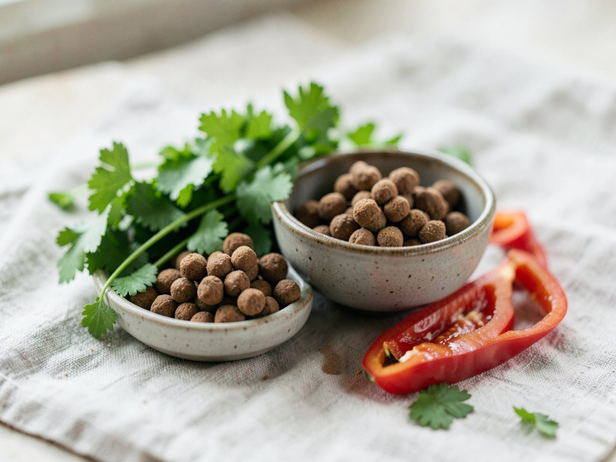
Pellets, Herbs, and Capsicum
Image credit : AI
I prepare a healthy meal, focusing on rabbit diet essentials like pellets and fresh greens.
Where Pellets and Fresh Greens Actually Fit
Pellets have a place, but it is a small one. For an adult rabbit weighing around two kilograms, a tablespoon to two tablespoons of plain, uniform pellets per day is sufficient. For a guinea pig, a similar small daily portion covers what hay and greens do not. Choose pellets with no added seeds, dried fruit, or coloured pieces, those additions are marketed at owners, not designed for the animal. Fresh leafy greens matter more than pellets as a supplement to hay. Coriander, mint, curry leaves, and fenugreek leaves are all safe for rabbits in moderate amounts. Guinea pigs, unlike rabbits, cannot synthesise vitamin C and require it through food daily; capsicum, coriander, and small amounts of citrus-adjacent greens cover this need. Introduce any new green slowly and watch for soft stool, which signals the gut needs more time to adjust.
Signs the Current Diet Is Wrong
An animal eating too few hay and too many pellets will show specific, recognisable signs. Soft, unformed droppings or a dramatic reduction in dropping count are the first indicators of a gut in trouble. Weight gain around the abdomen in guinea pigs often reflects a pellet-heavy diet. A rabbit that stops eating entirely, sits hunched, and has a distended abdomen needs a veterinarian the same day, this is stasis, and it is a medical emergency. Overgrown front teeth visible to the eye suggest the back molars are also problematic, even if you cannot see them. Any of these signs warrants a visit to an exotic animal vet, not a general small-animal practice, since rabbit and guinea pig medicine is a specialist area. The diet change itself is straightforward: reduce pellets gradually over two weeks, ensure hay is always present in quantity, and let the animal's gut recalibrate. Most owners report that once hay is freely available, the animal spends the majority of its waking hours eating it, which is exactly what the body was designed to do.