The camel numbers at Pushkar have been falling for more than a decade. In the early 2000s, estimates put attendance at over 50,000 camels. By the early 2020s, that figure had dropped to somewhere between 10,000 and 20,000, depending on the year and who is counting. The fair still draws tourists, still generates the photographs of decorated necks and painted hooves, but the livestock transaction at its centre, the actual reason the fair exists, is contracting in ways that are difficult to reverse.
What the Fair Was Built For
The Pushkar Camel Fair predates tourism by centuries. It grew as a seasonal convergence point for the Raika community, the hereditary camel breeders of Rajasthan, who drove their herds across the Thar Desert to trade with farmers, merchants, and the military. The camel was a working animal in the fullest sense: it carried goods, ploughed fields, provided milk, and moved armies. The fair was the annual market where that utility was priced and exchanged. Buyers came from across the region. Prices reflected demand. The Raika's livelihood depended on the transaction being real.
![Golden Hour Camel Silhouette]()
Golden Hour Camel Silhouette
Image credit : AI
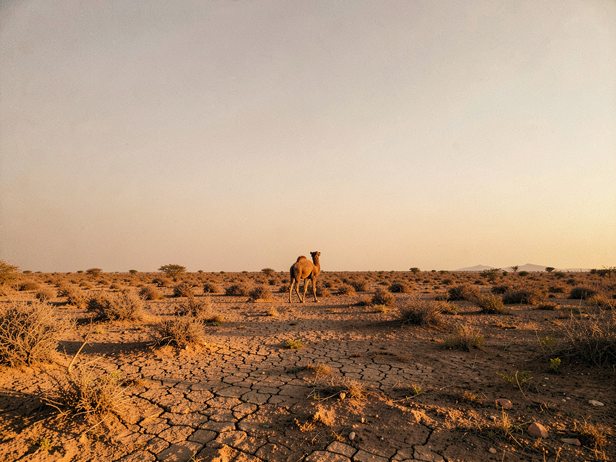
I witness the golden hour in Rajasthan, a lone camel against the amber sky. The decline of the camel trade India is a silent story here.
Why the Trade Is Collapsing
The camel's economic role has been replaced, function by function, over several decades. Tractors displaced camel-drawn ploughs through the 1970s and 1980s. Trucks replaced camel caravans on trade routes. The Indian Army, which once maintained large camel corps, reduced its requirements substantially. What remained was a residual market, tourism, ceremonial use, camel milk production, too small to sustain a breeding population of any scale. The Raika, who traditionally did not slaughter camels on religious grounds, found themselves holding animals with falling market value and rising maintenance costs. Rajasthan passed a law in 2015 prohibiting camel slaughter and the export of live camels across state lines, intended to protect the animal. In practice, it further restricted the already thin market, leaving breeders with fewer legal options for animals they could not sell or sustain.
What the Biology of the Camel Demands
The dromedary camel, Camelus dromedarius, is physiologically adapted to scarcity. It can lose up to 25 percent of its body weight in water without the cognitive impairment that would incapacitate most mammals, then rehydrate rapidly when water is available. Its red blood cells are oval rather than round, allowing blood to keep flowing at high viscosity during dehydration. These adaptations make it an extraordinary animal for arid environments, but they do not make it cheap to keep when grazing land is shrinking. The Thar Desert has faced increasing pressure from agricultural expansion and land privatisation, reducing the open rangeland the Raika traditionally used to graze their herds without cost. An animal built to walk vast distances for sparse forage does not thrive in a small enclosure on purchased feed. The economics of keeping a camel when you cannot sell it, cannot slaughter it, and cannot graze it freely become impossible quickly.
![Worn Camel Halter, Desert Grasses]()
Worn Camel Halter, Desert Grasses
Image credit : AI
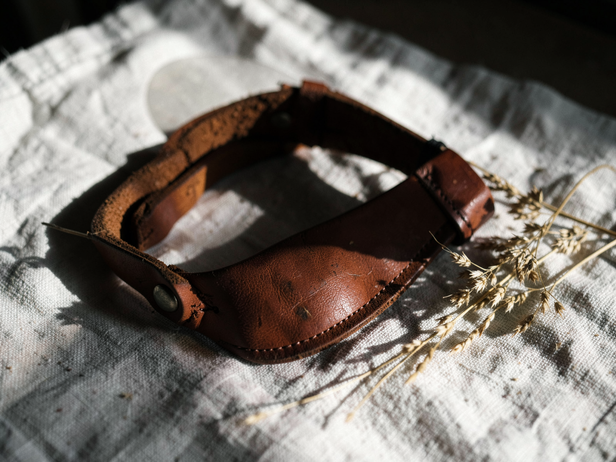
A relic of the Pushkar Camel Fair, this worn halter speaks of journeys and the enduring spirit of desert life.
The Tourist Layer and What It Obscures
The fair's transformation into a tourism event has created a surface appearance of vitality that the livestock numbers do not support. The Rajasthan government and private operators have built the spectacle, the camel races, the folk performances, the photography tours, into a significant revenue event. That revenue does not flow primarily to the Raika breeders. It flows to hospitality, transport, and the tourism infrastructure around Pushkar. The breeders who bring camels to the fair increasingly do so for the performance fees and the tourist photograph economy rather than for livestock sales. This is not nothing, but it is a different transaction entirely. It does not sustain breeding. It sustains display.
Where the Camel Goes From Here
A small but serious camel milk economy has developed in Rajasthan, with producers supplying urban markets and, in limited quantities, export. Organisations including Lokhit Pashu-Palak Sansthan, which works directly with the Raika, have argued for years that camel milk certification, fair pricing, and legal clarity around camel dairy could give breeders a sustainable income stream. The numbers are still small relative to what a full livestock trade once provided, but they represent a use case the camel is genuinely suited for: dromedary milk has a different fat and protein composition from cow milk and remains liquid at lower temperatures, properties that have attracted nutritional interest. Whether this scales fast enough to matter for the breeding population is an open question. The Pushkar fair, at its peak, moved tens of thousands of animals through a functioning market. The camel milk economy, as it currently exists, does not come close to replacing that. What the shrinking fair actually measures is the gap between those two things, and how much of it remains unfilled.