A dog's skin is not a smaller, furrier version of human skin. Its pH sits between 6.2 and 7.4, closer to neutral, while human skin runs acidic, between 4.5 and 5.5. That gap is not a minor detail. It determines whether the skin's acid mantle holds, whether opportunistic bacteria and fungi get a foothold, and whether a bath leaves the dog healthier or quietly more vulnerable.
Why the pH of Your Shampoo Is the First Thing That Matters
Human shampoos are formulated for our acidic skin. Used on a dog, they push the skin surface toward an acidity it is not built for, disrupting the protective barrier and stripping the sebum layer that keeps the coat water-resistant and the skin sealed. In India's humid coastal cities and during the monsoon months, a compromised barrier is not a cosmetic problem, it is an open invitation to Malassezia yeast and Staphylococcus bacteria, both of which thrive in warm, moist conditions and are among the most common causes of canine skin infections seen by veterinarians here. A shampoo labelled pH-balanced for dogs sits between 6.5 and 7.5. That label is not marketing. It is the only meaningful number on the bottle.
![Amber Dropper Bottles Still Life]()
Amber Dropper Bottles Still Life
Image credit : AI
I photographed these amber dropper bottles, focusing on natural light and texture. This still life evokes a sense of calm and simplicity.
How Often Is Too Often, and How Often Is Not Enough
There is no single correct frequency, because the answer depends on breed, coat type, lifestyle, and where in India the dog lives. A Labrador in Chennai during July is a different case from a Lhasa Apso in Shimla in December. As a working baseline, most short-coated dogs with no skin condition do well bathed every three to four weeks. Double-coated breeds, Huskies, German Shepherds, Golden Retrievers, can go four to six weeks between baths because their undercoat provides its own insulation and oil distribution; bathing them too often collapses that system. Dogs with skin folds, like Pugs and Bulldogs, need the folds wiped and dried regularly but their body bathed no more frequently than other dogs of similar coat type, because moisture trapped in folds after a bath is itself a problem. The sign that you are bathing too often is not a dirty coat, it is a coat that looks dull, feels brittle, and a dog that scratches more than usual in the days after a bath. The sebum is gone. The skin is trying to compensate.
Breed, Climate, and the Indian Context
Indian breeds, the INDog, the Rajapalayam, the Mudhol Hound, evolved in this climate and carry coats adapted to it. Their skin tends to be more resilient to heat and humidity than that of northern European breeds brought here, but they are not immune to the consequences of wrong-pH shampoos or over-bathing. Imported breeds like Huskies and Saint Bernards, increasingly popular in Indian cities, face a double challenge: a coat designed for cold and dry air, now living in heat and humidity, bathed more often than their skin can handle because owners assume a hot dog needs more washing. The opposite is usually true. Bathing removes the oils that help regulate skin temperature. In a Husky already struggling with Indian heat, that matters.
![Golden Hour Dog Portrait]()
Golden Hour Dog Portrait
Image credit : AI
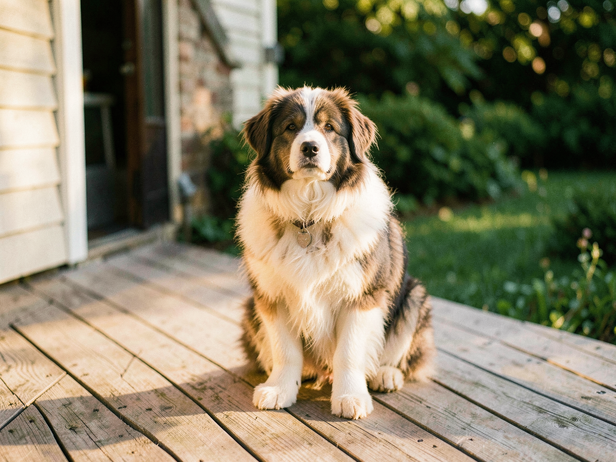
Enjoying the golden hour glow. My coat is catching the light beautifully. This is the best dog shampoo for Indian climate.
Choosing the Right Product
Look for shampoos that state a pH between 6.5 and 7.5, list no artificial fragrance in the top five ingredients, and are free of sulphates and parabens. Medicated shampoos, antifungal, antibacterial, or those containing chlorhexidine, exist for a reason, but they are not maintenance products. Used on a healthy dog without a diagnosed condition, they can disrupt the skin's normal microbial balance in the same way antibiotics affect gut flora. If a dog has recurring skin issues, the shampoo choice is a conversation for a veterinarian, not a packaging decision at a pet store. Oatmeal-based shampoos are a reasonable choice for dogs with sensitive or mildly irritated skin; oatmeal has a documented soothing effect on inflamed skin tissue and sits at a compatible pH. Beyond that, the ingredient list matters more than the brand name or the price.
The Bath Itself
Water temperature should be lukewarm, not cold, which causes muscle tension, and not warm by human standards, which is hot for a dog. Wet the coat thoroughly before applying shampoo; a dry coat resists even distribution and you end up using more product than necessary. Work the shampoo into the skin, not just over the surface of the coat, because the skin is what you are treating. Rinse longer than feels necessary. Shampoo residue left in the coat is one of the most common causes of post-bath itching, and it is entirely preventable. Dry the dog properly, a damp dog in a humid Indian home is a Malassezia incubator. A towel dry followed by a low-heat blow-dry, or time in a well-ventilated space, is not optional in the monsoon months. The bath is only as good as the dry.