A dog's breath is not supposed to smell like rot. When it does, the problem is almost never the mouth alone, tartar-covered teeth harbour bacteria that travel into the bloodstream and settle in the kidneys, liver, and heart valves. Dental scaling clears that load. But in India, the conversation between vet and owner tends to stop at one word: anaesthesia. What follows is usually a refusal, a delay, or a search for an 'anaesthesia-free' alternative that does not exist in any meaningful clinical form.
Why the Fear Took Root
Stories travel faster than statistics in pet-owner communities. A dog that did not wake up after a routine procedure, a cat that seized during recovery, these accounts circulate through WhatsApp groups and become the reference point for every owner who hears their vet recommend scaling. The fear is not irrational. General anaesthesia does carry risk. The question is how much, for which animal, under which conditions.
Older anaesthetic protocols, still in use at some low-cost clinics, relied on ketamine alone or on drug combinations that offered little margin for error. Monitoring was minimal: a hand on the chest, a glance at the gums. Under those conditions, the fear was proportionate. The problem is that owners are applying a 2005 risk estimate to a 2026 procedure.
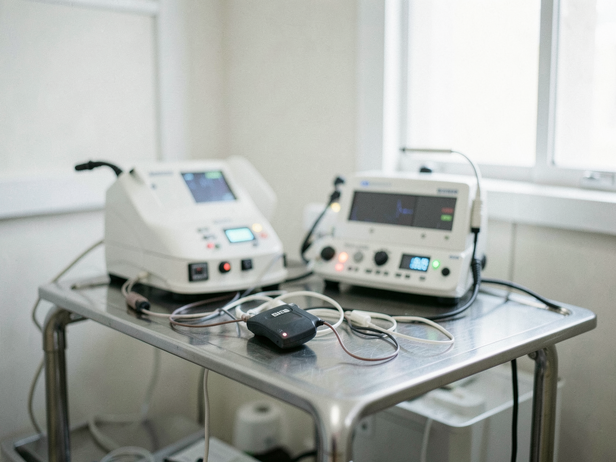
![Veterinary Monitoring Station Setup]()
Veterinary Monitoring Station Setup
Image credit : AI
Essential equipment for safe anaesthesia for dogs and cats during dental procedures.
What Monitoring Actually Means Now
A properly equipped veterinary clinic today runs a dental scaling patient on pulse oximetry, capnography, a blood pressure cuff, and ECG leads simultaneously. Pulse oximetry measures blood oxygen saturation in real time. Capnography measures exhaled carbon dioxide, which tells the anaesthetist whether the animal is breathing effectively, and catches respiratory depression before it becomes an emergency. Blood pressure monitoring catches hypotension, the most common anaesthetic complication in cats, early enough to correct it with a fluid rate adjustment rather than a crash response.
Isoflurane or sevoflurane, delivered through an endotracheal tube, replaced the old injectable-only protocols at most urban Indian veterinary hospitals. These inhalant agents are titratable, the depth of anaesthesia can be turned up or down like a dial, rather than waiting for an injected drug to wear off. The animal breathes the agent out. Control stays with the anaesthetist throughout.
Pre-anaesthetic bloodwork, a complete blood count and a basic metabolic panel, screens for kidney insufficiency, anaemia, and liver enzyme elevation before the animal goes under. These are the conditions that make anaesthesia genuinely dangerous. Finding them beforehand changes the protocol; missing them is what produces the outcomes that circulate in WhatsApp groups.
The Species Difference That Matters
Cats are not small dogs. Their anaesthetic physiology diverges in ways that matter for dental work specifically. Cats are obligate nasal breathers and their airways are narrow, making intubation more technically demanding. They are also more sensitive to certain drugs, acepromazine, for instance, causes profound hypotension in cats and most feline anaesthesia protocols avoid it entirely. Cats undergoing dental scaling benefit from a dedicated feline protocol, a cuffed endotracheal tube sized for a cat's trachea, and a vet or technician whose attention stays on the monitoring equipment rather than the mouth being cleaned.
Dogs tolerate a wider range of protocols, but brachycephalic breeds, Pugs, French Bulldogs, Shih Tzus, carry airway risk that requires specific management: a shorter induction time, immediate intubation, and extended recovery monitoring because their soft palate obstruction does not disappear when the anaesthesia does.
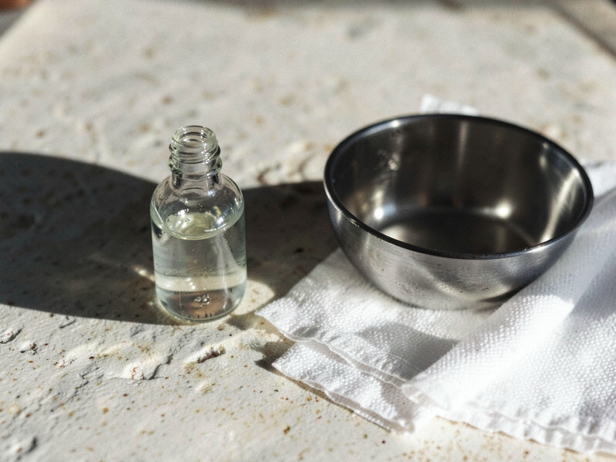
![Sterile Dental Supplies]()
Sterile Dental Supplies
Image credit : AI
Preparing for pet dental scaling India, sterile supplies await. Essential for safe anaesthesia for dogs and cats.
What Happens When Scaling Is Refused
Periodontal disease in dogs and cats progresses in four grades. Grade one is reversible with a professional clean. Grade four means bone loss around the tooth root, pain the animal cannot report, and extractions that require a longer anaesthetic event than a simple scaling would have. The owner who refuses anaesthesia at grade one often consents to it at grade four, for a procedure that carries more surgical risk, takes longer, and costs more.
The bacteria from advanced periodontal disease, Porphyromonas and Tannerella species among others, have been documented in cardiac lesions in dogs, a finding consistent with what periodontology established in human medicine decades ago. The mouth is not a sealed compartment. Every swallow moves its contents downstream.
Questions Worth Asking Before You Decide
A vet recommending dental scaling under anaesthesia should be able to answer four questions without hesitation: What monitoring equipment will be running throughout the procedure? Who is watching the monitors while the scaling happens, a separate technician, or the same person doing the dental work? What pre-anaesthetic bloodwork do you recommend for this animal's age and breed? What is your reversal or emergency protocol if the animal becomes unstable?
If the answers are vague, the problem is not anaesthesia, it is the specific clinic's setup. A different clinic, with a clear protocol and dedicated monitoring, changes the risk profile substantially. The decision to refuse anaesthesia entirely, at every clinic, based on fear of the word rather than the specific conditions, is the one that leaves periodontal disease to progress unchecked. The teeth do not wait for the owner to feel ready.