An outdoor animal in January is doing something metabolically expensive: generating heat. Every breath exhaled into cold air carries water vapour out of the body, and the physiological machinery that normally signals thirst, driven partly by rising blood osmolality, is blunted by cold exposure. The result is an animal that is losing water faster than it would in mild weather while simultaneously feeling less urge to replace it. That combination is the core of winter dehydration, and it runs quietly enough that most owners miss it until the signs are obvious.
The Biology Behind the Thirst Blunting
In warm conditions, the hypothalamus reads rising plasma osmolality, blood getting more concentrated, and triggers thirst. Cold exposure suppresses this response through a mechanism researchers call cold-induced diuresis: peripheral blood vessels constrict to protect core temperature, central blood volume rises, and the body interprets that central pooling as a signal that it is well-hydrated. It is not. It is just redistributed. The kidneys respond by increasing urine output to correct the perceived excess, which compounds fluid loss further. A 2006 study in the European Journal of Applied Physiology documented this response clearly in mammals under cold stress, finding that fluid loss continued even as subjective thirst fell. The animal's internal gauge is reading the wrong signal.
![Winter Water Bowl Frost]()
Winter Water Bowl Frost
Image credit : AI
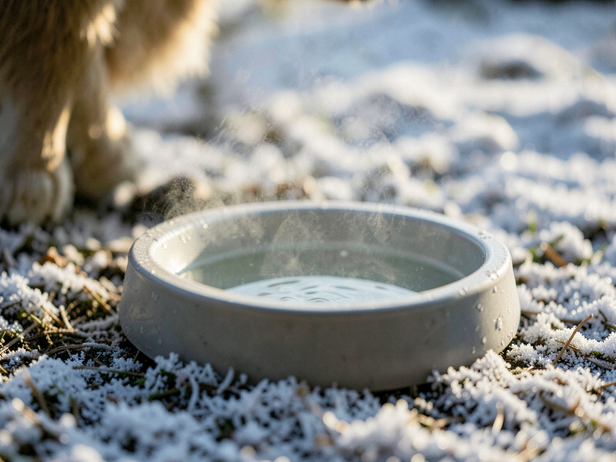
I see the subtle signs of how to keep outdoor pets hydrated in winter, even with frost on their water.
Which Animals Are Most Exposed
Dogs left in a yard for several hours daily are the most commonly affected domestic animals, but the risk profile differs by species. Dogs pant to thermoregulate even in cold weather during exertion, which accelerates respiratory water loss. Horses are particularly vulnerable because their water intake drops sharply when water temperature falls below 7°C, multiple studies in equine physiology have confirmed that horses prefer water between 7°C and 18°C and will reduce intake significantly when it is colder, even when freely available. Backyard chickens and ducks face a different problem: their drinkers freeze, removing access entirely for hours at a time. Outdoor cats, who range and self-regulate, are least observable and therefore most likely to go unnoticed until dehydration is advanced.
Reading the Signs Before They Become a Crisis
The standard skin-tent test, pinching the skin at the scruff and watching how quickly it snaps back, works across species. Slow return, more than two seconds, indicates dehydration that warrants attention. In dogs, dry or tacky gums, sunken eyes, and lethargy are reliable early markers. In horses, reduced gut sounds, infrequent urination, and dry manure are the indicators to check. Chickens show dehydration through pale combs and reduced egg production before any visible physical sign. One biological fact worth knowing: a dog's saliva contains mucins that keep gums slippery; when those gums feel sticky rather than slick, the animal is already meaningfully behind on fluid intake. Do not wait for visible lethargy, by that point the deficit is substantial.
![Winter Paddock Steam]()
Winter Paddock Steam
Image credit : AI
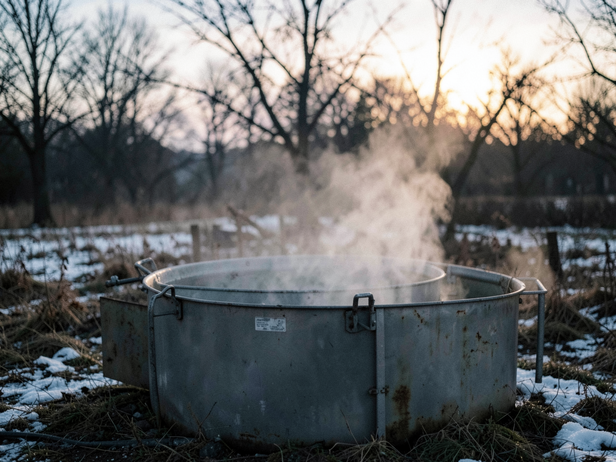
Ensuring outdoor animals drink less in cold weather is vital. This heated tank offers a vital water source.
Practical Interventions That Work With Animal Biology
The single most effective intervention for dogs and horses is warming the water. Tepid water, not hot, around 10°C to 15°C, removes the thermal disincentive to drinking without creating a new one. Heated water bowls with a thermostat are widely available and reliable for dogs; heated stock tank heaters serve the same purpose for horses and are standard equipment in colder climates. For chickens, breaking ice twice daily is the minimum; a submersible drinker heater is more reliable. Wet food is a legitimate supplementary strategy for dogs and cats, a single meal of wet food can add 150 to 200 ml of water to an animal's daily intake without requiring them to drink at all. For horses, adding water directly to feed, soaking hay or mixing water into a grain ration, achieves the same bypass. Electrolyte supplementation is sometimes recommended for horses in heavy winter work, but the dose and formulation are decisions for a veterinarian, not a general rule.
When to Involve a Vet
Mild dehydration, the skin-tent test showing slow return, gums slightly tacky, can usually be corrected at home by improving water access and temperature. Moderate to severe dehydration, where the animal is lethargic, has sunken eyes, or in a horse shows signs of impaction colic, requires veterinary assessment and likely fluid support. Impaction colic in horses is one of the most common winter emergencies in equine practice, and dehydration is a primary driver: dry, compacted feed material in the gut fails to move because there is not enough fluid to keep it mobile. If a horse has not defecated normally in 12 hours and is showing discomfort, that is a call to make immediately. For any animal showing neurological signs, stumbling, disorientation, collapse, dehydration has reached a point where home management is not appropriate. A vet can assess whether intravenous or subcutaneous fluids are needed and rule out underlying conditions that may be compounding the problem.