
What If Love Is Enough Without Marriage? The Millennial Mindset
Nidhi | Feb 11, 2025, 23:31 IST

Marriage
Image credit : Pexels
In a world where traditional values evolve with each generation, millennials are redefining love and commitment. This article delves into why many millennials believe love doesn’t require the formality of marriage. It explores their perspective on modern relationships, freedom, and emotional fulfillment, with thought-provoking insights on why love, in its purest form, might be enough.
What if the search for the perfect relationship is the illusion?
For generations, marriage was the ultimate destination—a seal of forever love, a socially approved ritual marking adulthood and stability. But for millennials, the story unfolds differently. They aren’t abandoning love; they’re questioning its confines.
This generation is redefining what it means to be in love. It’s not about ticking boxes, signing papers, or following the same roadmap laid out for generations before them. Instead, it’s about finding authenticity, emotional fulfillment, and freedom within relationships—even if it doesn’t come with a ring.
So, why does marriage feel optional to millennials, while love remains essential? Here’s a closer look at the mindset behind this shift.
1. The Illusion of the Perfect Love Story
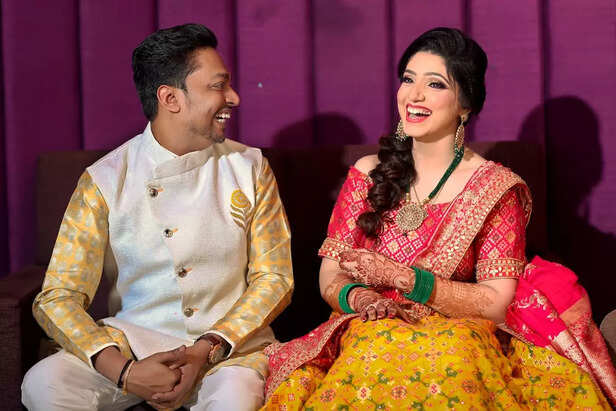
Marriage
Image credit : Pexels
Millennials grew up surrounded by romanticized love stories—Disney princesses, dreamy Bollywood songs, and Hollywood rom-coms. But reality hit hard when they realized that love is messy, imperfect, and rarely follows a script.
Rather than chasing an idealized "happily ever after," they prefer relationships that allow space for growth, vulnerability, and authenticity. Perfection is not the goal; peace and connection are.
In a world where nothing feels permanent, millennials seek love that flows, transforms, and adapts without rigid definitions or societal pressure.
2. Freedom First, Love Follows

Dating
Image credit : Pexels
For many millennials, the idea of tying themselves to one person forever feels overwhelming, not romantic. It’s not a fear of commitment—it’s a desire for a love that feels like freedom, not obligation.
This generation wants relationships that evolve naturally, without the artificial timeline society once imposed. They value fluidity over structure and prefer to let love unfold at its own pace.
Love is not a contract; it’s a living experience.
3. The Weight of Financial Anxiety

Love-Hate Trap
Image credit : Pexels
Financial security plays a significant role in the millennial perspective on marriage. Burdened by student loans, rising housing costs, and job instability, this generation isn’t in a hurry to add wedding expenses or shared debt to their lives.
Instead, they invest in experiences—traveling, building careers, and finding themselves. For them, marriage is no longer a financial or social necessity, but an optional chapter in life’s journey.
They’d rather share a simple, meaningful life with a partner than force a grand narrative built on societal expectations.
4. Witnessing Divorce and Broken Marriages

Breaking up in Marriage
Image credit : Pexels
Many millennials witnessed the painful unraveling of their parents’ marriages. They grew up in homes where promises were broken, where “forever” ended in courtrooms.
This experience left them cautious, thoughtful, and less willing to rush into traditional commitments. Rather than follow the same path, they prefer to take their time, nurture connections, and build strong foundations before considering marriage.
For some, partnership without paperwork feels like a safer, more honest reflection of love.
5. Love Beyond Labels
Millennials are reshaping love into something boundless—something that doesn’t require validation from religious or legal institutions. Love exists in shared laughter, mutual respect, and silent support in times of crisis. It doesn’t need a wedding to make it real.
They are deeply connected to the idea that relationships can be fluid and diverse—romantic, platonic, or somewhere in between. What matters is the depth of the connection, not the label society assigns it.
6. Emotional Health Over Social Status
Unlike previous generations that prioritized social validation through marriage, millennials prioritize mental and emotional health. They reject the idea that marriage is an inevitable life milestone.
In their relationships, emotional support and growth are non-negotiables. Self-love is the foundation—a far cry from the codependent models of love from the past. They won’t marry to fit into a timeline; they’ll wait for a connection that feels right.
7. Technology: A Double-Edged Sword
Dating apps have revolutionized how millennials find love. The abundance of choice and instant connection makes it easier to meet people but harder to build lasting bonds.
With love so accessible, the idea of settling down feels premature. Why stop searching when there’s always another potential connection waiting? This endless pursuit creates a paradox: freedom to choose but fear of missing out.
8. Redefining What Love Looks Like

Love Beyond Labels
Image credit : Pexels
For millennials, love is about moments of deep connection and joy, not a lifelong guarantee. They believe in being present, in nurturing love for as long as it feels right.
Marriage may still be part of the journey for some, but for many, it’s no longer the only way to define success in love.
The Bhagavad Gita reminds us: “When your mind is calm, you are already home.” This wisdom reflects the millennial mindset—they seek peace and connection over social validation.
Love Is Evolving, Not Disappearing
So, the question isn’t why millennials are avoiding marriage. The real question is: What if love was never meant to be confined by the rituals of the past?
What if the truest kind of love is the one that grows in its own time, free from expectations—limitless, boundless, and real?