The last message is usually something ordinary. A reminder about a doctor's appointment. A forwarded joke. "Reached home?" with a single blue tick that never became two. You have read it so many times you no longer see the words, only the timestamp.
Why the Archive Button Feels Like a Second Death
![Morning Light on Memories]()
Morning Light on Memories
Image credit : AI
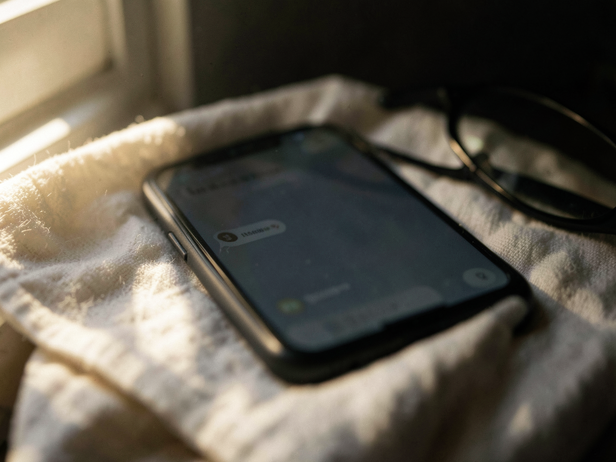
A quiet moment with a WhatsApp thread from a deceased parent, bathed in gentle morning light. Holding onto messages from a loved one.
Archiving is what you do with conversations that are finished but not worth deleting. A school group. A work thread from a project that ended. The archive is for things that concluded. This one did not conclude. It stopped.
There is a difference, and your hands know it even when your mind tries to be practical. The archive would not erase anything. The messages would still be there, retrievable, safe. But they would be one tap further away, sorted under a heading that signals dormancy. And dormancy is not what this is. This is the opposite of dormancy. This is the most alive folder on your phone.
The Voice That Only Lives There Now
Grief researchers who study continuing bonds, the psychological framework describing ongoing relationships with the dead, have found that people actively maintain connections through objects, places, and preserved communication. The WhatsApp thread is not a symptom of not moving on. It is a bond object. A deliberate one.
What makes it different from a photograph is syntax. A photo shows you how they looked. The thread shows you how they thought in real time, how they punctuated, whether they used full stops or let sentences trail, whether they sent three short messages in a row or one long one they clearly edited. The thread has their rhythm. Their impatience. Their particular way of saying your name when they needed something versus when they were just glad you picked up.
You cannot get that anywhere else. Not from memory, which softens and edits. Not from other people's stories about them, which are accurate but not addressed to you. Only here.
What You Are Actually Doing When You Open It
![Lingering Dusk, Cold Tea]()
Lingering Dusk, Cold Tea
Image credit : AI
A quiet moment of reflection, a cold cup of tea beside a phone, a poignant reminder of keeping messages from someone who died.
Most people who keep the thread open do not read it daily. They open it at specific moments: a birthday, a day that would have mattered to them, a piece of news they would have been the first person you called. Sometimes just a Tuesday that is going badly and you want to see their name at the top of the screen.
This is not the same as being stuck. Being stuck is when the grief prevents you from being present in your own life. Opening a thread to feel close to someone for four minutes and then putting your phone down and making dinner is not being stuck. It is the opposite: it is managing the distance.
The thread is a place you can visit without anyone needing to know you went. Grief is relentlessly social in the early months, everyone wants to know how you are, everyone has a story about their own loss, everyone means well and makes it slightly about themselves. The thread asks nothing. It just holds what it holds.
The Particular Cruelty of the Platform
WhatsApp was not designed for this. The interface assumes both people are alive and occasionally busy. It shows you when they were last seen, until it doesn't, and then that absence becomes its own kind of marker. It suggests you add them to a group. It keeps their contact photo current, or it doesn't, depending on what you did with their number.
The app has no mode for this. There is no way to pin a thread as memorial, no way to lock it so you cannot accidentally swipe to archive it, no way to mark it as something other than a conversation you simply haven't responded to. The interface treats your most important folder as an administrative oversight.
And yet people keep it anyway, navigating around the platform's indifference. They move the thread to the top by sending themselves a message and then deleting it. They screenshot individual messages and save them to albums. They do workarounds the app never intended because the app never imagined them.
On Whether You Should Archive It Eventually
There is no should here. No timeline. No stage of grief at which the thread stops being what it is and becomes clutter. Anyone who has offered you a version of "eventually you'll be ready to let go" was talking about their own discomfort with your grief, not about what you actually need.
Some people archive after years, and it feels like a choice they made rather than something that happened to them. Some people never archive, and the thread is still there when they die, inheriting a phone that is also a small archive of a person who loved them. Both are fine. The thread does not need to be resolved. It is not a problem.
What it is: the last room in a house that otherwise no longer exists. You do not have to close the door. You do not have to go in every day. You just have to know it is there, at the top of the list, holding everything they ever typed to you, in their own words, at the exact moment they meant them.