
10 Things You Must Not Do as Snake Year Ends & Horse Year Begins On 17 Feb
Riya Kumari | Feb 17, 2026, 01:59 IST

Horse year
Image credit : AI
The first day is treated as a seed. The first sunrise of the Lunar New Year is believed to set the rhythm for the next twelve months. That is why what you avoid on this day matters as much as what you celebrate. When a year changes, fortune is considered fragile like incense smoke just beginning to rise. And how you behave in those first hours determines how it continues to burn.
On 17 February, the lunar calendar turns - closing the Year of the Snake and welcoming the Year of the Horse in the Chinese zodiac cycle. The Snake is associated with wisdom, strategy, secrecy, and quiet transformation. The Horse, by contrast, represents speed, movement, freedom, visibility, and bold action. Because the first day of the Lunar New Year sets the tone for the entire year, Chinese customs developed very specific taboos.
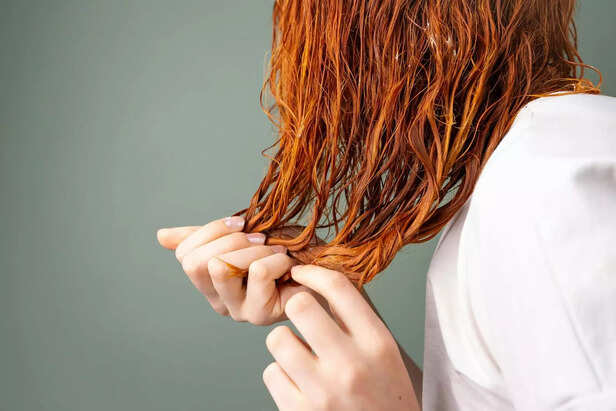
Do Not Wash or Cut Your Hair
![Shampoo]()
In Mandarin, hair (发 fa) sounds like 发 (fa), meaning prosperity or wealth, as in 发财 (fa cai, to become rich). Washing or cutting hair on New Year’s Day is believed to “wash away” or “cut off” your fortune at the very start of the year. Traditionally, people cut their hair before New Year’s Eve to remove old energy. But once the new year arrives, you preserve what has just entered your life.
Do Not Argue or Quarrel
The first words spoken in a new year are believed to shape its tone. Conflict, shouting, or harsh speech is said to attract negative life energy and relational disharmony for the coming months. The Chinese cultural value of harmony is especially emphasized at the year’s beginning. Maintaining peace is not just politeness; it is considered fortune protection.
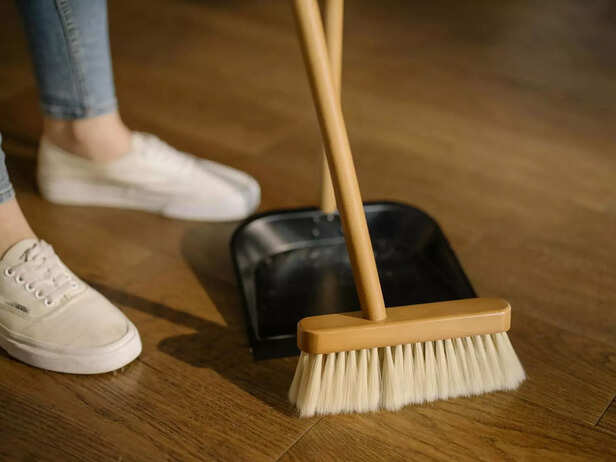
Avoid Cleaning, Sweeping, Vacuuming, or Taking Out Trash
![Broom]()
On New Year’s Eve, homes are thoroughly cleaned to remove bad luck from the old year. But on the first day of the New Year, sweeping or taking out trash is believed to sweep away newly arrived good fortune. In old China, households even hid brooms away to avoid accidental sweeping. If sweeping was unavoidable, it had to be done inward - symbolically keeping luck inside.
Avoid Wearing Clothes With Holes or Damage
Clothing represents dignity and status. Starting the year in torn or damaged clothes symbolized poverty or hardship ahead. Traditionally, families bought new clothes for New Year to represent renewal, prosperity, and upward movement in life. The act was both symbolic and celebratory.
Do Not Lend Money or Collect Debts
![Money]()
If you lend money on New Year’s Day, tradition says you will keep lending all year. If you demand repayment, it implies financial pressure and scarcity will follow you through the year. Historically, all debts were expected to be settled before New Year’s Eve so that families could enter the new year free from financial burden.
Do Not Cry, Complain, or Use Negative Words
Crying on the first day is believed to bring tears throughout the year. Even unlucky words like “death,” “sickness,” “poverty,” or “loss” are avoided. This practice connects to the deep Chinese belief in the power of language that spoken words influence fate. Children are traditionally not scolded on this day to preserve joyful energy.
Do Not Wear Black or White - Wear Red Instead
![Black or white clothes]()
In Chinese culture, white and black are associated with funerals and mourning. Red symbolizes luck, happiness, protection, and celebration. It is believed to scare away evil spirits and misfortune - a belief rooted in the legend of the monster Nian, who feared loud sounds and the color red. That is why red decorations, red lanterns, and red envelopes dominate the festival.
Do Not Break Glass or Ceramics
Breaking objects symbolizes broken luck or broken relationships. If something accidentally breaks, people traditionally say auspicious phrases like “岁岁平安” (peace year after year) to neutralize the bad omen. Ceramics especially symbolize wholeness and family unity - so keeping them intact matters.
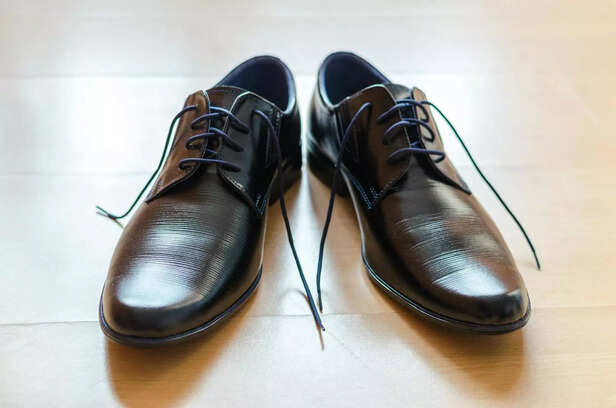
Do Not Buy Shoes
![Shoes]()
In Cantonese, the word for shoes sounds like a sighing or rough sound, associated with hardship. Because of this homophone, buying shoes on New Year’s Day is believed to invite difficulty or struggle in the coming year. Wordplay plays a major role in many Chinese New Year customs.
Avoid Using Scissors, Needles, or Knives
Sharp objects are believed to “cut off” good fortune. Scissors and knives represent separation or division. In older traditions, women avoided needlework on New Year’s Day because stitching symbolized “piercing” or harming future luck. The symbolism is direct: do not cut, slice, or sever the blessings that have just arrived.
Do Not Wash or Cut Your Hair
Shampoo
Image credit : Pexels
In Mandarin, hair (发 fa) sounds like 发 (fa), meaning prosperity or wealth, as in 发财 (fa cai, to become rich). Washing or cutting hair on New Year’s Day is believed to “wash away” or “cut off” your fortune at the very start of the year. Traditionally, people cut their hair before New Year’s Eve to remove old energy. But once the new year arrives, you preserve what has just entered your life.
Do Not Argue or Quarrel
The first words spoken in a new year are believed to shape its tone. Conflict, shouting, or harsh speech is said to attract negative life energy and relational disharmony for the coming months. The Chinese cultural value of harmony is especially emphasized at the year’s beginning. Maintaining peace is not just politeness; it is considered fortune protection.
Avoid Cleaning, Sweeping, Vacuuming, or Taking Out Trash
Broom
Image credit : Pexels
On New Year’s Eve, homes are thoroughly cleaned to remove bad luck from the old year. But on the first day of the New Year, sweeping or taking out trash is believed to sweep away newly arrived good fortune. In old China, households even hid brooms away to avoid accidental sweeping. If sweeping was unavoidable, it had to be done inward - symbolically keeping luck inside.
Avoid Wearing Clothes With Holes or Damage
Clothing represents dignity and status. Starting the year in torn or damaged clothes symbolized poverty or hardship ahead. Traditionally, families bought new clothes for New Year to represent renewal, prosperity, and upward movement in life. The act was both symbolic and celebratory.
Do Not Lend Money or Collect Debts

Money
Image credit : Pexels
If you lend money on New Year’s Day, tradition says you will keep lending all year. If you demand repayment, it implies financial pressure and scarcity will follow you through the year. Historically, all debts were expected to be settled before New Year’s Eve so that families could enter the new year free from financial burden.
Do Not Cry, Complain, or Use Negative Words
Crying on the first day is believed to bring tears throughout the year. Even unlucky words like “death,” “sickness,” “poverty,” or “loss” are avoided. This practice connects to the deep Chinese belief in the power of language that spoken words influence fate. Children are traditionally not scolded on this day to preserve joyful energy.
Do Not Wear Black or White - Wear Red Instead

Black or white clothes
Image credit : Pexels
In Chinese culture, white and black are associated with funerals and mourning. Red symbolizes luck, happiness, protection, and celebration. It is believed to scare away evil spirits and misfortune - a belief rooted in the legend of the monster Nian, who feared loud sounds and the color red. That is why red decorations, red lanterns, and red envelopes dominate the festival.
Do Not Break Glass or Ceramics
Breaking objects symbolizes broken luck or broken relationships. If something accidentally breaks, people traditionally say auspicious phrases like “岁岁平安” (peace year after year) to neutralize the bad omen. Ceramics especially symbolize wholeness and family unity - so keeping them intact matters.
Do Not Buy Shoes
Shoes
Image credit : Pexels
In Cantonese, the word for shoes sounds like a sighing or rough sound, associated with hardship. Because of this homophone, buying shoes on New Year’s Day is believed to invite difficulty or struggle in the coming year. Wordplay plays a major role in many Chinese New Year customs.
Avoid Using Scissors, Needles, or Knives
Sharp objects are believed to “cut off” good fortune. Scissors and knives represent separation or division. In older traditions, women avoided needlework on New Year’s Day because stitching symbolized “piercing” or harming future luck. The symbolism is direct: do not cut, slice, or sever the blessings that have just arrived.