
12 Hanuman Temples That Have Been Worshipped for Over 1,000 Years
Nidhi | Feb 09, 2026, 12:30 IST

Hanuman Temple
Image credit : Ai
A detailed exploration of 12 Hanuman temples across India that are over a thousand years old and continue to be actively worshipped today, tracing their historical origins, religious significance, and uninterrupted devotional traditions.
“न भयम् न च क्लेशः, यत्र वीर हनुमान्।”
There are few deities in India whose presence feels as immediate and personal as Hanuman’s. He is not worshipped from a distance but remembered in moments of fear, exhaustion, and quiet resolve. Long before temples became monuments, Hanuman became a companion in human struggle.
Scattered across India are Hanuman temples that are not just centuries old, but over a thousand years in continuous worship. They have survived invasions, collapsing empires, and changing beliefs not because they were protected by kings, but because people never stopped coming to them. These temples are not relics of the past. They are living proof that faith rooted in courage and devotion does not age.
![Hanuman ji]()
Perched on a hill overlooking Ayodhya, Hanuman Garhi is believed to predate the second millennium. Tradition holds that Hanuman lived here to guard Lord Rama’s birthplace. The temple architecture reflects early North Indian styles, while its spiritual role as a protector shrine remains unchanged. Devotees still begin their Ayodhya pilgrimage here, reinforcing its ancient status as a gateway of faith.
Associated with Goswami Tulsidas, this temple has roots that go back well over a thousand years through earlier Hanuman worship traditions at the site. The name Sankat Mochan means remover of troubles, a role the deity has symbolized in Indian spiritual thought since early Ramayana traditions. Continuous worship and scriptural recitations have preserved its sanctity across centuries.
This towering Hanuman idol carved directly from rock is believed to date back to the early Pallava period. Standing nearly eighteen feet tall, the deity faces the Narasimha shrine nearby, symbolizing protection and vigilance. The temple reflects ancient South Indian Shaivite and Vaishnavite integration, showing how Hanuman worship adapted across regions.
Located near the ruins of the Vijayanagara Empire, this temple is traditionally believed to be Hanuman’s birthplace, as Anjanadri Hill. Inscriptions and oral traditions trace worship here to well before the empire itself. Even after Hampi’s destruction in the 16th century, Hanuman devotion here never ceased, making it one of the oldest continuously worshipped sites.
![Humility of the Mighty]()
While the present structure is later, the Hanuman idol worshipped here is believed to be over a thousand years old. The temple gained prominence due to uninterrupted devotional traditions linked to Shakti and Vaishnav practices. Salasar reflects how ancient idols often outlast the buildings that house them.
This temple is rooted in medieval Hanuman worship traditions that emphasize protection from negative forces. Historical references suggest the shrine existed in some form for over a millennium. Its unique rituals reflect folk and classical Hindu practices blending into one continuous belief system.
Situated at Shimla’s highest point, this temple is traditionally linked to the Ramayana era, where Hanuman rested while fetching the Sanjeevani herb. Archaeological and textual references suggest organized worship here long before modern Shimla existed, placing the shrine well beyond the thousand-year mark.
While the towering modern statue is recent, the original shrine beneath it has ancient roots tied to early Anjaneya worship in the Krishna river belt. Local records and temple lore trace ritual continuity for over a millennium, reflecting how ancient temples evolve physically but remain spiritually intact.
Set on a hillside where a natural spring flows over Hanuman’s idol, this shrine is deeply connected to Ramayana traditions. Chitrakoot itself has been a pilgrimage center since ancient times, and Hanuman Dhara has seen uninterrupted worship through centuries of political change.
Believed to have been established during the early Chalukya period, this temple survived even under medieval rule due to its spiritual significance and local reverence. The name Karmanghat comes from a legend of divine intervention, but historically, its continuity of worship marks its antiquity.
This temple’s origins trace back to early medieval Gujarat when Hanuman worship expanded with trade and urban centers. Though renovated over time, the core sanctum and devotional practices reflect more than a thousand years of continuous belief.
![Lord Hanuman]()
Integrated within the famous Hoysala temple complex, this Hanuman shrine dates back to the 12th century. It highlights how Hanuman was an essential part of temple ecosystems rather than a separate cult, reinforcing his timeless role as Rama’s eternal servant.
There are few deities in India whose presence feels as immediate and personal as Hanuman’s. He is not worshipped from a distance but remembered in moments of fear, exhaustion, and quiet resolve. Long before temples became monuments, Hanuman became a companion in human struggle.
Scattered across India are Hanuman temples that are not just centuries old, but over a thousand years in continuous worship. They have survived invasions, collapsing empires, and changing beliefs not because they were protected by kings, but because people never stopped coming to them. These temples are not relics of the past. They are living proof that faith rooted in courage and devotion does not age.
1. Hanuman Garhi
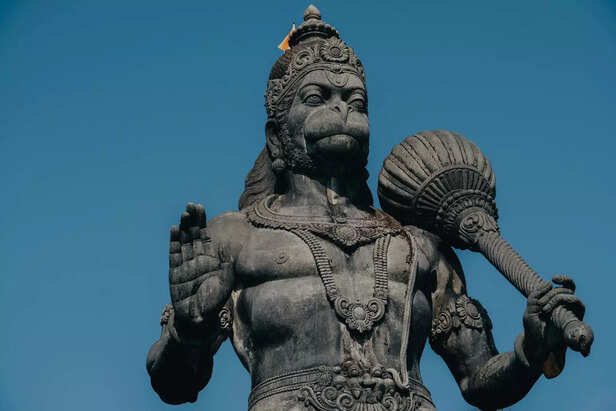
Hanuman ji
Image credit : Pexels
Perched on a hill overlooking Ayodhya, Hanuman Garhi is believed to predate the second millennium. Tradition holds that Hanuman lived here to guard Lord Rama’s birthplace. The temple architecture reflects early North Indian styles, while its spiritual role as a protector shrine remains unchanged. Devotees still begin their Ayodhya pilgrimage here, reinforcing its ancient status as a gateway of faith.
2. Sankat Mochan Hanuman Temple
3. Namakkal Anjaneyar Temple
4. Anjaneya Temple Hampi
5. Salasar Balaji Temple
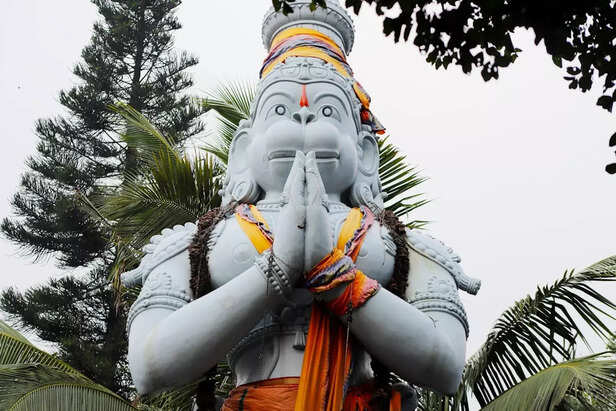
Humility of the Mighty
Image credit : Pexels
While the present structure is later, the Hanuman idol worshipped here is believed to be over a thousand years old. The temple gained prominence due to uninterrupted devotional traditions linked to Shakti and Vaishnav practices. Salasar reflects how ancient idols often outlast the buildings that house them.
6. Mehandipur Balaji Temple
7. Jakhoo Hanuman Temple
8. Paritala Anjaneya Temple
9. Hanuman Dhara
10. Karmanghat Hanuman Temple
11. Camp Hanuman Temple
12. Chennakesava Hanuman Shrine
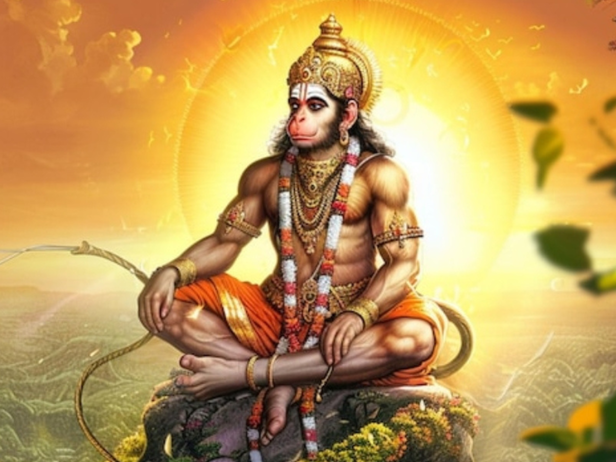
Lord Hanuman
Image credit : Freepik
Integrated within the famous Hoysala temple complex, this Hanuman shrine dates back to the 12th century. It highlights how Hanuman was an essential part of temple ecosystems rather than a separate cult, reinforcing his timeless role as Rama’s eternal servant.