
12 Countries Where Lord Ram Is Part of History & Worshipped Beyond India
Riya Kumari | Mar 24, 2026, 17:00 IST

Lord ram
Image credit : AI
Ramayana is not preserved as a single fixed text but as a flexible narrative that adapts to culture, religion, and geography. Names change, characters evolve, and interpretations shift, yet the central story remains identifiable. This widespread presence across continents makes the Ramayana one of the most culturally adapted epics in human history.
The Ramayana did not remain limited to India. Over centuries, it travelled through trade routes, kingdoms, and religious exchanges into Southeast Asia, East Asia, and Central Asia. In each region, it was not simply translated but reshaped into local culture, language, and belief systems. Today, there are said to be over 300 versions of the Ramayana across the world, each preserving the core story while reflecting regional identity.
Thailand
![Thailand]()
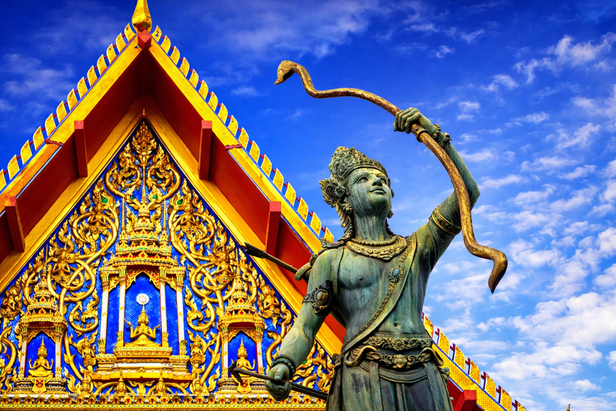
In Thailand, the Ramayana is known as Ramakien, where Lord Ram is called Phra Ram. This version is deeply tied to the Thai monarchy, with kings adopting the title “Rama.” The story is visually preserved in elaborate murals inside Wat Phra Kaew in Bangkok. Unlike the Indian version, Hanuman’s character is more dominant and expressive, and the epic is closely linked to royal power and state identity.
Indonesia
In Indonesia, especially in Java and Bali, the epic exists as the Kakawin Ramayana, written around the 9th century. While the first half closely follows the original story, the later sections diverge significantly, introducing local figures like Semar and the Punokawan clowns. The story is carved into the walls of Prambanan temple and performed through Ramayana ballet and shadow puppetry, making it both a literary and living performance tradition.
Cambodia
![Cambodia]()
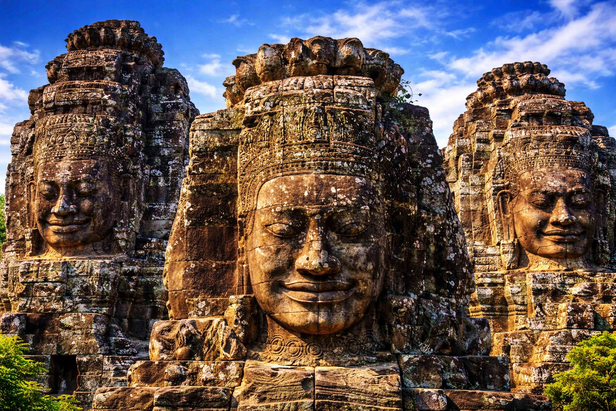
In Cambodia, the Ramayana is called Reamker, meaning “Glory of Rama,” and Lord Ram is known as Preah Ream. The story is carved into the bas-reliefs of Angkor Wat and Angkor Thom, showing its importance in Khmer civilization. A unique addition here is the episode of Hanuman and the mermaid princess, which does not exist in the Indian version, reflecting local storytelling influence.
Laos
In Laos, the epic becomes Phra Lak Phra Ram, where Ram is treated as a previous incarnation of Buddha. The story shifts from a Hindu epic to a Buddhist Jataka narrative, and instead of being set near Indian rivers, it is localized along the Mekong River. This transformation reflects how the story was adapted to align with Buddhist philosophy and geography.
Myanmar
![Myanmar]()
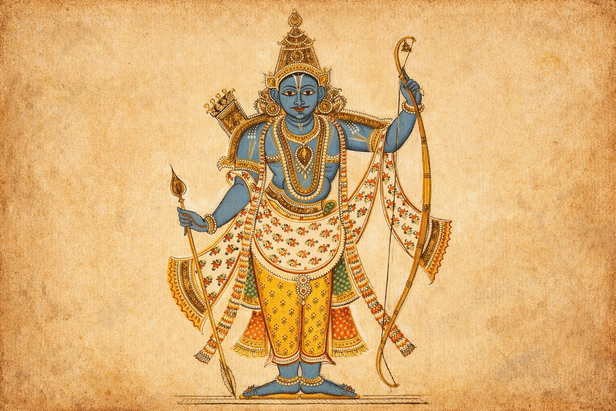
In Myanmar, the Ramayana is known as Yama Zatdaw, where Ram is called Yama and Sita becomes Thida. This version is widely performed through traditional theatre and dance. It carries strong Buddhist influence and has also absorbed elements from Thai adaptations, making it a blend of multiple regional traditions.
Philippines
In the Philippines, particularly in Mindanao, the Ramayana influence appears in the Darangen epic and the story of Maharadia Lawana. Here, the structure of the story changes so much that the characters and plot are almost unrecognizable, yet the underlying narrative of conflict and heroism remains rooted in Ramayana tradition.
Malaysia
![Malaysia]()
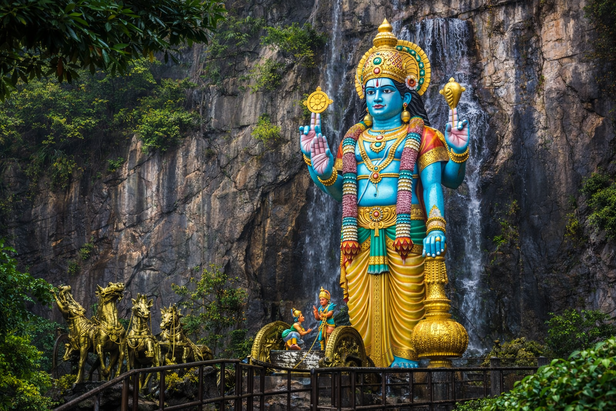
In Malaysia, the story appears as Hikayat Seri Rama, where Ram is called Seri Rama. Written between the 13th and 17th centuries, this version blends Hindu storytelling with Islamic and Malay traditions. Interestingly, some adaptations portray Ravana as more just and noble than Rama, showing how the moral perspective of the story can shift across cultures.
China
In China, the Ramayana does not exist as a complete epic but appears in fragments through Buddhist manuscripts found in the Dunhuang caves. These versions came through the transmission of Jataka tales, where Rama is represented as a moral figure rather than a divine king, showing how the story adapted into Buddhist literature.
Sri Lanka
![Sri lanka]()
In Sri Lanka, the story appears in the Dasaratha Jataka, where Rama is portrayed as a Bodhisattva. This Buddhist version presents the story as a moral narrative rather than a divine epic. Additionally, several locations in Sri Lanka are linked to Ramayana tourism, connecting mythology with geography.
Japan
In Japan, versions like Ramaensho or Ramaenna exist only in fragments. These adaptations likely reached Japan through China and Buddhist routes. While not widely practiced today, they indicate how far the story travelled and how it was preserved in literary traces rather than active tradition.
Nepal
![Nepal]()
In Nepal, the Ramayana exists strongly through the Bhanubhakta Ramayana and through cultural practices in Janakpur, believed to be Sita’s birthplace. Festivals like Vivaha Panchami reenact the marriage of Ram and Sita, making the story not just literature but an active cultural tradition tied to place and identity.
Khotan Region
In the Khotan region of Central Asia, fragments of the Ramayana have been found in manuscripts along the Silk Route. These versions are influenced by Tibetan and Buddhist storytelling traditions, showing how the epic travelled through trade networks and adapted to different cultural frameworks.
Thailand
Thailand
Image credit : AI
In Thailand, the Ramayana is known as Ramakien, where Lord Ram is called Phra Ram. This version is deeply tied to the Thai monarchy, with kings adopting the title “Rama.” The story is visually preserved in elaborate murals inside Wat Phra Kaew in Bangkok. Unlike the Indian version, Hanuman’s character is more dominant and expressive, and the epic is closely linked to royal power and state identity.
Indonesia
In Indonesia, especially in Java and Bali, the epic exists as the Kakawin Ramayana, written around the 9th century. While the first half closely follows the original story, the later sections diverge significantly, introducing local figures like Semar and the Punokawan clowns. The story is carved into the walls of Prambanan temple and performed through Ramayana ballet and shadow puppetry, making it both a literary and living performance tradition.
Cambodia
Cambodia
Image credit : AI
In Cambodia, the Ramayana is called Reamker, meaning “Glory of Rama,” and Lord Ram is known as Preah Ream. The story is carved into the bas-reliefs of Angkor Wat and Angkor Thom, showing its importance in Khmer civilization. A unique addition here is the episode of Hanuman and the mermaid princess, which does not exist in the Indian version, reflecting local storytelling influence.
Laos
In Laos, the epic becomes Phra Lak Phra Ram, where Ram is treated as a previous incarnation of Buddha. The story shifts from a Hindu epic to a Buddhist Jataka narrative, and instead of being set near Indian rivers, it is localized along the Mekong River. This transformation reflects how the story was adapted to align with Buddhist philosophy and geography.
Myanmar
Myanmar
Image credit : AI
In Myanmar, the Ramayana is known as Yama Zatdaw, where Ram is called Yama and Sita becomes Thida. This version is widely performed through traditional theatre and dance. It carries strong Buddhist influence and has also absorbed elements from Thai adaptations, making it a blend of multiple regional traditions.
Philippines
In the Philippines, particularly in Mindanao, the Ramayana influence appears in the Darangen epic and the story of Maharadia Lawana. Here, the structure of the story changes so much that the characters and plot are almost unrecognizable, yet the underlying narrative of conflict and heroism remains rooted in Ramayana tradition.
Malaysia
Malaysia
Image credit : AI
In Malaysia, the story appears as Hikayat Seri Rama, where Ram is called Seri Rama. Written between the 13th and 17th centuries, this version blends Hindu storytelling with Islamic and Malay traditions. Interestingly, some adaptations portray Ravana as more just and noble than Rama, showing how the moral perspective of the story can shift across cultures.
China
In China, the Ramayana does not exist as a complete epic but appears in fragments through Buddhist manuscripts found in the Dunhuang caves. These versions came through the transmission of Jataka tales, where Rama is represented as a moral figure rather than a divine king, showing how the story adapted into Buddhist literature.
Sri Lanka
Sri lanka
Image credit : AI
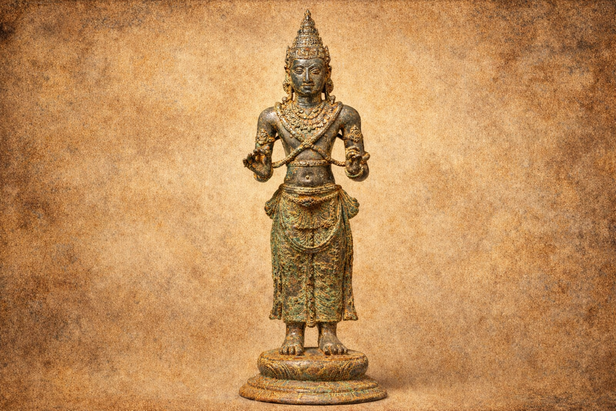
In Sri Lanka, the story appears in the Dasaratha Jataka, where Rama is portrayed as a Bodhisattva. This Buddhist version presents the story as a moral narrative rather than a divine epic. Additionally, several locations in Sri Lanka are linked to Ramayana tourism, connecting mythology with geography.
Japan
In Japan, versions like Ramaensho or Ramaenna exist only in fragments. These adaptations likely reached Japan through China and Buddhist routes. While not widely practiced today, they indicate how far the story travelled and how it was preserved in literary traces rather than active tradition.
Nepal
Nepal
Image credit : AI
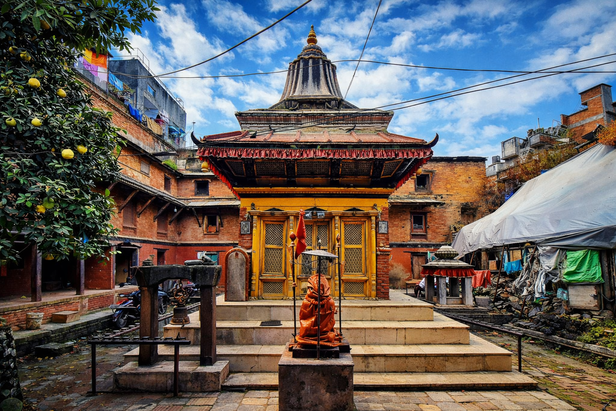
In Nepal, the Ramayana exists strongly through the Bhanubhakta Ramayana and through cultural practices in Janakpur, believed to be Sita’s birthplace. Festivals like Vivaha Panchami reenact the marriage of Ram and Sita, making the story not just literature but an active cultural tradition tied to place and identity.
Khotan Region
In the Khotan region of Central Asia, fragments of the Ramayana have been found in manuscripts along the Silk Route. These versions are influenced by Tibetan and Buddhist storytelling traditions, showing how the epic travelled through trade networks and adapted to different cultural frameworks.