
12 Powerful Names of Shiva to Chant During Difficult Times
Nidhi | Jan 20, 2026, 10:13 IST

Shiva Avatar
Image credit : Ai
During life’s most challenging phases, Shiva’s names offer strength, clarity, and emotional balance. This article explores twelve powerful names of Lord Shiva, their deeper meanings, and how chanting them helps calm the mind, build resilience, and navigate difficult times with inner stability and faith.
ॐ नमः शिवाय।
Some struggles do not need solutions, they need strength to be lived through. In such moments, people remember Shiva not as a distant god, but as a presence that understands silence, loss, and waiting. Shiva represents the courage to sit with uncertainty without losing balance. His names were shaped by human experiences of pain, endurance, and transformation. Chanting them is not about escaping difficulty, but about steadying the mind, slowing inner chaos, and finding meaning even when life feels heavy and unresolved.
![Shiva]()
The name Shiva itself means “that which is auspicious.” It represents purity beyond good and bad, success and failure. Chanting Shiva is believed to calm mental turbulence and bring the mind to a neutral, steady state. In scriptures, Shiva is described as the one who remains untouched by chaos. This name is often associated with inner silence and clarity, especially when life feels overwhelming.
Mahadeva means “the greatest of all beings.” This name reflects Shiva as the supreme consciousness that governs time, space, and existence. Chanting Mahadeva is traditionally associated with invoking strength and perspective. It reminds the mind that individual suffering exists within a much larger cosmic order, helping one rise above fear and helplessness.
Shankara translates to “the one who brings welfare and happiness.” Ancient texts describe Shankara as the remover of inner poisons like anger, jealousy, and despair. Chanting this name is believed to purify thought patterns and emotional responses, making it especially powerful during periods of emotional distress or confusion.
Neelkanth refers to Shiva as the one with the blue throat, who consumed poison during the churning of the ocean to save the universe. This name symbolizes sacrifice, self-control, and silent endurance. Chanting Neelkanth is traditionally associated with developing the strength to absorb pain without letting it destroy one’s inner balance.
Rudra represents the fierce and transformative aspect of Shiva. The name is associated with storms, raw emotion, and powerful change. Chanting Rudra is believed to help release suppressed emotions and break destructive cycles. In the Vedas, Rudra is also a healer, showing that destruction and healing often coexist.
![Silence reflects Shiva’s inner power]()
Bholenath means “the innocent one.” This name reflects Shiva’s simplicity and compassion. He is said to be easily pleased by sincere devotion rather than elaborate rituals. Chanting Bholenath is believed to restore faith during times of disappointment, reminding the mind that humility and honesty carry immense spiritual power.
Adiyogi means “the first yogi.” According to yogic tradition, Shiva transmitted the science of yoga to humanity. This name represents discipline, awareness, and mastery over the mind and body. Chanting Adiyogi is often associated with regaining mental control and inner stability during periods of restlessness or anxiety.
Pashupatinath translates to “the lord of all living beings.” This name reflects Shiva as the protector and guide of every soul. Chanting this name is traditionally believed to dissolve feelings of loneliness and abandonment. It reinforces the idea that no being is ever truly unsupported in the universe.
Tryambaka refers to Shiva as the three-eyed one. The three eyes symbolize the sun, moon, and fire, as well as past, present, and future. Chanting Tryambaka is associated with awakening wisdom and foresight. It is often linked to clarity during uncertain phases of life and is central to the Mahamrityunjaya mantra.
Nataraja is Shiva as the cosmic dancer, performing the dance of creation, preservation, and destruction. This name represents the rhythm of life itself. Chanting Nataraja is believed to help one accept change as a natural process rather than something to fear. It cultivates emotional flexibility and acceptance.
Vairagi means “the detached one.” Shiva’s ascetic form symbolizes freedom from material dependence and emotional bondage. Chanting this name is traditionally associated with reducing attachment, regret, and over-identification with suffering. It helps the mind observe pain without being consumed by it.
![Why did Ravana Created Shiv Tandav Stotram?]()
Mahakal means “the great time,” representing Shiva as the ruler beyond birth and death. This name confronts the fear of loss and mortality directly. Chanting Mahakal is believed to instill fearlessness and remind one of the temporary nature of all struggles. It offers profound strength during times of grief or existential crisis.
Some struggles do not need solutions, they need strength to be lived through. In such moments, people remember Shiva not as a distant god, but as a presence that understands silence, loss, and waiting. Shiva represents the courage to sit with uncertainty without losing balance. His names were shaped by human experiences of pain, endurance, and transformation. Chanting them is not about escaping difficulty, but about steadying the mind, slowing inner chaos, and finding meaning even when life feels heavy and unresolved.
1. Shiva
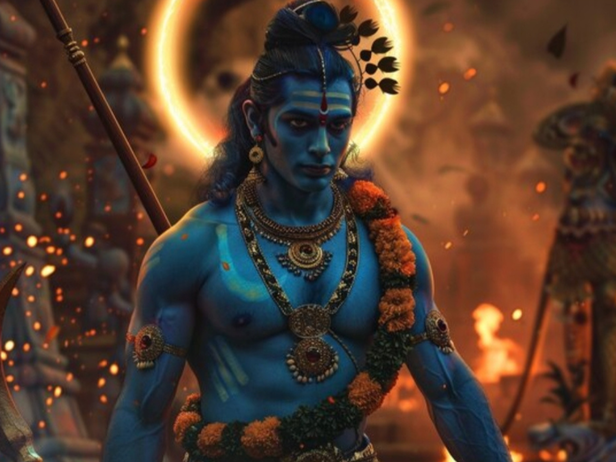
Shiva
Image credit : Freepik
The name Shiva itself means “that which is auspicious.” It represents purity beyond good and bad, success and failure. Chanting Shiva is believed to calm mental turbulence and bring the mind to a neutral, steady state. In scriptures, Shiva is described as the one who remains untouched by chaos. This name is often associated with inner silence and clarity, especially when life feels overwhelming.
2. Mahadeva
3. Shankara
4. Neelkanth
5. Rudra
6. Bholenath
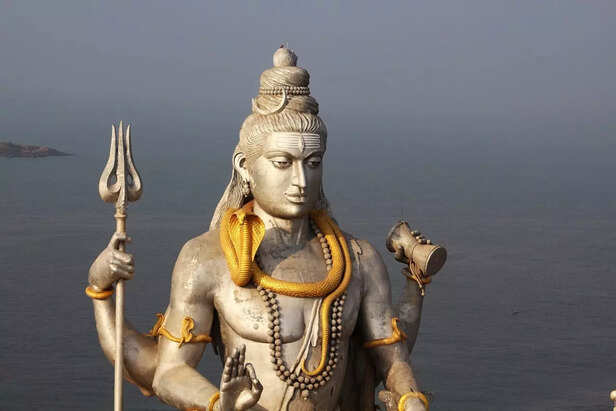
Silence reflects Shiva’s inner power
Image credit : Pexels
Bholenath means “the innocent one.” This name reflects Shiva’s simplicity and compassion. He is said to be easily pleased by sincere devotion rather than elaborate rituals. Chanting Bholenath is believed to restore faith during times of disappointment, reminding the mind that humility and honesty carry immense spiritual power.
7. Adiyogi
8. Pashupatinath
9. Tryambaka
10. Nataraja
11. Vairagi
12. Mahakal

Why did Ravana Created Shiv Tandav Stotram?
Image credit : Pexels
Mahakal means “the great time,” representing Shiva as the ruler beyond birth and death. This name confronts the fear of loss and mortality directly. Chanting Mahakal is believed to instill fearlessness and remind one of the temporary nature of all struggles. It offers profound strength during times of grief or existential crisis.