
12 Shiva Beej Mantras to Chant on Maha Shivratri for Instant Blessings
Nidhi | Feb 14, 2026, 11:01 IST

Shiva
Image credit : Ai
Maha Shivratri is considered the most powerful night to connect with Lord Shiva through mantra chanting. This article explores 12 sacred Shiva Beej Mantras, their deeper meanings, spiritual significance, and why chanting them on Maha Shivratri 2026 is believed to amplify blessings, remove negativity, and awaken inner consciousness.
ॐ नमः शिवाय।
महादेवाय नमः।
On the sacred night of Maha Shivratri, millions across India and the world chant these timeless syllables, believing that this is the night when cosmic energy is at its peak. Scriptures such as the Shiva Purana and Linga Purana describe Maha Shivratri as the night of divine awakening, when Lord Shiva performs the cosmic Tandava and the spiritual seeker can transcend limitations through devotion, meditation, and mantra.
Among the many practices associated with this powerful night, chanting Shiva Beej Mantras holds a special place. Beej means seed. These are foundational sound vibrations from which larger mantras are formed. In yogic and tantric traditions, beej mantras are not ordinary words but condensed spiritual energies believed to influence consciousness, subtle energy channels, and inner awareness.
![Om Namah Shivaya]()
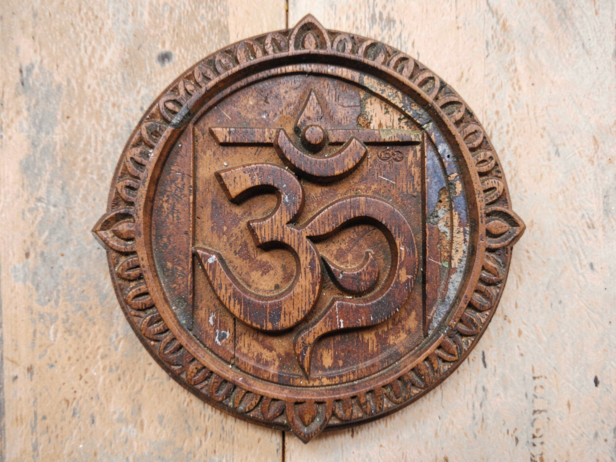
Om is considered the primordial sound of the universe. In Shaiva philosophy, Om represents the totality of existence and the supreme consciousness identified with Shiva. The Mandukya Upanishad explains Om as the sound form of ultimate reality. Chanting Om on Maha Shivratri helps steady the mind, align breath, and prepare the body for deeper mantra practice. It symbolizes creation, preservation, and dissolution.
Hreem is known as the Maya Beej, associated with divine creative energy. In Shaiva traditions, it is linked with the union of Shiva and Shakti. Hreem is believed to purify inner perception and dissolve ignorance. On Maha Shivratri, chanting Hreem is said to awaken inner awareness and remove emotional impurities that block spiritual growth.
Though often associated with prosperity and Lakshmi, Shreem also represents divine abundance and auspiciousness. In the context of Shiva worship, Shreem invokes spiritual wealth rather than material gain. Chanting Shreem on Maha Shivratri is believed to cultivate inner contentment, harmony, and gratitude.
![Mahadev]()
Kleem is considered the beej of attraction and divine love. In Shaiva practice, it symbolizes the magnetic pull between the soul and the supreme. Kleem is believed to harmonize relationships and soften emotional rigidity. On Maha Shivratri, it supports devotion and surrender to Shiva.
Aim is the beej mantra of wisdom and knowledge. It is often linked to Saraswati but also represents clarity of thought in tantric practices. Chanting Aim before or during Shiva meditation sharpens focus and supports scriptural study. It is considered helpful for those seeking spiritual insight rather than intellectual information alone.
Gam is traditionally associated with Ganesha, the remover of obstacles and son of Shiva. Many Shaiva rituals begin with Gam to remove external and internal blockages. On Maha Shivratri, chanting Gam prepares the practitioner for uninterrupted meditation and spiritual discipline.
Dum is a protective beej mantra linked to divine energy that shields against negativity. In Shaiva tantra, protection is not just physical but energetic and psychological. Chanting Dum is believed to strengthen resolve and guard the mind from distraction and fear during the night vigil.
Hum is a powerful mantra of transformation and inner fire. It symbolizes the burning away of impurities. In yogic philosophy, Hum activates inner strength and courage. On Maha Shivratri, chanting Hum is associated with dissolving ego and cultivating fearless awareness.
Phat is a mantra used in tantric practices to cut through negativity. It signifies separation from illusion and destructive patterns. When chanted with awareness, Phat is believed to help break mental conditioning and attachment. It is traditionally used in combination with other mantras for spiritual protection.
![Om Namah Shivaya]()
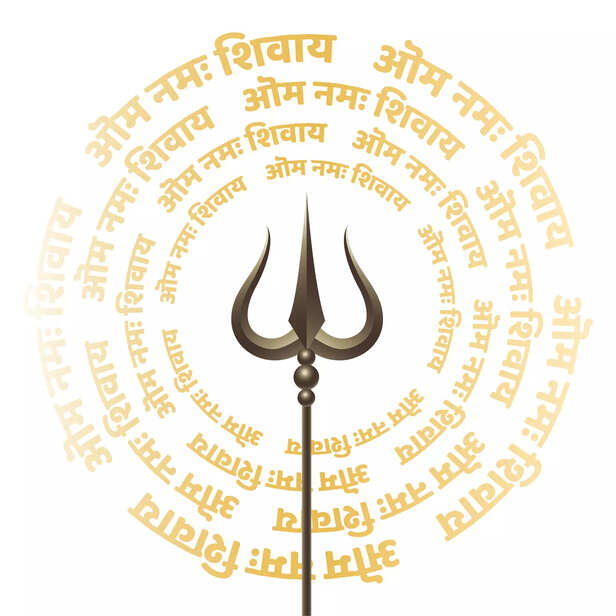
Though not a single beej but a Panchakshari mantra, Om Namah Shivaya is central to Shaiva worship. It appears in the Yajurveda and is widely referenced in Shaiva scriptures. Each syllable corresponds to one of the five elements: earth, water, fire, air, and ether. Chanting it on Maha Shivratri is considered highly auspicious and spiritually elevating.
Haum is regarded as a specific beej of Shiva in tantric traditions. It combines Ha representing Shiva and Um symbolizing divine power. Haum is believed to activate higher consciousness and deepen meditation. It is often used in rituals invoking Shiva’s presence directly.
The syllable Shivaya itself carries profound meaning. It means that which is auspicious and benevolent. In philosophical terms, Shiva represents pure consciousness beyond duality. Chanting Shivaya focuses the mind on inner stillness and self-realization.
महादेवाय नमः।
On the sacred night of Maha Shivratri, millions across India and the world chant these timeless syllables, believing that this is the night when cosmic energy is at its peak. Scriptures such as the Shiva Purana and Linga Purana describe Maha Shivratri as the night of divine awakening, when Lord Shiva performs the cosmic Tandava and the spiritual seeker can transcend limitations through devotion, meditation, and mantra.
Among the many practices associated with this powerful night, chanting Shiva Beej Mantras holds a special place. Beej means seed. These are foundational sound vibrations from which larger mantras are formed. In yogic and tantric traditions, beej mantras are not ordinary words but condensed spiritual energies believed to influence consciousness, subtle energy channels, and inner awareness.
1. Om
Om Namah Shivaya
Image credit : Freepik
Om is considered the primordial sound of the universe. In Shaiva philosophy, Om represents the totality of existence and the supreme consciousness identified with Shiva. The Mandukya Upanishad explains Om as the sound form of ultimate reality. Chanting Om on Maha Shivratri helps steady the mind, align breath, and prepare the body for deeper mantra practice. It symbolizes creation, preservation, and dissolution.
2. Hreem
3. Shreem
4. Kleem
Mahadev
Image credit : Pixabay
Kleem is considered the beej of attraction and divine love. In Shaiva practice, it symbolizes the magnetic pull between the soul and the supreme. Kleem is believed to harmonize relationships and soften emotional rigidity. On Maha Shivratri, it supports devotion and surrender to Shiva.
5. Aim
6. Gam
7. Dum
8. Hum
9. Phat
10. Om Namah Shivaya
Om Namah Shivaya
Image credit : Freepik
Though not a single beej but a Panchakshari mantra, Om Namah Shivaya is central to Shaiva worship. It appears in the Yajurveda and is widely referenced in Shaiva scriptures. Each syllable corresponds to one of the five elements: earth, water, fire, air, and ether. Chanting it on Maha Shivratri is considered highly auspicious and spiritually elevating.