
4 Powerful Reasons Even Asuras Became Shiva Bhakts
Nidhi | Mar 05, 2026, 12:27 IST

Demons worshipping Shiva
Hindu scriptures reveal an intriguing truth that even powerful asuras became devoted followers of Lord Shiva. Discover four powerful reasons why demons worshipped Shiva and why he is considered a deity beyond good and evil.
“ॐ नमः शिवाय।”
In most mythological stories, the universe appears divided into two sides. On one side stand the devas, the protectors of cosmic order. On the other stand the asuras, powerful beings often driven by ambition, ego, and the desire to challenge the gods.
So naturally, one would expect asuras to oppose the gods in every way. Yet Hindu scriptures reveal something fascinating. Many of the most powerful asuras were not enemies of all gods. In fact, they were deeply devoted to Lord Shiva.
This creates an intriguing question. Why would beings who often fought the gods bow before Shiva with such intense devotion?
The answer lies in the unique nature of Shiva himself. Unlike many deities who represent order or protection, Shiva represents something far deeper. He is the god who looks beyond labels like good and evil. He responds to devotion, discipline, and sincerity, no matter who the devotee is.
That is why throughout Hindu mythology, many asuras turned to Shiva with faith and performed intense tapasya to seek his blessings.
![Heartfelt Mantra Practice]()
One of Shiva’s most well known qualities is that he is Ashutosh, the one who is easily pleased by sincere devotion. What matters to him is not whether someone is a god, a human, or an asura. What truly matters is the intensity and honesty of their devotion.
Asuras were known for their strong will and determination. When they chose to worship Shiva, they often performed intense tapasya for years. This level of dedication naturally attracted Shiva’s attention because he respects effort and spiritual discipline.
This idea reflects an important principle in Hindu philosophy. Divine grace is not limited to those who are already perfect. Anyone who approaches the divine with sincerity can receive blessings.
Shiva himself represents the ultimate yogi. He sits in deep meditation in the Himalayas, detached from worldly distractions and focused entirely on inner awareness.
Because of this, Shiva is closely connected with tapasya, the practice of intense spiritual discipline. Many beings in mythology believed that by performing severe penance they could gain Shiva’s blessings and spiritual power.
Asuras were often capable of extraordinary discipline. Their tapasya was powerful because it required patience, sacrifice, and deep focus. Since Shiva himself embodies these qualities, he responded strongly to such devotion.
This is why many ancient stories describe asuras performing long meditation and austerities to please Shiva.
Another reason asuras worshipped Shiva lies in his role as the transformer of the universe. In the cosmic cycle, Shiva is responsible for dissolving old patterns and creating space for new beginnings.
This means Shiva sees potential for change in every being. Even someone driven by ego or ambition can transform through spiritual awareness.
In many traditions, Shiva’s presence symbolizes the possibility of inner transformation. His energy can redirect powerful emotions such as anger, ambition, or desire into something more meaningful.
For beings with immense energy and ambition, Shiva represented a force that could channel that power in new ways.
![Shiva Opens His Third Eye]()
Perhaps the most profound reason asuras worshipped Shiva is that Shiva exists beyond the simple labels of good and evil.
Many Hindu stories present a struggle between devas and asuras, but Shiva stands beyond this conflict. He represents the ultimate consciousness that contains all aspects of existence.
His symbolism reflects this balance. Shiva lives in cremation grounds yet is worshipped in magnificent temples. He is both a fierce destroyer and a compassionate protector.
Because he exists beyond duality, Shiva does not reject devotion based on someone's nature. Anyone who sincerely turns toward him can receive his grace.
In most mythological stories, the universe appears divided into two sides. On one side stand the devas, the protectors of cosmic order. On the other stand the asuras, powerful beings often driven by ambition, ego, and the desire to challenge the gods.
So naturally, one would expect asuras to oppose the gods in every way. Yet Hindu scriptures reveal something fascinating. Many of the most powerful asuras were not enemies of all gods. In fact, they were deeply devoted to Lord Shiva.
This creates an intriguing question. Why would beings who often fought the gods bow before Shiva with such intense devotion?
The answer lies in the unique nature of Shiva himself. Unlike many deities who represent order or protection, Shiva represents something far deeper. He is the god who looks beyond labels like good and evil. He responds to devotion, discipline, and sincerity, no matter who the devotee is.
That is why throughout Hindu mythology, many asuras turned to Shiva with faith and performed intense tapasya to seek his blessings.
1. Shiva Values Devotion More Than Identity

Heartfelt Mantra Practice
Image credit : Freepik
One of Shiva’s most well known qualities is that he is Ashutosh, the one who is easily pleased by sincere devotion. What matters to him is not whether someone is a god, a human, or an asura. What truly matters is the intensity and honesty of their devotion.
Asuras were known for their strong will and determination. When they chose to worship Shiva, they often performed intense tapasya for years. This level of dedication naturally attracted Shiva’s attention because he respects effort and spiritual discipline.
This idea reflects an important principle in Hindu philosophy. Divine grace is not limited to those who are already perfect. Anyone who approaches the divine with sincerity can receive blessings.
2. Shiva Is the Lord of Tapasya
Because of this, Shiva is closely connected with tapasya, the practice of intense spiritual discipline. Many beings in mythology believed that by performing severe penance they could gain Shiva’s blessings and spiritual power.
Asuras were often capable of extraordinary discipline. Their tapasya was powerful because it required patience, sacrifice, and deep focus. Since Shiva himself embodies these qualities, he responded strongly to such devotion.
This is why many ancient stories describe asuras performing long meditation and austerities to please Shiva.
3. Shiva Represents Transformation
This means Shiva sees potential for change in every being. Even someone driven by ego or ambition can transform through spiritual awareness.
In many traditions, Shiva’s presence symbolizes the possibility of inner transformation. His energy can redirect powerful emotions such as anger, ambition, or desire into something more meaningful.
For beings with immense energy and ambition, Shiva represented a force that could channel that power in new ways.
4. Shiva Exists Beyond Good and Evil
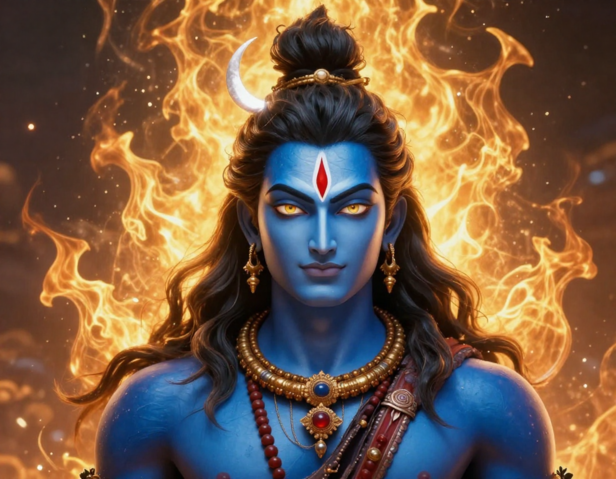
Shiva Opens His Third Eye
Image credit : Freepik
Perhaps the most profound reason asuras worshipped Shiva is that Shiva exists beyond the simple labels of good and evil.
Many Hindu stories present a struggle between devas and asuras, but Shiva stands beyond this conflict. He represents the ultimate consciousness that contains all aspects of existence.
His symbolism reflects this balance. Shiva lives in cremation grounds yet is worshipped in magnificent temples. He is both a fierce destroyer and a compassionate protector.
Because he exists beyond duality, Shiva does not reject devotion based on someone's nature. Anyone who sincerely turns toward him can receive his grace.