
5 Qualities Lord Vishnu Tests Before Protecting You
Nidhi | Feb 16, 2026, 23:02 IST

Lord Vishnu
Image credit : Ai
Does Lord Vishnu protect everyone equally, or does He look for certain qualities in a devotee first? Hindu scriptures like the Bhagavad Gita and Vishnu Purana reveal that divine protection is deeply connected to inner virtues. This article explores the five essential qualities Lord Vishnu tests before extending His protection, including faith, humility, patience, compassion, and surrender. Backed by scriptural references and spiritual insights, it explains how protection in Sanatan Dharma is not random but aligned with Dharma. If you seek Vishnu’s blessings, understanding these qualities may transform your spiritual journey.
शान्ताकारं भुजगशयनं पद्मनाभं सुरेशम्।
विश्वाधारं गगनसदृशं मेघवर्णं शुभाङ्गम्॥
Calm like the infinite sky, resting on the cosmic serpent, sustaining all existence, Lord Vishnu represents stability in a constantly changing universe. In Sanatan Dharma, Vishnu is not only worshipped as a protector but revered as the preserver of cosmic order. His role is to maintain balance, uphold Dharma, and guide souls toward righteousness.
But divine protection in the scriptures is never shown as random. When we study the Vishnu Purana, Bhagavata Purana, and the Bhagavad Gita, one pattern becomes clear. Vishnu protects those who align with Dharma. He responds to certain inner qualities that reflect harmony with His nature.
Below are five deeply rooted qualities Lord Vishnu silently observes before extending His protection.
![Dharma in Action]()
यदा यदा हि धर्मस्य ग्लानिर्भवति भारत।
अभ्युत्थानमधर्मस्य तदात्मानं सृजाम्यहम्॥
Bhagavad Gita 4.7
This verse makes it clear that Vishnu incarnates to protect Dharma. Protection is directly connected to righteousness. Faith alone is not enough. It must be anchored in moral conduct.
Steady faith means continuing to act ethically even when circumstances become difficult. It is easy to believe when life feels comfortable. Vishnu observes whether your faith survives confusion, delay, or pressure. Faith rooted in Dharma shows spiritual maturity. It reflects trust not only in God but in divine order.
When devotion aligns with righteous action, protection follows naturally.
अमानित्वम् अदम्भित्वम् अहिंसा क्षान्तिरार्जवम्।
Bhagavad Gita 13.7
Humility is listed as a primary spiritual virtue. Vishnu, who sustains the entire universe, does not respond to arrogance. Ego creates imbalance, and imbalance disrupts Dharma.
True humility is not self weakness. It is awareness that human power is limited and divine intelligence governs existence. Vishnu tests whether devotion is sincere or driven by pride. Do we approach the divine with gratitude or entitlement.
A humble heart becomes receptive. It allows grace to enter. When ego decreases, divine support increases.
![Dharma]()
तस्मात् सर्वेषु कालेषु मामनुस्मर युध्य च।
Bhagavad Gita 8.7
This teaching reminds us to remember the divine while continuing our duty. Vishnu’s role as preserver works through time. His interventions are steady, not impulsive.
Patience shows deep trust in divine timing. Impatience reflects doubt. Vishnu observes whether you abandon righteousness when results are delayed. Patience means continuing your duties without anxiety about outcomes.
The Bhagavata Purana emphasizes that time itself is a manifestation of the divine will. When patience is cultivated, faith becomes stable. Protection often arrives quietly when endurance is maintained.
अद्वेष्टा सर्वभूतानां मैत्रः करुण एव च।
Bhagavad Gita 12.13
One who has no hatred and is compassionate toward all beings is dear to Me.
Vishnu sustains all life. Compassion mirrors His preserving energy. Seeking divine protection while harming others contradicts His essence.
Compassion is not selective kindness. It is consistent fairness, empathy, and ethical behavior toward all beings. It reflects awareness that the same divine presence resides in every heart.
Vishnu tests whether devotion transforms behavior. When compassion becomes natural, one aligns with the sustaining force of the universe. Such alignment attracts protection.
सर्वधर्मान्परित्यज्य मामेकं शरणं व्रज।
अहं त्वां सर्वपापेभ्यो मोक्षयिष्यामि मा शुचः॥
Bhagavad Gita 18.66
This powerful verse invites complete surrender. Surrender does not mean inactivity. It means freedom from fear and ego driven control.
Vishnu observes whether surrender is conditional. Do we trust only when outcomes are favorable, or do we trust even in uncertainty. True surrender brings calmness and courage. It removes anxiety and strengthens inner stability.
Protection from Vishnu often means protection of the soul, preservation of Dharma, and guidance toward liberation. When surrender is genuine, fear dissolves. Where fear ends, divine grace begins.
विश्वाधारं गगनसदृशं मेघवर्णं शुभाङ्गम्॥
Calm like the infinite sky, resting on the cosmic serpent, sustaining all existence, Lord Vishnu represents stability in a constantly changing universe. In Sanatan Dharma, Vishnu is not only worshipped as a protector but revered as the preserver of cosmic order. His role is to maintain balance, uphold Dharma, and guide souls toward righteousness.
But divine protection in the scriptures is never shown as random. When we study the Vishnu Purana, Bhagavata Purana, and the Bhagavad Gita, one pattern becomes clear. Vishnu protects those who align with Dharma. He responds to certain inner qualities that reflect harmony with His nature.
Below are five deeply rooted qualities Lord Vishnu silently observes before extending His protection.
1. Steady Faith Anchored in Dharma
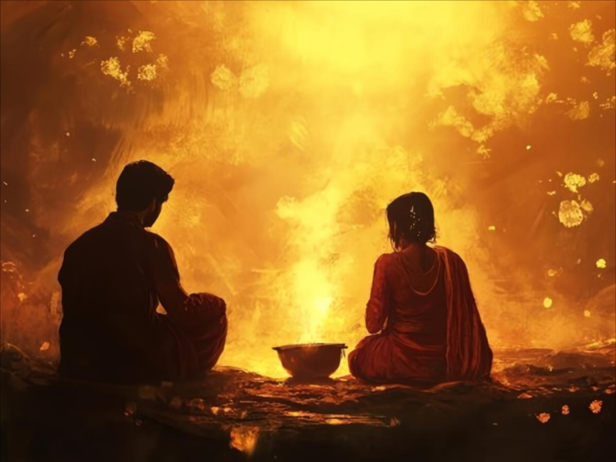
Dharma in Action
Image credit : Freepik
यदा यदा हि धर्मस्य ग्लानिर्भवति भारत।
अभ्युत्थानमधर्मस्य तदात्मानं सृजाम्यहम्॥
Bhagavad Gita 4.7
This verse makes it clear that Vishnu incarnates to protect Dharma. Protection is directly connected to righteousness. Faith alone is not enough. It must be anchored in moral conduct.
Steady faith means continuing to act ethically even when circumstances become difficult. It is easy to believe when life feels comfortable. Vishnu observes whether your faith survives confusion, delay, or pressure. Faith rooted in Dharma shows spiritual maturity. It reflects trust not only in God but in divine order.
When devotion aligns with righteous action, protection follows naturally.
2. Humility That Softens the Ego
Bhagavad Gita 13.7
Humility is listed as a primary spiritual virtue. Vishnu, who sustains the entire universe, does not respond to arrogance. Ego creates imbalance, and imbalance disrupts Dharma.
True humility is not self weakness. It is awareness that human power is limited and divine intelligence governs existence. Vishnu tests whether devotion is sincere or driven by pride. Do we approach the divine with gratitude or entitlement.
A humble heart becomes receptive. It allows grace to enter. When ego decreases, divine support increases.
3. Patience in Divine Timing
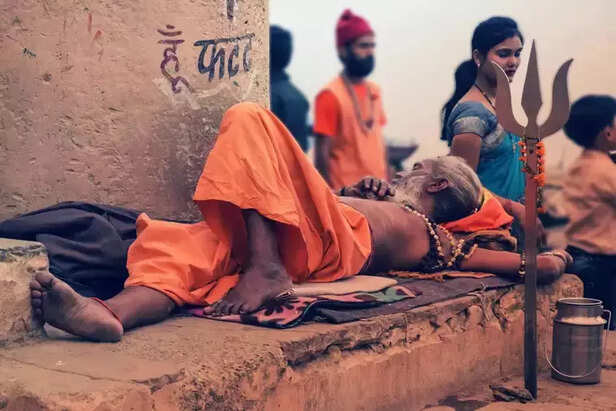
Dharma
Image credit : Pexels
तस्मात् सर्वेषु कालेषु मामनुस्मर युध्य च।
Bhagavad Gita 8.7
This teaching reminds us to remember the divine while continuing our duty. Vishnu’s role as preserver works through time. His interventions are steady, not impulsive.
Patience shows deep trust in divine timing. Impatience reflects doubt. Vishnu observes whether you abandon righteousness when results are delayed. Patience means continuing your duties without anxiety about outcomes.
The Bhagavata Purana emphasizes that time itself is a manifestation of the divine will. When patience is cultivated, faith becomes stable. Protection often arrives quietly when endurance is maintained.
4. Compassion That Reflects His Nature
Bhagavad Gita 12.13
One who has no hatred and is compassionate toward all beings is dear to Me.
Vishnu sustains all life. Compassion mirrors His preserving energy. Seeking divine protection while harming others contradicts His essence.
Compassion is not selective kindness. It is consistent fairness, empathy, and ethical behavior toward all beings. It reflects awareness that the same divine presence resides in every heart.
Vishnu tests whether devotion transforms behavior. When compassion becomes natural, one aligns with the sustaining force of the universe. Such alignment attracts protection.
5. Complete Surrender Without Fear
अहं त्वां सर्वपापेभ्यो मोक्षयिष्यामि मा शुचः॥
Bhagavad Gita 18.66
This powerful verse invites complete surrender. Surrender does not mean inactivity. It means freedom from fear and ego driven control.
Vishnu observes whether surrender is conditional. Do we trust only when outcomes are favorable, or do we trust even in uncertainty. True surrender brings calmness and courage. It removes anxiety and strengthens inner stability.
Protection from Vishnu often means protection of the soul, preservation of Dharma, and guidance toward liberation. When surrender is genuine, fear dissolves. Where fear ends, divine grace begins.