
5 Times Krishna Solved Problems Without Fighting
Nidhi | Mar 05, 2026, 12:16 IST

Krishna
Image credit : Ai
Lord Krishna is often remembered as the strategist of the Mahabharata war, but many of his greatest victories were achieved without fighting. Through wisdom, diplomacy, truth, and emotional intelligence, Krishna solved complex conflicts and guided people toward clarity. From calming the serpent Kaliya to attempting peace before the Kurukshetra war, these stories reveal how Krishna used intelligence instead of weapons to resolve problems. These moments offer timeless life lessons on leadership, patience, and resolving conflict wisely.
When people think about Lord Krishna, they often imagine the powerful charioteer of Arjuna or the divine strategist behind the Mahabharata war. But if we look closely at Krishna’s life, we notice something remarkable. Many of the biggest problems he faced were not solved through battles at all.
Krishna had something far more powerful than weapons. He had wisdom, emotional intelligence, and an incredible understanding of human nature. He knew when strength was needed, but he also knew when patience, truth, or calm thinking could solve a situation much better than force.
In many stories from the Bhagavata Purana and the Mahabharata, Krishna shows us that true leadership is not about defeating others. It is about guiding situations toward the right outcome without creating more destruction.
![Life Lessions by krishna]()
One of the most famous childhood stories of Krishna is the episode of the serpent Kaliya in the Yamuna river. The poisonous snake had made the river dangerous for everyone in Vrindavan. The water had become toxic and the villagers lived in fear.
Krishna jumped into the river and confronted Kaliya. Instead of killing the serpent, Krishna danced on his many hoods and subdued him. The powerful display broke Kaliya’s arrogance and forced him to realize Krishna’s divine nature.
Once the serpent surrendered, Krishna allowed him to leave peacefully with his family and live elsewhere.
The real problem here was not simply the snake but the pride that made him destructive. By calming that pride, Krishna removed the danger without unnecessary destruction.
This reflects something very relatable in human life. Many conflicts are driven by ego. When ego is addressed wisely, the fight itself often disappears.
Another well known story from Krishna’s life is the incident of Govardhan Hill. The villagers of Vrindavan used to worship Indra, the god of rain. Krishna suggested that they instead honor Govardhan Hill because it directly supported their lives by providing grazing land and shelter.
Indra became furious when the villagers stopped worshipping him. In anger he sent massive storms to destroy Vrindavan. Thunder roared, rain flooded the land, and people feared for their lives.
Krishna did not attack Indra. Instead, he lifted the entire Govardhan Hill with his little finger and asked everyone to take shelter beneath it.
For seven days the villagers stayed safe under the hill until Indra realized his mistake and stopped the storm.
Krishna’s focus was not revenge. His focus was protection. By protecting the innocent, he allowed the aggressor to recognize his own arrogance.
Sometimes the smartest response to anger is not retaliation but calm strength.
![Mind control]()
Before the Mahabharata war began, Krishna made one final attempt to stop the conflict. He went to the Kaurava court in Hastinapur as a peace messenger.
Krishna did not demand the full kingdom for the Pandavas, even though it was rightfully theirs. Instead, he proposed a simple compromise. If the Pandavas were given just five villages, they would live peacefully without any war.
This offer showed Krishna’s deep commitment to peace. Even when justice was on his side, he still tried diplomacy first.
Duryodhana rejected the proposal with arrogance and even attempted to capture Krishna. Yet Krishna’s effort remains a powerful example of responsible leadership.
Wise leaders do not rush toward confrontation. They try every possible path to avoid destruction.
One of the most emotional moments in the Mahabharata happens just before the war begins. Arjuna stands on the battlefield and sees teachers, cousins, and elders on both sides.
Overwhelmed with sorrow and doubt, he drops his bow and refuses to fight. His heart is filled with confusion about duty, morality, and family.
Krishna does not force him to fight. Instead, he begins a deep conversation that becomes the Bhagavad Gita.
Through calm guidance, Krishna helps Arjuna understand the nature of the soul, the importance of duty, and the meaning of selfless action. Slowly Arjuna’s confusion disappears and clarity replaces his fear.
Krishna did not solve this problem with commands or pressure. He solved it with knowledge.
This moment reminds us that many struggles in life are not external battles but internal ones. Often what we truly need is not force but understanding.
![Krishna and Arjun in Mahabharata]()
Before the war started, Krishna also tried to resolve the conflict in another unexpected way. He secretly met Karna, the greatest warrior on the Kaurava side.
Krishna revealed a powerful truth that Karna had never known. Karna was actually the eldest son of Kunti, which meant he was the elder brother of the Pandavas.
Krishna offered Karna the throne of Hastinapur if he joined the Pandavas. This decision could have prevented the war entirely and saved countless lives.
Although Karna chose to remain loyal to Duryodhana, Krishna’s effort shows how strongly he wished to avoid war if possible.
Sometimes revealing the truth can completely change the direction of a conflict. Krishna believed that honesty and clarity could resolve even the deepest divisions.
Krishna had something far more powerful than weapons. He had wisdom, emotional intelligence, and an incredible understanding of human nature. He knew when strength was needed, but he also knew when patience, truth, or calm thinking could solve a situation much better than force.
In many stories from the Bhagavata Purana and the Mahabharata, Krishna shows us that true leadership is not about defeating others. It is about guiding situations toward the right outcome without creating more destruction.
1. When Ego Was Calmed Instead of an Enemy Being Destroyed
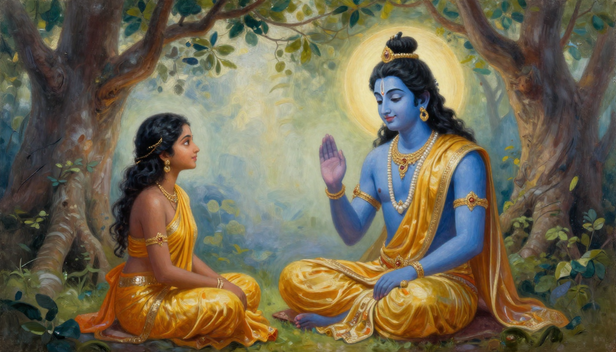
Life Lessions by krishna
Image credit : Freepik
One of the most famous childhood stories of Krishna is the episode of the serpent Kaliya in the Yamuna river. The poisonous snake had made the river dangerous for everyone in Vrindavan. The water had become toxic and the villagers lived in fear.
Krishna jumped into the river and confronted Kaliya. Instead of killing the serpent, Krishna danced on his many hoods and subdued him. The powerful display broke Kaliya’s arrogance and forced him to realize Krishna’s divine nature.
Once the serpent surrendered, Krishna allowed him to leave peacefully with his family and live elsewhere.
The real problem here was not simply the snake but the pride that made him destructive. By calming that pride, Krishna removed the danger without unnecessary destruction.
This reflects something very relatable in human life. Many conflicts are driven by ego. When ego is addressed wisely, the fight itself often disappears.
2. When Protection Became More Important Than Punishment
Indra became furious when the villagers stopped worshipping him. In anger he sent massive storms to destroy Vrindavan. Thunder roared, rain flooded the land, and people feared for their lives.
Krishna did not attack Indra. Instead, he lifted the entire Govardhan Hill with his little finger and asked everyone to take shelter beneath it.
For seven days the villagers stayed safe under the hill until Indra realized his mistake and stopped the storm.
Krishna’s focus was not revenge. His focus was protection. By protecting the innocent, he allowed the aggressor to recognize his own arrogance.
Sometimes the smartest response to anger is not retaliation but calm strength.
3. When Peace Was Tried Even When War Was Possible

Mind control
Image credit : Freepik
Before the Mahabharata war began, Krishna made one final attempt to stop the conflict. He went to the Kaurava court in Hastinapur as a peace messenger.
Krishna did not demand the full kingdom for the Pandavas, even though it was rightfully theirs. Instead, he proposed a simple compromise. If the Pandavas were given just five villages, they would live peacefully without any war.
This offer showed Krishna’s deep commitment to peace. Even when justice was on his side, he still tried diplomacy first.
Duryodhana rejected the proposal with arrogance and even attempted to capture Krishna. Yet Krishna’s effort remains a powerful example of responsible leadership.
Wise leaders do not rush toward confrontation. They try every possible path to avoid destruction.
4. When Confusion Was Cleared Through Wisdom
Overwhelmed with sorrow and doubt, he drops his bow and refuses to fight. His heart is filled with confusion about duty, morality, and family.
Krishna does not force him to fight. Instead, he begins a deep conversation that becomes the Bhagavad Gita.
Through calm guidance, Krishna helps Arjuna understand the nature of the soul, the importance of duty, and the meaning of selfless action. Slowly Arjuna’s confusion disappears and clarity replaces his fear.
Krishna did not solve this problem with commands or pressure. He solved it with knowledge.
This moment reminds us that many struggles in life are not external battles but internal ones. Often what we truly need is not force but understanding.
5. When Truth Was Revealed to Prevent Bloodshed
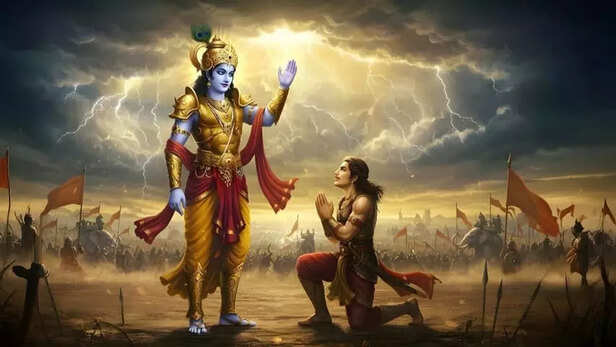
Krishna and Arjun in Mahabharata
Image credit : Freepik
Before the war started, Krishna also tried to resolve the conflict in another unexpected way. He secretly met Karna, the greatest warrior on the Kaurava side.
Krishna revealed a powerful truth that Karna had never known. Karna was actually the eldest son of Kunti, which meant he was the elder brother of the Pandavas.
Krishna offered Karna the throne of Hastinapur if he joined the Pandavas. This decision could have prevented the war entirely and saved countless lives.
Although Karna chose to remain loyal to Duryodhana, Krishna’s effort shows how strongly he wished to avoid war if possible.
Sometimes revealing the truth can completely change the direction of a conflict. Krishna believed that honesty and clarity could resolve even the deepest divisions.