
6 Ancient Shrines Where Devotees Believe Divine Presence Still Exists
Nidhi | Feb 11, 2026, 22:51 IST

renaissance-portrait-woman-as-sun-goddess_23-2151345842
Image credit : Freepik
Across India, certain ancient shrines are believed to house not just sacred idols but a living divine presence. From Kashi Vishwanath and Tirupati Balaji to Jagannath Puri and Vaishno Devi, these temples attract millions who believe God still resides within their sanctums. Rooted in scriptures, legends, and centuries of uninterrupted rituals, these sacred sites continue to inspire faith, devotion, and spiritual transformation even in modern times.
“न तस्य प्रतिमा अस्ति, यस्य नाम महद्यशः।”
“There is no image of Him, whose glory is infinite.” — Yajurveda 32.3
If God is everywhere, why do certain places feel different?
Why does the air grow heavier with silence inside some temples? Why do people travel thousands of kilometers, stand in lines for hours, climb mountains barefoot, or walk through ancient corridors just to stand for a few seconds before a deity?
Because in these places, faith is not memory. It is presence.
Across India, there are shrines where devotees do not merely worship history. They believe the Divine still resides there. Not as a symbol. Not as a metaphor. But as an active force that listens, protects, forgives, and responds.
These temples have survived invasions, natural calamities, political change, and centuries of skepticism. Yet millions continue to testify that something within these sanctums feels alive. Scriptures speak of them. Legends surround them. Rituals continue uninterrupted for hundreds or even thousands of years.
![Varanasi, Jan 25 (ANI): A huge crowd of devotees throng to offer prayers at the ...]()
Varanasi is described in the Skanda Purana as the city that Lord Shiva never abandons. The Kashi Vishwanath Temple, dedicated to Shiva as Vishweshwara, is believed to stand at the cosmic center of the universe.
Scriptures describe Kashi as Avimukta, the place never forsaken by Shiva. Devotees believe that even during cosmic dissolution, this sacred city remains protected. The Jyotirlinga enshrined here is considered self-manifested and eternally radiant.
The temple’s history includes destruction and rebuilding, most notably in the 18th century under Ahilyabai Holkar. Yet through invasions and reconstructions, faith in Shiva’s uninterrupted presence has remained unshaken. Pilgrims believe that a visit here grants liberation, and that dying in Kashi ensures moksha through Shiva’s whispered Taraka mantra.
Unlike most temples, Jagannath Puri carries a rare belief that the deity is alive in a physical sense. The wooden idols of Jagannath, Balabhadra, and Subhadra are replaced every 12 to 19 years during the Nabakalebara ritual.
According to temple tradition, a mysterious sacred substance called Brahma Padartha is transferred from the old idol to the new one in complete secrecy. Devotees believe this element contains Krishna’s eternal essence. The ritual is performed blindfolded, reinforcing the belief that divine energy cannot be seen, only experienced.
Texts such as the Skanda Purana describe Purushottama Kshetra as a sacred land personally chosen by Vishnu. For millions, Jagannath is not symbolic. He is present, dynamic, and continuously interacting with devotees.
![Chennai, Dec 30 (ANI): Devotees throng the Tirumala Tirupati Devasthanams Peruma...]()
High atop the Seshachalam Hills stands one of the wealthiest and most visited temples in the world. The deity here is worshipped as Lord Venkateswara, believed to be Vishnu living in Kali Yuga to protect humanity.
According to the Venkatachala Mahatmya, Vishnu descended here to save mankind from the burdens of the age of darkness. Devotees believe the idol is Swayambhu, not carved by human hands. Temple priests affirm that the deity’s hair appears soft and real, and that the idol exudes a subtle warmth.
Millions visit annually, offering hair in symbolic surrender. Faith holds that Venkateswara listens personally to prayers and actively intervenes in devotees’ lives. This belief in a living God draws over 20 million pilgrims every year.
Situated within a cave in the Trikuta Mountains, Vaishno Devi is unique because there is no anthropomorphic idol. Instead, three natural rock formations called pindis represent Mahakali, Mahalakshmi, and Mahasaraswati.
The Devi Bhagavata Purana narrates that Vaishnavi chose this cave as her eternal abode after defeating the demon Bhairavnath. Devotees believe the Goddess continues to reside here in subtle form.
The journey itself is considered sacred. Pilgrims walk 13 kilometers chanting Jai Mata Di, believing that the call comes only when the Goddess wishes to grant darshan. The temple sees over 8 million visitors annually, each convinced that the divine energy inside the cave is not symbolic but real.
This shrine connects directly to the Ramayana. According to the epic, Lord Rama installed the Shiva Lingam here to atone for killing Ravana, who though a tyrant was also a Brahmin scholar.
The Lingam, known as Ramalinga, is believed to have been consecrated by Rama himself. The temple’s corridors, among the longest in Asia, reflect centuries of devotion and architectural grandeur.
Devotees believe that Shiva continues to bless those who seek forgiveness and purification here. Ritual bathing in the temple’s 22 sacred wells is said to cleanse karmic burdens. For pilgrims, Rameswaram is not just historical. It is spiritually alive.
![Shri Mahakaleshwar Temple, Ujjain receives record donation]()
Mahakaleshwar is one of the twelve Jyotirlingas and is unique because the deity faces south, symbolizing Shiva as the Lord of Time and Death.
Ancient texts like the Shiva Purana describe Mahakal as the supreme force beyond time. The idol is believed to be self-manifested and immensely powerful. The daily Bhasma Aarti, performed at dawn using sacred ash, reinforces the temple’s association with mortality and transcendence.
Devotees believe Mahakal actively protects Ujjain and responds swiftly to prayers. The temple has stood for centuries, surviving political upheavals, yet the belief in Shiva’s ongoing presence remains constant.
“There is no image of Him, whose glory is infinite.” — Yajurveda 32.3
If God is everywhere, why do certain places feel different?
Why does the air grow heavier with silence inside some temples? Why do people travel thousands of kilometers, stand in lines for hours, climb mountains barefoot, or walk through ancient corridors just to stand for a few seconds before a deity?
Because in these places, faith is not memory. It is presence.
Across India, there are shrines where devotees do not merely worship history. They believe the Divine still resides there. Not as a symbol. Not as a metaphor. But as an active force that listens, protects, forgives, and responds.
These temples have survived invasions, natural calamities, political change, and centuries of skepticism. Yet millions continue to testify that something within these sanctums feels alive. Scriptures speak of them. Legends surround them. Rituals continue uninterrupted for hundreds or even thousands of years.
1. Kashi Vishwanath Temple
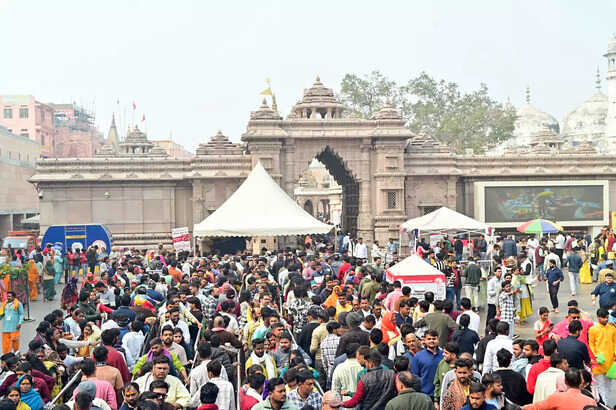
Varanasi, Jan 25 (ANI): A huge crowd of devotees throng to offer prayers at the ...
Image credit : ANI
Varanasi is described in the Skanda Purana as the city that Lord Shiva never abandons. The Kashi Vishwanath Temple, dedicated to Shiva as Vishweshwara, is believed to stand at the cosmic center of the universe.
Scriptures describe Kashi as Avimukta, the place never forsaken by Shiva. Devotees believe that even during cosmic dissolution, this sacred city remains protected. The Jyotirlinga enshrined here is considered self-manifested and eternally radiant.
The temple’s history includes destruction and rebuilding, most notably in the 18th century under Ahilyabai Holkar. Yet through invasions and reconstructions, faith in Shiva’s uninterrupted presence has remained unshaken. Pilgrims believe that a visit here grants liberation, and that dying in Kashi ensures moksha through Shiva’s whispered Taraka mantra.
2. Jagannath Temple
According to temple tradition, a mysterious sacred substance called Brahma Padartha is transferred from the old idol to the new one in complete secrecy. Devotees believe this element contains Krishna’s eternal essence. The ritual is performed blindfolded, reinforcing the belief that divine energy cannot be seen, only experienced.
Texts such as the Skanda Purana describe Purushottama Kshetra as a sacred land personally chosen by Vishnu. For millions, Jagannath is not symbolic. He is present, dynamic, and continuously interacting with devotees.
3. Tirumala Venkateswara Temple
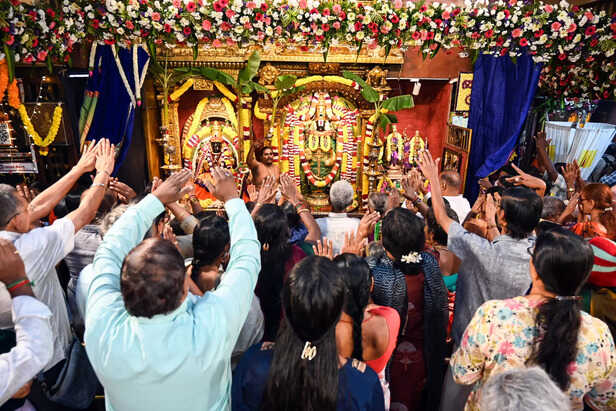
Chennai, Dec 30 (ANI): Devotees throng the Tirumala Tirupati Devasthanams Peruma...
Image credit : ANI
High atop the Seshachalam Hills stands one of the wealthiest and most visited temples in the world. The deity here is worshipped as Lord Venkateswara, believed to be Vishnu living in Kali Yuga to protect humanity.
According to the Venkatachala Mahatmya, Vishnu descended here to save mankind from the burdens of the age of darkness. Devotees believe the idol is Swayambhu, not carved by human hands. Temple priests affirm that the deity’s hair appears soft and real, and that the idol exudes a subtle warmth.
Millions visit annually, offering hair in symbolic surrender. Faith holds that Venkateswara listens personally to prayers and actively intervenes in devotees’ lives. This belief in a living God draws over 20 million pilgrims every year.
4. Vaishno Devi Temple
The Devi Bhagavata Purana narrates that Vaishnavi chose this cave as her eternal abode after defeating the demon Bhairavnath. Devotees believe the Goddess continues to reside here in subtle form.
The journey itself is considered sacred. Pilgrims walk 13 kilometers chanting Jai Mata Di, believing that the call comes only when the Goddess wishes to grant darshan. The temple sees over 8 million visitors annually, each convinced that the divine energy inside the cave is not symbolic but real.
5. Ramanathaswamy Temple
The Lingam, known as Ramalinga, is believed to have been consecrated by Rama himself. The temple’s corridors, among the longest in Asia, reflect centuries of devotion and architectural grandeur.
Devotees believe that Shiva continues to bless those who seek forgiveness and purification here. Ritual bathing in the temple’s 22 sacred wells is said to cleanse karmic burdens. For pilgrims, Rameswaram is not just historical. It is spiritually alive.
6. Mahakaleshwar Jyotirlinga
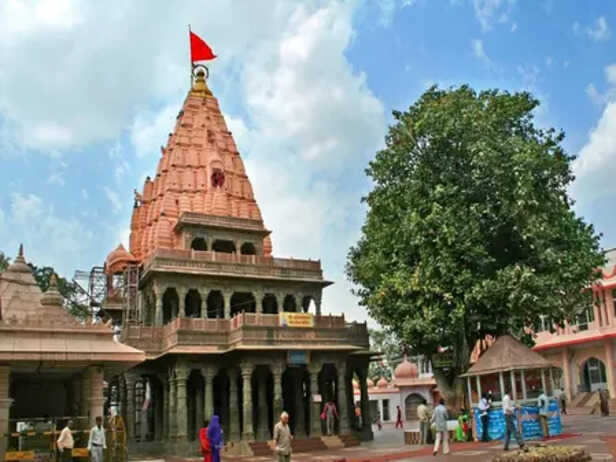
Shri Mahakaleshwar Temple, Ujjain receives record donation
Image credit : IANS
Mahakaleshwar is one of the twelve Jyotirlingas and is unique because the deity faces south, symbolizing Shiva as the Lord of Time and Death.
Ancient texts like the Shiva Purana describe Mahakal as the supreme force beyond time. The idol is believed to be self-manifested and immensely powerful. The daily Bhasma Aarti, performed at dawn using sacred ash, reinforces the temple’s association with mortality and transcendence.
Devotees believe Mahakal actively protects Ujjain and responds swiftly to prayers. The temple has stood for centuries, surviving political upheavals, yet the belief in Shiva’s ongoing presence remains constant.