
6 Divine Jewelry Pieces Worn by Hindu Gods And What They Really Mean
Riya Kumari | Jul 07, 2026, 11:46 IST

Shiva Rudraksha mala
In Hinduism, the jewelry worn by deities transcends mere aesthetic appeal. Rooted in ancient scriptures and spiritual wisdom, these ornaments are imbued with profound symbolism, reflecting the cosmic principles of creation, preservation, and dissolution. Each piece serves as a conduit for divine energy, guiding devotees toward a deeper understanding of the universe and the self.
In Hinduism, the jewelry worn by the gods and goddesses is far more than ornamentation, it is a language of the soul, a mirror of the universe, and a guide to spiritual understanding. Each piece embodies profound symbolism, rooted in ancient scriptures, illustrating the principles of creation, preservation, and dissolution. To observe these divine adornments is to glimpse the cosmic order and the path to self-realization.
Lord Brahma’s Crown (Mukut)
![Brahma]()
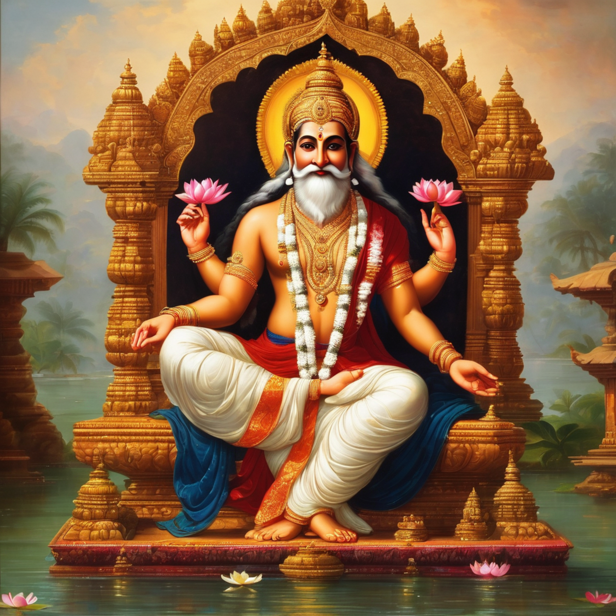
Lord Brahma, the Creator of the cosmos, is depicted wearing a crown that symbolizes supreme authority, not power for domination, but mastery over the self and the universe. The crown is a sign of divine intellect, the ability to see beyond the material world, and the calling to fulfill one’s higher purpose.
It reminds us that true leadership arises from wisdom, clarity, and detachment from ego.
Lord Vishnu’s Kaustubha Gem
![Vishnu]()
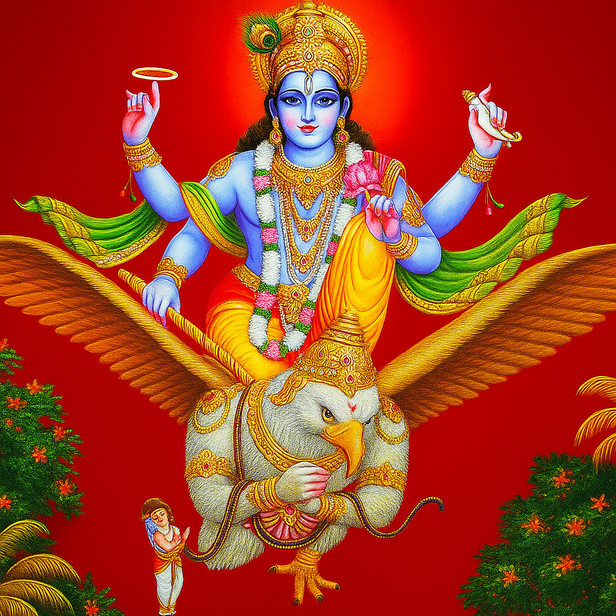
The Kaustubha gem worn by Lord Vishnu radiates more than light, it radiates spiritual abundance. It is a symbol of eternal prosperity that arises from dharma, the alignment of our actions with cosmic law.
The gem teaches that wealth is not measured by possessions but by spiritual richness, the inner treasures of compassion, virtue, and integrity.
Lord Shiva’s Rudraksha Mala
![Shiva]()
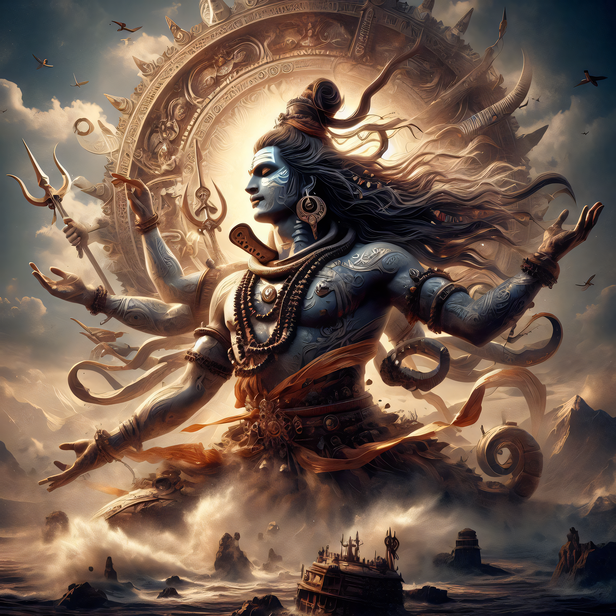
Shiva’s rudraksha beads are not mere ornaments, they are silent teachers. Each bead represents a step on the path of meditation, reflection, and liberation. Wearing or contemplating the mala reminds devotees of life’s cyclical nature and the power of discipline and awareness.
It speaks of connection, to the self, to the divine, and to the eternal rhythm of existence.
Goddess Lakshmi’s Gold Ornaments
![Lakshmi]()
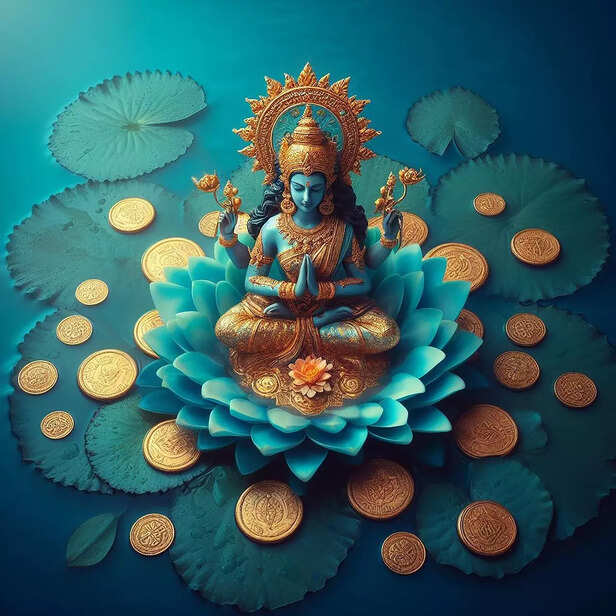
Gold, worn by Lakshmi, is considered the purest form of sattva, capable of absorbing and radiating divine energy. Her ornaments are not just wealth in form but symbols of virtue, devotion, and the cultivation of qualities that attract abundance.
True prosperity, she teaches, flows when purity of thought, word, and action aligns with purpose.
Lord Krishna’s Vaijayanti Mala
![Krishna]()
Krishna’s garland, made from five distinct flowers, is a reminder that unity arises from diversity. Each flower represents a facet of life, joy, wisdom, love, courage, and devotion and together, they illustrate the victory of dharma over adharma. The mala invites reflection on the interconnectedness of existence and the harmony that arises when one lives righteously.
Adorning the Soul
The jewelry of the gods is a silent scripture, a language of light, virtue, and cosmic truth. Each ornament is a reflection of principles that guide life: wisdom, dharma, meditation, abundance, unity, and knowledge.
To contemplate these divine symbols is to adorn the soul with clarity, strength, and grace, embracing lessons that resonate beyond ritual, touching the eternal fabric of existence itself.
Lord Brahma’s Crown (Mukut)
Brahma
Image credit : Pixabay
Lord Brahma, the Creator of the cosmos, is depicted wearing a crown that symbolizes supreme authority, not power for domination, but mastery over the self and the universe. The crown is a sign of divine intellect, the ability to see beyond the material world, and the calling to fulfill one’s higher purpose.
It reminds us that true leadership arises from wisdom, clarity, and detachment from ego.
Lord Vishnu’s Kaustubha Gem
Vishnu
Image credit : Times Life Bureau
The Kaustubha gem worn by Lord Vishnu radiates more than light, it radiates spiritual abundance. It is a symbol of eternal prosperity that arises from dharma, the alignment of our actions with cosmic law.
The gem teaches that wealth is not measured by possessions but by spiritual richness, the inner treasures of compassion, virtue, and integrity.
Lord Shiva’s Rudraksha Mala
Shiva
Image credit : Pixabay
Shiva’s rudraksha beads are not mere ornaments, they are silent teachers. Each bead represents a step on the path of meditation, reflection, and liberation. Wearing or contemplating the mala reminds devotees of life’s cyclical nature and the power of discipline and awareness.
It speaks of connection, to the self, to the divine, and to the eternal rhythm of existence.
Goddess Lakshmi’s Gold Ornaments
Lakshmi
Image credit : Pixabay
Gold, worn by Lakshmi, is considered the purest form of sattva, capable of absorbing and radiating divine energy. Her ornaments are not just wealth in form but symbols of virtue, devotion, and the cultivation of qualities that attract abundance.
True prosperity, she teaches, flows when purity of thought, word, and action aligns with purpose.
Lord Krishna’s Vaijayanti Mala
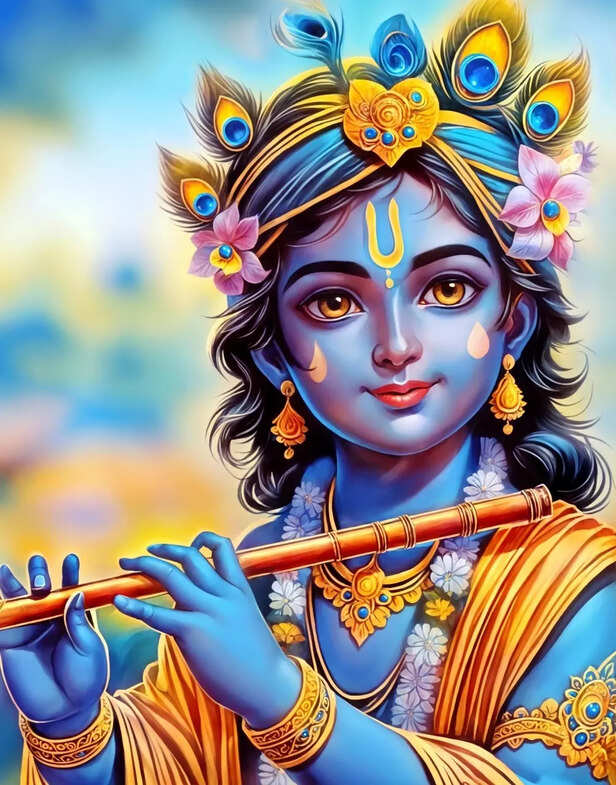
Krishna
Image credit : Pixabay
Krishna’s garland, made from five distinct flowers, is a reminder that unity arises from diversity. Each flower represents a facet of life, joy, wisdom, love, courage, and devotion and together, they illustrate the victory of dharma over adharma. The mala invites reflection on the interconnectedness of existence and the harmony that arises when one lives righteously.
Adorning the Soul
To contemplate these divine symbols is to adorn the soul with clarity, strength, and grace, embracing lessons that resonate beyond ritual, touching the eternal fabric of existence itself.