
6 Famous Shakti Peethas in South India
Nidhi | Feb 27, 2026, 17:10 IST

Shakti Peethas
Image credit : Ai
6 famous Shakti Peethas in South India that hold immense spiritual and mythological significance. From Kamakshi in Kanchipuram to Kanyakumari Bhagavathy, explore the sacred temples where parts of Goddess Sati are believed to have fallen. Learn about their history, legends, spiritual importance, and why these powerful Devi temples attract millions of devotees every year.
“या देवी सर्वभूतेषु शक्ति रूपेण संस्थिता।
नमस्तस्यै नमस्तस्यै नमस्तस्यै नमो नमः॥”
There are temples you visit… and then there are temples that stay with you.
The Shakti Peethas belong to the second kind. Born from the story of Goddess Sati and Lord Shiva’s unimaginable grief, these sacred sites are believed to mark the places where parts of Sati’s body fell to the earth. But beyond mythology, they feel deeply personal. They carry emotion, devotion, and centuries of prayer soaked into their walls.
South India is home to some of the most powerful and spiritually alive Shakti Peethas. Each one carries a different energy, a different mood of the Divine Mother. Together, they form a living journey through strength, compassion, wisdom, and resilience.
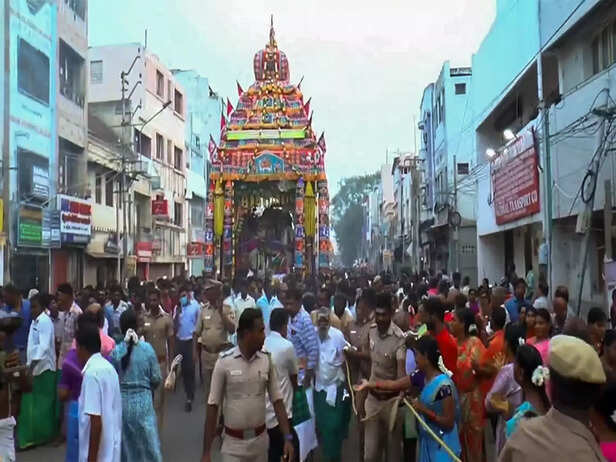
![Tamil Nadu: Madurai's Meenakshi Amman temple receives bomb threat via e-mail]() In the sacred city of Kanchipuram stands Goddess Kamakshi, seated in calm authority. Unlike the fierce forms of Shakti, she radiates stillness and grace. Tradition believes that Sati’s navel fell here, symbolizing creation and life itself.
In the sacred city of Kanchipuram stands Goddess Kamakshi, seated in calm authority. Unlike the fierce forms of Shakti, she radiates stillness and grace. Tradition believes that Sati’s navel fell here, symbolizing creation and life itself.
This temple is deeply connected to the Sri Vidya tradition and Adi Shankaracharya’s philosophy. When you stand before Kamakshi, the feeling is not overwhelming. It is grounding. As if power does not always need to roar. Sometimes it simply sits, steady and complete.
On the quiet banks of the Tunga River in Sringeri, Goddess Sharadamba is worshipped as the embodiment of wisdom. It is believed that Sati’s right hand fell here, symbolizing knowledge and action.
Founded as a spiritual center by Adi Shankaracharya, Sringeri has long been associated with learning. Students often visit before exams, but the deeper essence of this Peeth is clarity of mind. Here, Shakti is not fiery. She is luminous and intelligent.
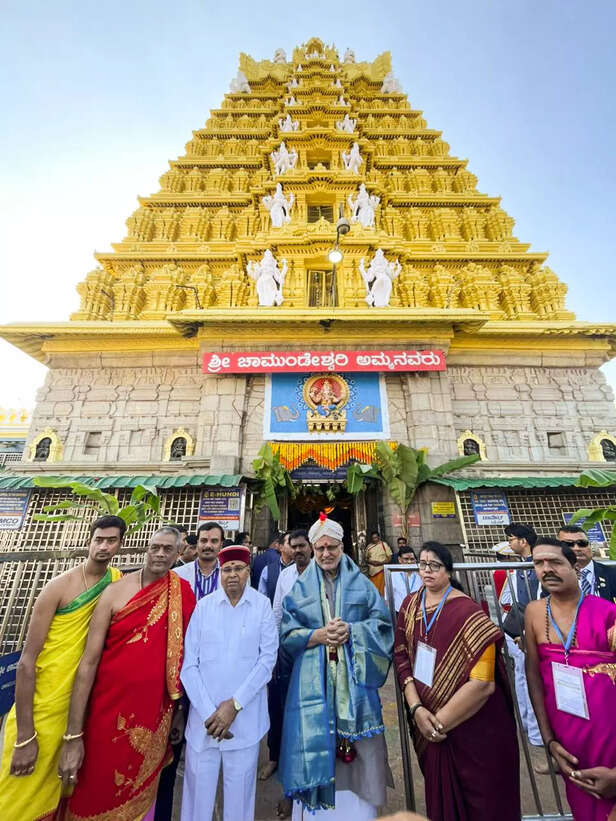
![Mysuru, Nov 09 (ANI): Vice-President C. P. Radhakrishnan and Karnataka Governor...]() High above Mysuru on Chamundi Hill, the goddess appears in her fierce form as Chamundeshwari. It is believed that Sati’s hair fell here, a symbol of strength and vitality.
High above Mysuru on Chamundi Hill, the goddess appears in her fierce form as Chamundeshwari. It is believed that Sati’s hair fell here, a symbol of strength and vitality.
Associated with the legend of Mahishasura, this temple carries warrior energy. The wind feels stronger at the top. The presence feels protective. This is the Mother who stands between her children and danger.
Deep within the hills of Srisailam lies one of the rare temples where Shiva and Shakti are worshipped together. The neck of Sati is believed to have fallen here, symbolizing expression and devotion.
Goddess Bhramaramba represents focused power. The temple’s energy feels balanced, almost meditative. It reminds devotees that strength and consciousness are never separate.
At the southernmost edge of India, in Kanyakumari, the ocean meets devotion. It is believed that part of Sati’s back fell here. The goddess is worshipped as an eternal virgin, symbolizing purity and unwavering determination.
The sound of waves outside the temple creates a rare spiritual atmosphere. Standing here feels like standing at the edge of the land and at the edge of yourself.
![Shakti peethas]()
In Thiruvananthapuram, Attukal Bhagavathy Temple is known for the massive Pongala festival led entirely by women. It is believed that Sati’s left cheek fell here.
This Peeth carries a deeply maternal and collective energy. It is not just about personal prayer. It is about shared strength. Thousands of women gathering in devotion reflects Shakti in her most powerful form, unity.
नमस्तस्यै नमस्तस्यै नमस्तस्यै नमो नमः॥”
There are temples you visit… and then there are temples that stay with you.
The Shakti Peethas belong to the second kind. Born from the story of Goddess Sati and Lord Shiva’s unimaginable grief, these sacred sites are believed to mark the places where parts of Sati’s body fell to the earth. But beyond mythology, they feel deeply personal. They carry emotion, devotion, and centuries of prayer soaked into their walls.
South India is home to some of the most powerful and spiritually alive Shakti Peethas. Each one carries a different energy, a different mood of the Divine Mother. Together, they form a living journey through strength, compassion, wisdom, and resilience.
1. Kamakshi Amman Temple
Tamil Nadu: Madurai's Meenakshi Amman temple receives bomb threat via e-mail
Image credit : ANI
This temple is deeply connected to the Sri Vidya tradition and Adi Shankaracharya’s philosophy. When you stand before Kamakshi, the feeling is not overwhelming. It is grounding. As if power does not always need to roar. Sometimes it simply sits, steady and complete.
2. Shringeri Sharadamba Temple
Founded as a spiritual center by Adi Shankaracharya, Sringeri has long been associated with learning. Students often visit before exams, but the deeper essence of this Peeth is clarity of mind. Here, Shakti is not fiery. She is luminous and intelligent.
3. Chamundeshwari Temple
Mysuru, Nov 09 (ANI): Vice-President C. P. Radhakrishnan and Karnataka Governor...
Image credit : ANI
Associated with the legend of Mahishasura, this temple carries warrior energy. The wind feels stronger at the top. The presence feels protective. This is the Mother who stands between her children and danger.
4. Bhramaramba Mallikarjuna Temple
Goddess Bhramaramba represents focused power. The temple’s energy feels balanced, almost meditative. It reminds devotees that strength and consciousness are never separate.
5. Kanyakumari Bhagavathy Amman Temple
The sound of waves outside the temple creates a rare spiritual atmosphere. Standing here feels like standing at the edge of the land and at the edge of yourself.
6. Attukal Bhagavathy Temple
Shakti peethas
In Thiruvananthapuram, Attukal Bhagavathy Temple is known for the massive Pongala festival led entirely by women. It is believed that Sati’s left cheek fell here.
This Peeth carries a deeply maternal and collective energy. It is not just about personal prayer. It is about shared strength. Thousands of women gathering in devotion reflects Shakti in her most powerful form, unity.