
6 Miracle Lines in Hanuman Chalisa Devotees Recite During Crisis
Nidhi | Feb 13, 2026, 11:48 IST

Hanuman
Image credit : Ai
In times of fear, illness, and uncertainty, devotees turn to powerful verses from the Hanuman Chalisa for strength and protection. This article explores six miracle lines believers recite during crisis, along with their deeper spiritual meaning rooted in tradition and scripture. Discover how these sacred verses offer courage, healing, and divine reassurance when life feels overwhelming, and why millions continue to chant them during difficult moments.
श्रीगुरु चरण सरोज रज, निज मन मुकुरु सुधारि ।
बरनऊँ रघुबर बिमल जसु, जो दायक फल चारि ॥
With this opening invocation, the Hanuman Chalisa begins by purifying the mind before invoking strength. Composed in the 16th century by Tulsidas, the Chalisa is not merely a hymn of praise but a structured spiritual tool rooted in Bhakti tradition. Across centuries, devotees have turned to specific lines from this sacred text during illness, fear, legal trouble, emotional breakdown, and spiritual doubt.
In moments of crisis, faith often seeks words. And within the forty verses of the Hanuman Chalisa, some lines are believed to carry extraordinary reassurance and power. Here are six such lines that devotees frequently recite during difficult times, along with their deeper spiritual meaning.
![Hanuman Receives Boons]()
This line translates to: He destroys disease and removes all suffering for those who constantly chant the name of the brave Hanuman.
Spiritually, this verse emphasizes the healing dimension of devotion. Hanuman is associated with vitality and life force, symbolized by his bringing the Sanjeevani herb to save Lakshmana in the Ramayana. The line reflects a theological idea that remembrance aligns the devotee with divine strength, which reduces mental and emotional suffering. While not a substitute for medical care, the verse has historically provided psychological reassurance and resilience during illness.
Hanuman frees one from crisis if the devotee focuses mind, action, and speech on him.
This line directly connects devotion with liberation from adversity. It is one of the most recited verses during personal and financial hardships. Theologically, it reinforces the Bhakti principle that sincere focus transforms internal chaos into clarity. The emphasis on mind, action, and speech reflects a holistic spiritual discipline where faith is not passive but conscious and aligned.
![Hanuman]()
Negative forces do not come near when the name of the mighty hero is spoken.
In traditional Hindu belief systems, negative energies symbolize fear, anxiety, and unseen obstacles. This verse is often recited at night or during periods of intense fear. It reflects the protective aspect of Hanuman, who is considered a guardian figure. Scriptural traditions describe him as a warrior who removes both physical and metaphysical threats. Devotees interpret this line as a reminder that courage dispels fear.
All happiness is obtained by taking refuge in you. When you are the protector, there is no fear.
This line encapsulates surrender. It echoes broader teachings from the Ramayana and other Bhakti texts that refuge in the divine dissolves insecurity. The verse does not promise the absence of challenges but affirms protection in their midst. The psychological effect of this surrender often reduces anxiety because it shifts focus from helplessness to trust.
You guard the door of Lord Rama. No one can enter without your permission.
In theological symbolism, Rama represents righteousness and divine order. Hanuman, as the devoted servant, stands at the gateway of grace. This line reflects the belief that Hanuman acts as an intercessor who grants access to divine blessings. During crises involving moral confusion or major decisions, devotees recite this line to seek clarity and rightful outcomes.
![Hanuman ji]()
Whoever recites this one hundred times is freed from bondage and attains great joy.
The number one hundred here symbolizes disciplined repetition and focused devotion. Traditionally, continuous recitation of the Hanuman Chalisa has been associated with overcoming imprisonment, emotional entrapment, and persistent obstacles. The concept of bondage can be interpreted spiritually as attachment, fear, or karmic patterns. The verse encourages sustained practice rather than momentary prayer.
बरनऊँ रघुबर बिमल जसु, जो दायक फल चारि ॥
With this opening invocation, the Hanuman Chalisa begins by purifying the mind before invoking strength. Composed in the 16th century by Tulsidas, the Chalisa is not merely a hymn of praise but a structured spiritual tool rooted in Bhakti tradition. Across centuries, devotees have turned to specific lines from this sacred text during illness, fear, legal trouble, emotional breakdown, and spiritual doubt.
In moments of crisis, faith often seeks words. And within the forty verses of the Hanuman Chalisa, some lines are believed to carry extraordinary reassurance and power. Here are six such lines that devotees frequently recite during difficult times, along with their deeper spiritual meaning.
1. नासै रोग हरै सब पीरा, जपत निरंतर हनुमत बीरा
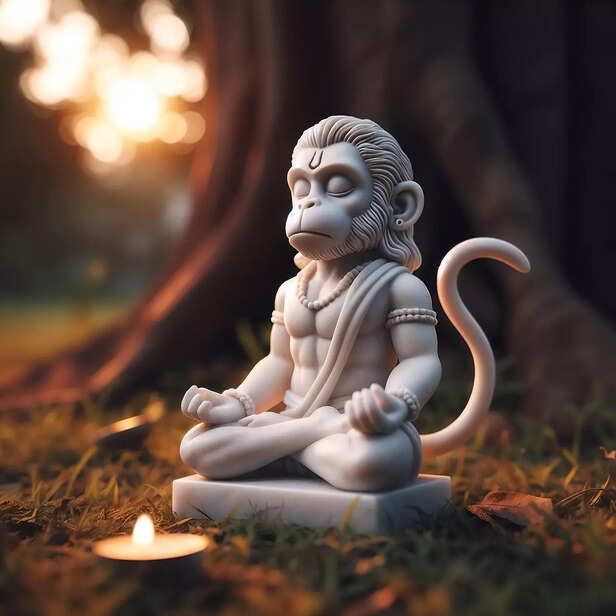
Hanuman Receives Boons
Image credit : Pixabay
This line translates to: He destroys disease and removes all suffering for those who constantly chant the name of the brave Hanuman.
Spiritually, this verse emphasizes the healing dimension of devotion. Hanuman is associated with vitality and life force, symbolized by his bringing the Sanjeevani herb to save Lakshmana in the Ramayana. The line reflects a theological idea that remembrance aligns the devotee with divine strength, which reduces mental and emotional suffering. While not a substitute for medical care, the verse has historically provided psychological reassurance and resilience during illness.
2. संकट से हनुमान छुड़ावै, मन क्रम वचन ध्यान जो लावै
This line directly connects devotion with liberation from adversity. It is one of the most recited verses during personal and financial hardships. Theologically, it reinforces the Bhakti principle that sincere focus transforms internal chaos into clarity. The emphasis on mind, action, and speech reflects a holistic spiritual discipline where faith is not passive but conscious and aligned.
3. भूत पिशाच निकट नहिं आवै, महावीर जब नाम सुनावै
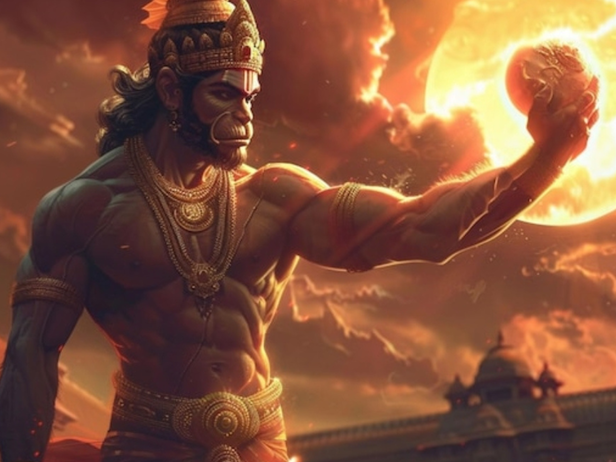
Hanuman
Image credit : Freepik
Negative forces do not come near when the name of the mighty hero is spoken.
In traditional Hindu belief systems, negative energies symbolize fear, anxiety, and unseen obstacles. This verse is often recited at night or during periods of intense fear. It reflects the protective aspect of Hanuman, who is considered a guardian figure. Scriptural traditions describe him as a warrior who removes both physical and metaphysical threats. Devotees interpret this line as a reminder that courage dispels fear.
4. सब सुख लहै तुम्हारी सरना, तुम रक्षक काहू को डरना
This line encapsulates surrender. It echoes broader teachings from the Ramayana and other Bhakti texts that refuge in the divine dissolves insecurity. The verse does not promise the absence of challenges but affirms protection in their midst. The psychological effect of this surrender often reduces anxiety because it shifts focus from helplessness to trust.
5. राम दुआरे तुम रखवारे, होत न आज्ञा बिनु पैसारे
In theological symbolism, Rama represents righteousness and divine order. Hanuman, as the devoted servant, stands at the gateway of grace. This line reflects the belief that Hanuman acts as an intercessor who grants access to divine blessings. During crises involving moral confusion or major decisions, devotees recite this line to seek clarity and rightful outcomes.
6. जो सत बार पाठ कर कोई, छूटहि बंदि महा सुख होई
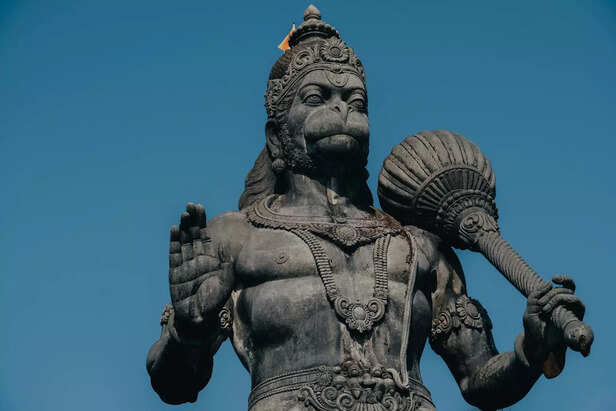
Hanuman ji
Image credit : Pexels
Whoever recites this one hundred times is freed from bondage and attains great joy.
The number one hundred here symbolizes disciplined repetition and focused devotion. Traditionally, continuous recitation of the Hanuman Chalisa has been associated with overcoming imprisonment, emotional entrapment, and persistent obstacles. The concept of bondage can be interpreted spiritually as attachment, fear, or karmic patterns. The verse encourages sustained practice rather than momentary prayer.