
6 Powerful Tuesday Rituals That Can Change Your Destiny with Hanuman Ji’s Blessings
Nidhi | Feb 24, 2026, 12:04 IST

Hanuman
Image credit : Ai
Tuesdays are considered highly auspicious for worshipping Hanuman Ji, the symbol of strength, devotion and protection. Many devotees believe that specific Tuesday rituals can remove obstacles, reduce fear and bring positive transformation in life. From fasting and chanting Hanuman Chalisa to offering sindoor and performing charity, these powerful practices are rooted in tradition and faith. Here are six important Tuesday rituals that are believed to attract Hanuman Ji’s blessings and spiritual strength.
“मनोजवं मारुततुल्यवेगं जितेन्द्रियं बुद्धिमतां वरिष्ठम्।
वातात्मजं वानरयूथमुख्यं श्रीरामदूतं शरणं प्रपद्ये॥”
Swift as the mind, powerful as the wind, master of senses and supreme in wisdom — this ancient Sanskrit shloka describes none other than Lord Hanuman. Across India, Tuesdays carry a distinct spiritual vibration. The day is dedicated to Hanuman Ji, the embodiment of strength, devotion, courage and protection. From small village shrines to grand temples echoing with Hanuman Chalisa, devotees gather every Tuesday with one intention — to seek blessings that remove fear, obstacles and negativity.
But Tuesday worship is not merely about lighting a lamp and offering prayers. Hindu scriptures, regional traditions and temple practices outline specific rituals believed to strengthen one’s inner resolve and attract divine grace. These rituals are rooted in faith but also carry symbolic meaning that aligns the mind with discipline, humility and surrender.
![Science connection of Fasting]()
Fasting on Tuesday, known as Mangalvar Vrat, is one of the most widely practiced rituals dedicated to Hanuman Ji. The term Mangal itself is associated with the planet Mars, which signifies strength, discipline and courage in Vedic astrology. Hanuman Ji is believed to pacify the malefic effects of Mars and grant stability and protection.
Devotees usually consume only one meal during the day or follow a fruit based fast. Some observe a strict fast without salt. The idea behind the vrat is self control. Hanuman Ji is revered as the master of senses, and fasting symbolizes conquering desires and distractions. It is believed that sincere Tuesday fasting helps remove fear, protect from negative influences and grant mental clarity.
This ritual also cultivates discipline, which mirrors Hanuman’s unwavering devotion to Lord Rama.
The Hanuman Chalisa, composed by Goswami Tulsidas in the 16th century, is one of the most powerful devotional hymns in Hindu tradition. Reciting it on Tuesday holds special importance. The forty verses describe Hanuman’s virtues, strength, humility and unwavering bhakti.
The Chalisa repeatedly emphasizes Hanuman’s ability to destroy fear, illness and evil energies. Devotees believe that chanting it with focus creates a protective aura. Temples across India witness group recitations every Tuesday evening, where the atmosphere becomes charged with rhythmic devotion.
The power of the Chalisa lies not only in faith but in repetition. Regular chanting strengthens concentration and reduces anxiety. Spiritually, it reinforces surrender to divine protection.
One of the most recognizable Tuesday rituals is offering sindoor mixed with jasmine oil to Hanuman Ji. This tradition is linked to a popular legend from the Ramayana period. It is believed that Hanuman once applied sindoor all over his body after seeing Goddess Sita apply it for Lord Rama’s long life. When asked why, he replied that if a small amount ensures Rama’s well being, covering his entire body would protect him even more.
Because of this symbolic act of devotion, devotees apply sindoor to Hanuman idols, especially on Tuesdays. Jasmine oil is often used along with it. The bright orange color represents energy, strength and devotion. Temples like Sankat Mochan Hanuman Temple are especially known for this offering ritual.
Spiritually, this act signifies complete surrender and selfless love for the divine.
![Important Values From Lord Hanuman for Children]()
Temple visits hold special significance on Tuesdays. Many devotees prefer visiting early morning before sunrise or during sunset aarti. The calmness of dawn and the glow of evening lamps create a spiritually uplifting environment.
Famous temples such as Hanuman Garhi and Salasar Balaji Temple witness heavy footfall on Tuesdays. Devotees offer garlands made of marigold flowers, betel leaves and laddoos, which are traditionally associated with Hanuman Ji.
The temple visit is more than ritual attendance. It is a symbolic act of seeking refuge. Hanuman Ji is called Sankat Mochan, the remover of troubles. Visiting his shrine is believed to clear obstacles and provide inner confidence to face life’s challenges.
Beyond Hanuman Chalisa, some devotees perform deeper scriptural recitations on Tuesdays such as Bajrang Baan and Sundarkand from the Ramcharitmanas. Sundarkand narrates Hanuman’s heroic journey to Lanka, his meeting with Sita and the burning of Lanka.
The narrative symbolizes courage, intelligence and devotion triumphing over adversity. Reciting Sundarkand on Tuesday is considered especially auspicious during difficult phases of life. It is believed to remove fear, ward off negative influences and strengthen faith.
Bajrang Baan is another powerful prayer that invokes Hanuman’s protective energy. Devotees approach this chant with seriousness and discipline, as it is traditionally recited with purity of intent.
Acts of charity are integral to Tuesday worship. Offering food to the needy, donating red clothes or feeding monkeys are common practices. Monkeys are associated with Hanuman as he is considered the Vanara chief in the Ramayana.
Feeding monkeys with jaggery and roasted gram is a symbolic act of gratitude and humility. It reminds devotees of Hanuman’s simple and devoted nature. Charity on Tuesday is believed to reduce ego and cultivate compassion, qualities that align with true devotion.
Some also donate to temples or distribute prasad among children. The essence of this ritual lies in service. Hanuman Ji is the ultimate servant of Lord Rama. Serving others becomes a reflection of his divine example.
वातात्मजं वानरयूथमुख्यं श्रीरामदूतं शरणं प्रपद्ये॥”
Swift as the mind, powerful as the wind, master of senses and supreme in wisdom — this ancient Sanskrit shloka describes none other than Lord Hanuman. Across India, Tuesdays carry a distinct spiritual vibration. The day is dedicated to Hanuman Ji, the embodiment of strength, devotion, courage and protection. From small village shrines to grand temples echoing with Hanuman Chalisa, devotees gather every Tuesday with one intention — to seek blessings that remove fear, obstacles and negativity.
But Tuesday worship is not merely about lighting a lamp and offering prayers. Hindu scriptures, regional traditions and temple practices outline specific rituals believed to strengthen one’s inner resolve and attract divine grace. These rituals are rooted in faith but also carry symbolic meaning that aligns the mind with discipline, humility and surrender.
1. Observing Tuesday Fast

Science connection of Fasting
Image credit : Freepik
Fasting on Tuesday, known as Mangalvar Vrat, is one of the most widely practiced rituals dedicated to Hanuman Ji. The term Mangal itself is associated with the planet Mars, which signifies strength, discipline and courage in Vedic astrology. Hanuman Ji is believed to pacify the malefic effects of Mars and grant stability and protection.
Devotees usually consume only one meal during the day or follow a fruit based fast. Some observe a strict fast without salt. The idea behind the vrat is self control. Hanuman Ji is revered as the master of senses, and fasting symbolizes conquering desires and distractions. It is believed that sincere Tuesday fasting helps remove fear, protect from negative influences and grant mental clarity.
This ritual also cultivates discipline, which mirrors Hanuman’s unwavering devotion to Lord Rama.
2. Recitation of Hanuman Chalisa
The Chalisa repeatedly emphasizes Hanuman’s ability to destroy fear, illness and evil energies. Devotees believe that chanting it with focus creates a protective aura. Temples across India witness group recitations every Tuesday evening, where the atmosphere becomes charged with rhythmic devotion.
The power of the Chalisa lies not only in faith but in repetition. Regular chanting strengthens concentration and reduces anxiety. Spiritually, it reinforces surrender to divine protection.
3. Offering Sindoor and Jasmine Oil
Because of this symbolic act of devotion, devotees apply sindoor to Hanuman idols, especially on Tuesdays. Jasmine oil is often used along with it. The bright orange color represents energy, strength and devotion. Temples like Sankat Mochan Hanuman Temple are especially known for this offering ritual.
Spiritually, this act signifies complete surrender and selfless love for the divine.
4. Visiting Hanuman Temples at Sunrise or Sunset
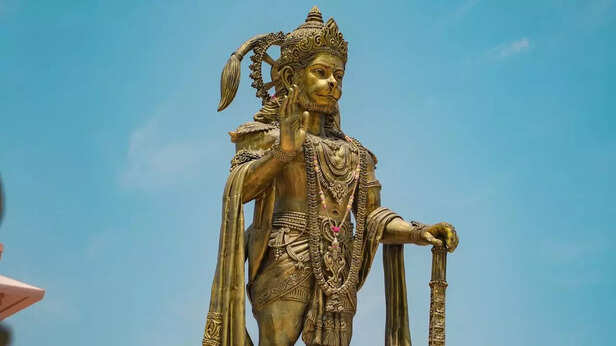
Important Values From Lord Hanuman for Children
Image credit : Pexels
Temple visits hold special significance on Tuesdays. Many devotees prefer visiting early morning before sunrise or during sunset aarti. The calmness of dawn and the glow of evening lamps create a spiritually uplifting environment.
Famous temples such as Hanuman Garhi and Salasar Balaji Temple witness heavy footfall on Tuesdays. Devotees offer garlands made of marigold flowers, betel leaves and laddoos, which are traditionally associated with Hanuman Ji.
The temple visit is more than ritual attendance. It is a symbolic act of seeking refuge. Hanuman Ji is called Sankat Mochan, the remover of troubles. Visiting his shrine is believed to clear obstacles and provide inner confidence to face life’s challenges.
5. Chanting Bajrang Baan or Sundarkand
The narrative symbolizes courage, intelligence and devotion triumphing over adversity. Reciting Sundarkand on Tuesday is considered especially auspicious during difficult phases of life. It is believed to remove fear, ward off negative influences and strengthen faith.
Bajrang Baan is another powerful prayer that invokes Hanuman’s protective energy. Devotees approach this chant with seriousness and discipline, as it is traditionally recited with purity of intent.
6. Charity and Feeding Monkeys
Feeding monkeys with jaggery and roasted gram is a symbolic act of gratitude and humility. It reminds devotees of Hanuman’s simple and devoted nature. Charity on Tuesday is believed to reduce ego and cultivate compassion, qualities that align with true devotion.
Some also donate to temples or distribute prasad among children. The essence of this ritual lies in service. Hanuman Ji is the ultimate servant of Lord Rama. Serving others becomes a reflection of his divine example.