
6 Temples in India Where Men Are Completely Banned – Here’s Why
Nidhi | Feb 17, 2026, 17:42 IST

Temples Men are not allowed
Image credit : Ai
India’s temple traditions are more complex than most people realize. While debates often focus on women’s entry into temples, there are also sacred spaces where men are restricted. From Kerala to Assam, certain temples follow centuries-old rituals that limit male participation during specific ceremonies. These practices are rooted in theology, symbolism, and Shakti worship rather than discrimination. This article explores six temples in India where men are not allowed, the history behind these customs, and why devotees continue to respect these traditions even today.
“यत्र नार्यस्तु पूज्यन्ते रमन्ते तत्र देवताः।”
Where women are honored, there the divine dwells.
When we talk about temple entry in India, the debate usually goes in one direction. We hear about women being restricted. We hear about court cases. We hear about equality versus tradition.
But there is another side to this story that many people do not know. Across India, there are temples where men are not allowed to enter certain spaces, and in some cases, not allowed at all during specific rituals. There are no protests outside these temples. There are no viral hashtags. The rules are known, respected, and quietly followed.
Why?
The answer lies not in discrimination, but in theology, symbolism, and the deep philosophy of the divine feminine in Hindu tradition.
![7 Indian Temples]()
In Thiruvananthapuram stands the Attukal Bhagavathy Temple, often called the Sabarimala for women. During the famous Attukal Pongala festival, millions of women gather to cook an offering for the Goddess. Streets turn into sacred kitchens. Flames rise in unison. It becomes one of the largest gatherings of women devotees in the world.
During this ritual, men step aside.
The reason is symbolic. The Goddess is worshipped in her fierce and protective form, and the ritual is designed as a collective expression of feminine energy. The cooking is not just about food. It represents prosperity, protection, and the creative power of women.
Men are not excluded out of hostility. They are simply not part of that specific spiritual expression. The space, for those few hours, belongs entirely to women.
In this temple, something unusual happens every year. During the Naari Puja, women are worshipped as embodiments of the Goddess herself. The chief priest symbolically washes the feet of women devotees.
The ritual reverses traditional power structures. Here, the woman is not the worshipper alone. She is the divine.
Men do not participate in the core ritual because the ceremony centers on recognizing women as Shakti, the cosmic feminine force. The restriction is theological. In Shakta philosophy, the feminine is not secondary to the masculine. It is the source of creation itself.
For devotees, this is not about exclusion. It is about focus.
![Brahma]()
Pushkar is home to one of the very few temples dedicated to Lord Brahma. While men can visit the temple, certain ritual spaces restrict married men from performing offerings.
The reasoning comes from mythology. According to temple lore, Goddess Saraswati was angered during a yajna performed by Brahma. As part of the legend, restrictions were placed on married men performing certain rites at this temple.
Whether one reads this as literal history or symbolic storytelling, the rule has survived centuries. It reflects how myth shapes ritual practice in Hindu tradition.
Temple customs are often not random. They are living echoes of stories preserved over generations.
Kamakhya is one of the most powerful Shakti Peethas in India. The temple does not worship the Goddess in a human form. Instead, it reveres a natural stone formation representing the womb of the divine feminine.
Every year during the Ambubachi Mela, the temple closes for three days. This period symbolizes the Goddess’s menstrual cycle. When the temple reopens, devotees celebrate the fertility and creative power of nature.
While men are not permanently banned, the rituals are deeply centered on feminine biology and sacred fertility. The message is striking. In a society where menstruation is often stigmatized, this temple treats it as sacred.
The emphasis on feminine embodiment shapes the ritual structure and participation.
In certain Santoshi Mata temples, especially those influenced by local traditions, women lead and dominate the ritual practices. On specific days, men are discouraged from entering the inner sanctum.
Santoshi Mata is widely worshipped by women observing Friday fasts for family well-being and emotional fulfillment. The temple culture naturally evolved around female-led devotion.
The restriction here is less about formal prohibition and more about devotional culture. The temple becomes a shared spiritual refuge for women.
![Temple]()
Some Bhagavathi temples in South India observe rituals where men are not permitted to enter the sanctum during particular ceremonies. The Goddess may be worshipped as a virgin deity, symbolizing purity, independence, and self-contained power.
The boundaries reinforce the symbolic identity of the deity. The idea is not that men are impure. It is that the ritual represents a sacred vow or state of the Goddess that must be preserved symbolically.
In many cases, these restrictions apply only during specific festivals or times.
Where women are honored, there the divine dwells.
When we talk about temple entry in India, the debate usually goes in one direction. We hear about women being restricted. We hear about court cases. We hear about equality versus tradition.
But there is another side to this story that many people do not know. Across India, there are temples where men are not allowed to enter certain spaces, and in some cases, not allowed at all during specific rituals. There are no protests outside these temples. There are no viral hashtags. The rules are known, respected, and quietly followed.
Why?
The answer lies not in discrimination, but in theology, symbolism, and the deep philosophy of the divine feminine in Hindu tradition.
1. Attukal Bhagavathy Temple, Kerala
7 Indian Temples
Image credit : Freepik
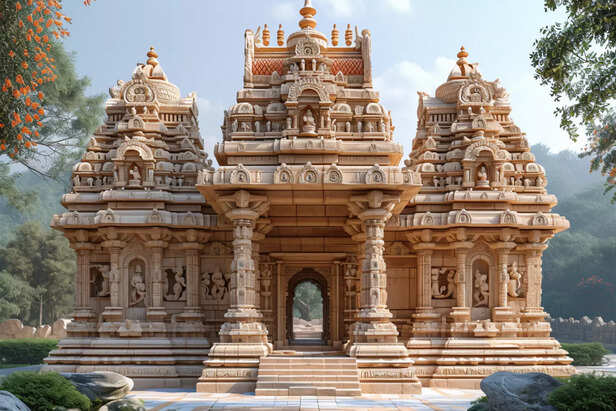
In Thiruvananthapuram stands the Attukal Bhagavathy Temple, often called the Sabarimala for women. During the famous Attukal Pongala festival, millions of women gather to cook an offering for the Goddess. Streets turn into sacred kitchens. Flames rise in unison. It becomes one of the largest gatherings of women devotees in the world.
During this ritual, men step aside.
The reason is symbolic. The Goddess is worshipped in her fierce and protective form, and the ritual is designed as a collective expression of feminine energy. The cooking is not just about food. It represents prosperity, protection, and the creative power of women.
Men are not excluded out of hostility. They are simply not part of that specific spiritual expression. The space, for those few hours, belongs entirely to women.
2. Chakkulathukavu Temple, Kerala
The ritual reverses traditional power structures. Here, the woman is not the worshipper alone. She is the divine.
Men do not participate in the core ritual because the ceremony centers on recognizing women as Shakti, the cosmic feminine force. The restriction is theological. In Shakta philosophy, the feminine is not secondary to the masculine. It is the source of creation itself.
For devotees, this is not about exclusion. It is about focus.
3. Brahma Temple, Pushkar, Rajasthan
Brahma
Image credit : Pixabay
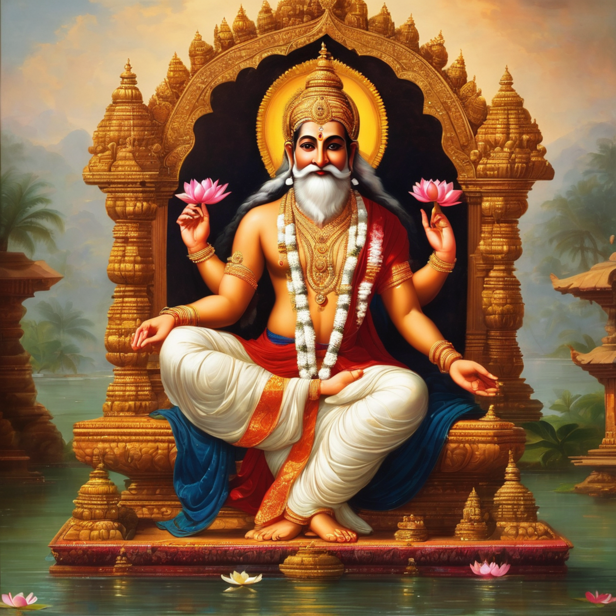
Pushkar is home to one of the very few temples dedicated to Lord Brahma. While men can visit the temple, certain ritual spaces restrict married men from performing offerings.
The reasoning comes from mythology. According to temple lore, Goddess Saraswati was angered during a yajna performed by Brahma. As part of the legend, restrictions were placed on married men performing certain rites at this temple.
Whether one reads this as literal history or symbolic storytelling, the rule has survived centuries. It reflects how myth shapes ritual practice in Hindu tradition.
Temple customs are often not random. They are living echoes of stories preserved over generations.
4. Kamakhya Temple, Assam
Every year during the Ambubachi Mela, the temple closes for three days. This period symbolizes the Goddess’s menstrual cycle. When the temple reopens, devotees celebrate the fertility and creative power of nature.
While men are not permanently banned, the rituals are deeply centered on feminine biology and sacred fertility. The message is striking. In a society where menstruation is often stigmatized, this temple treats it as sacred.
The emphasis on feminine embodiment shapes the ritual structure and participation.
5. Santoshi Mata Traditions, Vrindavan
Santoshi Mata is widely worshipped by women observing Friday fasts for family well-being and emotional fulfillment. The temple culture naturally evolved around female-led devotion.
The restriction here is less about formal prohibition and more about devotional culture. The temple becomes a shared spiritual refuge for women.
6. Bhagavathi Temples in Tamil Nadu
Temple
Image credit : Freepik
Some Bhagavathi temples in South India observe rituals where men are not permitted to enter the sanctum during particular ceremonies. The Goddess may be worshipped as a virgin deity, symbolizing purity, independence, and self-contained power.
The boundaries reinforce the symbolic identity of the deity. The idea is not that men are impure. It is that the ritual represents a sacred vow or state of the Goddess that must be preserved symbolically.
In many cases, these restrictions apply only during specific festivals or times.