
6 Times Lord Shiva Protected His Devotees in Kalyug
Nidhi | Feb 16, 2026, 22:39 IST

Shiva
Image credit : Ai
In Kalyug, when faith is often tested and life feels uncertain, devotees believe Lord Shiva continues to protect those who surrender to him. From ancient legends like Markandeya’s rescue from death to the miraculous survival of Kedarnath Temple during the 2013 floods, Shiva’s protective grace is deeply rooted in belief and scripture. This article explores six powerful instances where Lord Shiva is believed to have safeguarded his devotees, offering hope, spiritual reassurance and timeless lessons of faith in the modern age.
“नमः शिवाय शान्ताय कारणत्रयहेतवे।
निवेदयामि चात्मानं त्वमेव गतिर् मम॥”
Salutations to the peaceful Shiva, the cause of all causes. I surrender myself to you, for you alone are my refuge.
In the age of Kalyug, where confusion rises faster than clarity and faith is constantly tested, millions of devotees turn toward Lord Shiva not only as a destroyer of evil but as a compassionate protector. Hindu scriptures describe Kalyug as an era marked by moral decline, spiritual forgetfulness and material obsession. Yet it is also said that devotion in this age yields quicker grace because sincere faith shines brighter amid darkness.
Across temples, pilgrimages and sacred legends associated with this era, there are powerful accounts of how Shiva protected his devotees from danger, despair and destruction. These stories are not merely mythological episodes. They represent spiritual principles that continue to inspire believers even today.
![Shiva Meditation]()
One of the most well known legends connected to Shiva’s protective power is the story of Markandeya. Though the story originates in earlier yugas, it remains deeply relevant in Kalyug and is frequently retold to emphasize Shiva’s role as Mrityunjaya, the conqueror of death.
According to the Shiva Purana, Markandeya was destined to die at the age of sixteen. A devoted worshipper of Shiva, he spent his final day in intense prayer, embracing the Shiva Linga. When Yama, the god of death, arrived to claim him, Shiva emerged from the Linga in fury and stopped Yama. In some versions, Shiva even subdued Yama to protect his devotee.
The theological message is significant. Devotion, sincerity and surrender can transcend even karmic limitations. The Mahamrityunjaya Mantra, associated with this episode, is still chanted by millions in Kalyug for protection from untimely death and severe illness. The story reinforces the belief that Shiva protects those who take refuge in him with unwavering faith.
![Rudraprayag , Oct 22 (ANI): Kedarnath Temple beautifully decorated with flowers ...]()
The temple of Kedarnath Temple is one of the twelve Jyotirlingas and holds immense significance in Kalyug. In 2013, devastating floods struck Uttarakhand, destroying entire towns and claiming thousands of lives. The Kedarnath region faced massive destruction.
Yet the main shrine remained largely intact. A massive boulder, later called the Bhim Shila, lodged itself behind the temple, diverting the force of the floodwaters. Devotees saw this as Shiva’s intervention to protect his abode and those who had gathered in faith.
While geologists explained the event through natural processes, believers viewed it as divine grace. In Kalyug, where faith often competes with skepticism, the survival of Kedarnath strengthened devotion across India. It reminded followers that sacred spaces dedicated to Shiva are considered under his protection.
The story of Kannappa, one of the 63 Nayanars of Tamil Shaivism, is frequently cited to illustrate Shiva’s compassion for pure devotion over ritual perfection.
Kannappa was a hunter who worshipped Shiva in his own simple way. According to legend, he offered raw meat and water carried in his mouth to a Shiva Linga, unaware of orthodox rules. When he saw blood flowing from one of the Linga’s eyes, he plucked out his own eye to stop the bleeding. When the second eye began to bleed, he prepared to sacrifice his remaining eye.
Before he could do so, Shiva appeared and restored his sight, declaring him among his greatest devotees.
In Kalyug, this legend reinforces a crucial teaching. Ritual precision is secondary to sincerity. Shiva protects and uplifts those who approach him with genuine love, regardless of social status or religious sophistication. The emphasis is on devotion rather than external purity.
The city of Varanasi, also known as Kashi, is considered Shiva’s eternal abode. The Kashi Vishwanath temple, one of the Jyotirlingas, has faced repeated destruction in historical invasions. Yet devotion in Kashi never diminished.
Shaivite traditions state that Shiva personally whispers the Taraka Mantra into the ears of those who die in Kashi, granting liberation. The belief that Shiva grants moksha in Kalyug from this sacred city makes it a spiritual refuge for millions.
Despite political turmoil and centuries of upheaval, Kashi remained a center of Shaiva worship. Devotees interpret this continuity as Shiva’s protection over his city and its spiritual legacy. In Kalyug, where liberation is considered difficult, Kashi represents hope that Shiva still actively safeguards the path to moksha.
![Amarnath Yatra suspended for day due to continuous rainfall]()
The cave shrine of Amarnath Cave Temple is associated with Shiva’s revelation of the secret of immortality to Parvati. The naturally forming ice Shiva Linga draws thousands of pilgrims each year despite harsh terrain and security challenges.
Over decades, the region has faced instability and threats. Yet the annual Amarnath Yatra continues with immense participation. Many devotees believe that Shiva protects those who undertake the difficult pilgrimage with sincere intention.
Scriptural tradition emphasizes that Shiva chose an isolated, protected cave to reveal cosmic secrets, symbolizing that spiritual knowledge is safeguarded by divine will. In Kalyug, the continued existence and accessibility of this shrine is seen as Shiva’s ongoing guardianship over sacred revelation and faithful seekers.
The twelve Jyotirlingas across India are believed to be self manifested forms of Shiva. Texts like the Shiva Purana describe these as pillars of divine light through which Shiva protects the world.
From Somnath Temple to Rameswaram Temple, many of these temples have faced historical destruction and reconstruction. Somnath in particular was rebuilt multiple times after invasions. Devotees interpret this repeated revival as evidence that Shiva’s presence cannot be erased.
The theological meaning is profound. Destruction does not equal defeat. In Kalyug, when instability and change dominate, Shiva’s protection may not always prevent hardship but ensures renewal. The recurring restoration of Jyotirlingas symbolizes resilience under divine protection.
निवेदयामि चात्मानं त्वमेव गतिर् मम॥”
Salutations to the peaceful Shiva, the cause of all causes. I surrender myself to you, for you alone are my refuge.
In the age of Kalyug, where confusion rises faster than clarity and faith is constantly tested, millions of devotees turn toward Lord Shiva not only as a destroyer of evil but as a compassionate protector. Hindu scriptures describe Kalyug as an era marked by moral decline, spiritual forgetfulness and material obsession. Yet it is also said that devotion in this age yields quicker grace because sincere faith shines brighter amid darkness.
Across temples, pilgrimages and sacred legends associated with this era, there are powerful accounts of how Shiva protected his devotees from danger, despair and destruction. These stories are not merely mythological episodes. They represent spiritual principles that continue to inspire believers even today.
1. Protecting Markandeya from Death
Shiva Meditation
Image credit : Freepik
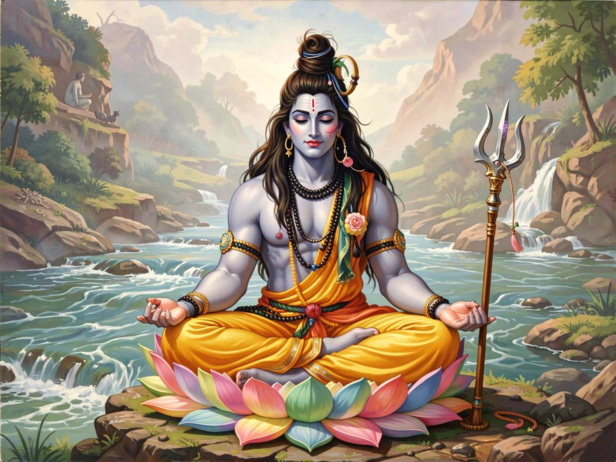
One of the most well known legends connected to Shiva’s protective power is the story of Markandeya. Though the story originates in earlier yugas, it remains deeply relevant in Kalyug and is frequently retold to emphasize Shiva’s role as Mrityunjaya, the conqueror of death.
According to the Shiva Purana, Markandeya was destined to die at the age of sixteen. A devoted worshipper of Shiva, he spent his final day in intense prayer, embracing the Shiva Linga. When Yama, the god of death, arrived to claim him, Shiva emerged from the Linga in fury and stopped Yama. In some versions, Shiva even subdued Yama to protect his devotee.
The theological message is significant. Devotion, sincerity and surrender can transcend even karmic limitations. The Mahamrityunjaya Mantra, associated with this episode, is still chanted by millions in Kalyug for protection from untimely death and severe illness. The story reinforces the belief that Shiva protects those who take refuge in him with unwavering faith.
2. Saving the Devotees of Kedarnath During Calamity
Rudraprayag , Oct 22 (ANI): Kedarnath Temple beautifully decorated with flowers ...
Image credit : ANI
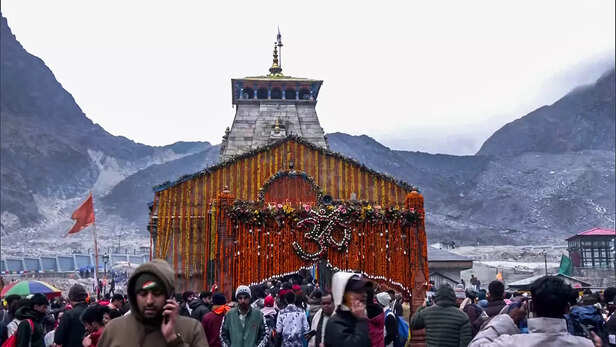
The temple of Kedarnath Temple is one of the twelve Jyotirlingas and holds immense significance in Kalyug. In 2013, devastating floods struck Uttarakhand, destroying entire towns and claiming thousands of lives. The Kedarnath region faced massive destruction.
Yet the main shrine remained largely intact. A massive boulder, later called the Bhim Shila, lodged itself behind the temple, diverting the force of the floodwaters. Devotees saw this as Shiva’s intervention to protect his abode and those who had gathered in faith.
While geologists explained the event through natural processes, believers viewed it as divine grace. In Kalyug, where faith often competes with skepticism, the survival of Kedarnath strengthened devotion across India. It reminded followers that sacred spaces dedicated to Shiva are considered under his protection.
3. Granting Refuge to Kannappa Nayanar
Kannappa was a hunter who worshipped Shiva in his own simple way. According to legend, he offered raw meat and water carried in his mouth to a Shiva Linga, unaware of orthodox rules. When he saw blood flowing from one of the Linga’s eyes, he plucked out his own eye to stop the bleeding. When the second eye began to bleed, he prepared to sacrifice his remaining eye.
Before he could do so, Shiva appeared and restored his sight, declaring him among his greatest devotees.
In Kalyug, this legend reinforces a crucial teaching. Ritual precision is secondary to sincerity. Shiva protects and uplifts those who approach him with genuine love, regardless of social status or religious sophistication. The emphasis is on devotion rather than external purity.
4. Protecting the Devotees of Kashi
Shaivite traditions state that Shiva personally whispers the Taraka Mantra into the ears of those who die in Kashi, granting liberation. The belief that Shiva grants moksha in Kalyug from this sacred city makes it a spiritual refuge for millions.
Despite political turmoil and centuries of upheaval, Kashi remained a center of Shaiva worship. Devotees interpret this continuity as Shiva’s protection over his city and its spiritual legacy. In Kalyug, where liberation is considered difficult, Kashi represents hope that Shiva still actively safeguards the path to moksha.
5. Shielding the Amarnath Pilgrims
Amarnath Yatra suspended for day due to continuous rainfall
Image credit : ANI
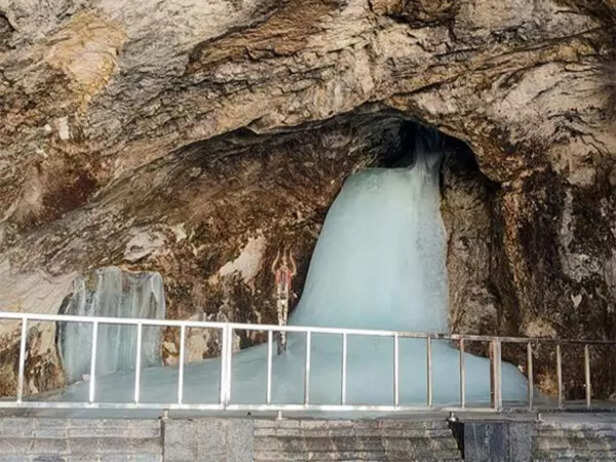
The cave shrine of Amarnath Cave Temple is associated with Shiva’s revelation of the secret of immortality to Parvati. The naturally forming ice Shiva Linga draws thousands of pilgrims each year despite harsh terrain and security challenges.
Over decades, the region has faced instability and threats. Yet the annual Amarnath Yatra continues with immense participation. Many devotees believe that Shiva protects those who undertake the difficult pilgrimage with sincere intention.
Scriptural tradition emphasizes that Shiva chose an isolated, protected cave to reveal cosmic secrets, symbolizing that spiritual knowledge is safeguarded by divine will. In Kalyug, the continued existence and accessibility of this shrine is seen as Shiva’s ongoing guardianship over sacred revelation and faithful seekers.
6. The Legend of the Jyotirlingas and Ongoing Protection
From Somnath Temple to Rameswaram Temple, many of these temples have faced historical destruction and reconstruction. Somnath in particular was rebuilt multiple times after invasions. Devotees interpret this repeated revival as evidence that Shiva’s presence cannot be erased.
The theological meaning is profound. Destruction does not equal defeat. In Kalyug, when instability and change dominate, Shiva’s protection may not always prevent hardship but ensures renewal. The recurring restoration of Jyotirlingas symbolizes resilience under divine protection.