
6 Ways Devotees Feel Shiva’s Presence in Daily Life
Nidhi | Mar 02, 2026, 18:54 IST

Lord Shiva
Image credit : Ai
Lord Shiva is not only worshipped in temples but experienced in everyday life through mantra, meditation, simplicity, nature, and inner transformation. Discover six meaningful ways devotees feel Shiva’s presence in daily life and understand how Shaiva philosophy connects spirituality with ordinary moments.
“नागेन्द्रहाराय त्रिलोचनाय भस्माङ्गरागाय महेश्वराय।
नित्याय शुद्धाय दिगम्बराय तस्मै नकाराय नमः शिवाय॥”
To Shiva, the eternal one, pure and boundless, who wears the serpent as a garland and ash as adornment, salutations.
For many devotees, Shiva is not experienced only in temples or during Mahashivratri. His presence is felt in ordinary mornings, in moments of silence, in unexpected strength, and in quiet acceptance. Shiva is not just a deity seated on Mount Kailasa. In Shaiva philosophy, he is consciousness itself. When devotees say they feel Shiva, they often mean they feel a certain steadiness, clarity, or inner courage arise within them.
Here are six deeply human ways devotees feel Shiva’s presence in daily life.
![Contemplation in Silence]()
Shiva is known as the great meditator. In yogic traditions, he is Adiyogi, the source of inner stillness. When a person pauses, breathes deeply, and feels peace returning, it reflects that same meditative energy. The stillness is not empty. It feels protective and steady.
For many devotees, chanting this mantra becomes a daily anchor. It may be recited softly while commuting, during prayer, or in moments of anxiety. The rhythm of the chant steadies breathing and centers the mind.
Over time, the mantra feels less like words and more like a presence. Devotees often describe feeling supported and protected simply by repeating it with faith.
![Acceptance]()
Life constantly changes. Relationships shift. Careers evolve. Plans fall apart. When devotees begin to see change not as punishment but as part of a larger rhythm, they feel guided rather than abandoned.
The image of Nataraja, Shiva dancing within a ring of fire, symbolizes this cycle of creation and dissolution. Remembering this helps many face uncertainty with greater strength.
In daily life, this might mean practicing restraint, being honest, helping others without expectation, or reducing unnecessary desires. These are not dramatic spiritual acts. They are quiet, conscious choices.
When devotees live with integrity and simplicity, they feel aligned with Shiva’s essence. It becomes a practical spirituality, lived through actions rather than display.
These rituals may take only a few minutes, yet they create a pause in the day. A moment to bow, to reflect, to express gratitude. That pause often feels sacred.
Even wearing Rudraksha beads, traditionally associated with Shiva, gives many devotees a subtle sense of grounding and reassurance throughout the day.
![The Meditating Lord of Silence]()
Because of this, many devotees feel closest to Shiva in natural surroundings. The quiet of early morning sky, the sound of flowing water, or the vastness of open space often evokes a sacred feeling.
In those moments, nature does not seem separate from divinity. It feels alive, conscious, and deeply connected.
नित्याय शुद्धाय दिगम्बराय तस्मै नकाराय नमः शिवाय॥”
To Shiva, the eternal one, pure and boundless, who wears the serpent as a garland and ash as adornment, salutations.
For many devotees, Shiva is not experienced only in temples or during Mahashivratri. His presence is felt in ordinary mornings, in moments of silence, in unexpected strength, and in quiet acceptance. Shiva is not just a deity seated on Mount Kailasa. In Shaiva philosophy, he is consciousness itself. When devotees say they feel Shiva, they often mean they feel a certain steadiness, clarity, or inner courage arise within them.
Here are six deeply human ways devotees feel Shiva’s presence in daily life.
In the calm that follows chaos

Contemplation in Silence
Image credit : Freepik
Shiva is known as the great meditator. In yogic traditions, he is Adiyogi, the source of inner stillness. When a person pauses, breathes deeply, and feels peace returning, it reflects that same meditative energy. The stillness is not empty. It feels protective and steady.
In the repetition of “Om Namah Shivaya”
For many devotees, chanting this mantra becomes a daily anchor. It may be recited softly while commuting, during prayer, or in moments of anxiety. The rhythm of the chant steadies breathing and centers the mind.
Over time, the mantra feels less like words and more like a presence. Devotees often describe feeling supported and protected simply by repeating it with faith.
In learning to accept change

Acceptance
Image credit : Freepik
Life constantly changes. Relationships shift. Careers evolve. Plans fall apart. When devotees begin to see change not as punishment but as part of a larger rhythm, they feel guided rather than abandoned.
The image of Nataraja, Shiva dancing within a ring of fire, symbolizes this cycle of creation and dissolution. Remembering this helps many face uncertainty with greater strength.
In choosing simplicity over excess
In daily life, this might mean practicing restraint, being honest, helping others without expectation, or reducing unnecessary desires. These are not dramatic spiritual acts. They are quiet, conscious choices.
When devotees live with integrity and simplicity, they feel aligned with Shiva’s essence. It becomes a practical spirituality, lived through actions rather than display.
In small daily rituals
These rituals may take only a few minutes, yet they create a pause in the day. A moment to bow, to reflect, to express gratitude. That pause often feels sacred.
Even wearing Rudraksha beads, traditionally associated with Shiva, gives many devotees a subtle sense of grounding and reassurance throughout the day.
In moments spent with nature
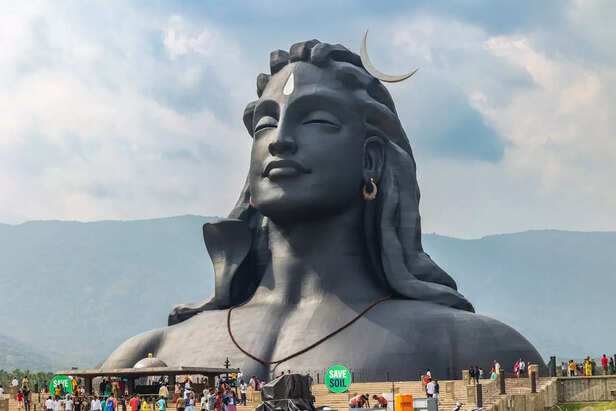
The Meditating Lord of Silence
Image credit : Pexels
Because of this, many devotees feel closest to Shiva in natural surroundings. The quiet of early morning sky, the sound of flowing water, or the vastness of open space often evokes a sacred feeling.
In those moments, nature does not seem separate from divinity. It feels alive, conscious, and deeply connected.