
7 Most Powerful Shakti Peethas Known for Fulfilling Prayers
Nidhi | Feb 09, 2026, 11:21 IST

Shakti peethas
Image credit : Ai
Across the Indian subcontinent, Shakti Peethas are believed to be sacred sites where Goddess Sati’s body parts fell. This article explains seven of the most powerful Shakti Peethas known for fulfilling prayers, their spiritual significance, and why devotees believe these temples hold extraordinary divine energy.
ॐ सर्वमङ्गलमाङ्गल्ये शिवे सर्वार्थसाधिके।
शरण्ये त्र्यम्बके गौरि नारायणि नमोऽस्तुते॥
There are places in Bharat where faith does not feel symbolic. It feels alive. The air is heavy with devotion, the silence feels charged, and prayers seem to leave the lips with direction. The Shakti Peethas are believed to be such spaces. According to the Shakti tradition, these sacred sites emerged where parts of Goddess Sati’s body fell after her self-immolation and Lord Shiva’s cosmic tandava. Each Peetha is associated with a specific form of Shakti, carrying a distinct spiritual energy and purpose.
Ancient texts list 51 Shakti Peethas across the Indian subcontinent, each revered for different reasons. Yet some have stood out through centuries for their intense spiritual reputation and the belief that sincere prayers offered there do not go unanswered. These Peethas are not about miracles alone. They are about transformation, clarity, strength, and inner alignment.
![Guwahati, Jan 01 (ANI): A devotee pays obeisance at Kamakhya temple on the first...]()
The Seat of Creation and Desire
Located on the Nilachal Hills, Kamakhya is one of the most potent centers of Shakti worship in India. This Peetha represents the yoni of Goddess Sati, symbolizing creation, fertility, and the primal force of nature. Unlike most temples, Kamakhya does not worship an idol but a natural stone fissure, continuously fed by an underground spring.
Kamakhya is deeply associated with Tantra, and prayers here are believed to influence life forces directly. Devotees visit seeking solutions related to childbirth, marriage, relationships, and inner power. The annual Ambubachi Mela marks the symbolic menstruation of the Goddess, reinforcing the temple’s connection to natural cycles and feminine energy. Prayers here are said to work not by comfort, but by profound internal change.
The Power of Immediate Justice
Kalighat is among the most revered and intense Shakti Peethas. It is believed that the toes of Goddess Sati fell here. The presiding deity, Goddess Kali, is worshipped as the destroyer of ego, fear, and injustice. This temple has long been associated with swift karmic resolution.
Devotees approach Kalighat during moments of crisis, moral conflict, and emotional turmoil. Prayers here are traditionally focused on protection, justice, and release from prolonged suffering. The energy of Kalighat is fierce yet compassionate, often described as unsettling to the unprepared but deeply reassuring to the sincere seeker.
![Mata Vaishno Devi Shrine Board reviews Yatra preparedness ahead of New Year]()
The Journey of Faith and Endurance
Nestled in the Trikuta Hills, Vaishno Devi is not just a destination but a pilgrimage of endurance. Believed to be the place where the skull of Goddess Sati fell, this Peetha represents the combined energies of Mahakali, Mahalakshmi, and Mahasaraswati.
The physical journey to the shrine mirrors a spiritual one. Devotees often undertake the yatra during difficult phases of life, praying for stability, health, and guidance. The absence of an idol inside the sanctum reinforces the belief that the Goddess manifests as pure energy. Many devotees report clarity and emotional grounding after completing the pilgrimage.
The Eternal Flame of Truth
Jwala Ji is unique among Shakti Peethas because the Goddess is worshipped as a natural flame that has burned continuously for centuries. It is believed that the tongue of Goddess Sati fell at this site. The flames emerge from rock fissures without any apparent fuel, symbolizing eternal consciousness.
Prayers at Jwala Ji are traditionally offered for truth, inner courage, and the removal of ignorance. The temple is associated with clarity in decision-making and the burning away of falsehood. The unextinguishable flame stands as a reminder that divine energy does not require external validation to exist.
The Source of Spiritual Nourishment
Perched atop the Kumari Hills, Tara Tarini is considered one of the oldest Shakti Peethas. It is believed that the breasts of Goddess Sati fell here, symbolizing nourishment and sustenance. The twin goddesses Tara and Tarini are worshipped together, representing balance and continuity.
Devotees often visit this Peetha to seek long-term stability, family well-being, and spiritual grounding. The temple holds particular significance for those starting new phases of life, as prayers here are believed to support growth that is steady rather than sudden.
The Peetha of Mental Strength
Located in present-day Bangladesh, Shrikailasa is associated with the falling of Sati’s neck. The Goddess here is worshipped as Mahalakshmi, and the Peetha is believed to influence mental clarity, resilience, and inner balance.
Historically, this shrine has attracted seekers facing emotional instability or prolonged confusion. Prayers here are said to restore inner order and discipline. Unlike more dramatic Peethas, Shrikailasa is associated with quiet strength and sustained mental focus.
![Devi]()
The Guardian of Faith in Adversity
Hinglaj Mata is one of the most ancient Shakti Peethas and holds immense significance despite its remote desert location. It is believed that the head of Goddess Sati fell here. The temple is revered by Hindus across regions and has survived centuries of political and geographical challenges.
This Peetha is especially associated with protection during hardship and preservation of faith under pressure. Pilgrims often describe the journey as physically demanding but spiritually purifying. Prayers here are believed to strengthen resolve rather than change circumstances overnight.
शरण्ये त्र्यम्बके गौरि नारायणि नमोऽस्तुते॥
There are places in Bharat where faith does not feel symbolic. It feels alive. The air is heavy with devotion, the silence feels charged, and prayers seem to leave the lips with direction. The Shakti Peethas are believed to be such spaces. According to the Shakti tradition, these sacred sites emerged where parts of Goddess Sati’s body fell after her self-immolation and Lord Shiva’s cosmic tandava. Each Peetha is associated with a specific form of Shakti, carrying a distinct spiritual energy and purpose.
Ancient texts list 51 Shakti Peethas across the Indian subcontinent, each revered for different reasons. Yet some have stood out through centuries for their intense spiritual reputation and the belief that sincere prayers offered there do not go unanswered. These Peethas are not about miracles alone. They are about transformation, clarity, strength, and inner alignment.
1. Kamakhya Temple
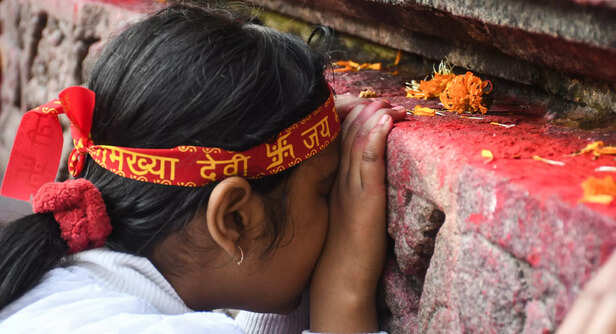
Guwahati, Jan 01 (ANI): A devotee pays obeisance at Kamakhya temple on the first...
Image credit : ANI
The Seat of Creation and Desire
Located on the Nilachal Hills, Kamakhya is one of the most potent centers of Shakti worship in India. This Peetha represents the yoni of Goddess Sati, symbolizing creation, fertility, and the primal force of nature. Unlike most temples, Kamakhya does not worship an idol but a natural stone fissure, continuously fed by an underground spring.
Kamakhya is deeply associated with Tantra, and prayers here are believed to influence life forces directly. Devotees visit seeking solutions related to childbirth, marriage, relationships, and inner power. The annual Ambubachi Mela marks the symbolic menstruation of the Goddess, reinforcing the temple’s connection to natural cycles and feminine energy. Prayers here are said to work not by comfort, but by profound internal change.
2. Kalighat Kali Temple
Kalighat is among the most revered and intense Shakti Peethas. It is believed that the toes of Goddess Sati fell here. The presiding deity, Goddess Kali, is worshipped as the destroyer of ego, fear, and injustice. This temple has long been associated with swift karmic resolution.
Devotees approach Kalighat during moments of crisis, moral conflict, and emotional turmoil. Prayers here are traditionally focused on protection, justice, and release from prolonged suffering. The energy of Kalighat is fierce yet compassionate, often described as unsettling to the unprepared but deeply reassuring to the sincere seeker.
3. Vaishno Devi Temple

Mata Vaishno Devi Shrine Board reviews Yatra preparedness ahead of New Year
Image credit : IANS
The Journey of Faith and Endurance
Nestled in the Trikuta Hills, Vaishno Devi is not just a destination but a pilgrimage of endurance. Believed to be the place where the skull of Goddess Sati fell, this Peetha represents the combined energies of Mahakali, Mahalakshmi, and Mahasaraswati.
The physical journey to the shrine mirrors a spiritual one. Devotees often undertake the yatra during difficult phases of life, praying for stability, health, and guidance. The absence of an idol inside the sanctum reinforces the belief that the Goddess manifests as pure energy. Many devotees report clarity and emotional grounding after completing the pilgrimage.
4. Jwala Ji Temple
Jwala Ji is unique among Shakti Peethas because the Goddess is worshipped as a natural flame that has burned continuously for centuries. It is believed that the tongue of Goddess Sati fell at this site. The flames emerge from rock fissures without any apparent fuel, symbolizing eternal consciousness.
Prayers at Jwala Ji are traditionally offered for truth, inner courage, and the removal of ignorance. The temple is associated with clarity in decision-making and the burning away of falsehood. The unextinguishable flame stands as a reminder that divine energy does not require external validation to exist.
5. Tara Tarini Temple
Perched atop the Kumari Hills, Tara Tarini is considered one of the oldest Shakti Peethas. It is believed that the breasts of Goddess Sati fell here, symbolizing nourishment and sustenance. The twin goddesses Tara and Tarini are worshipped together, representing balance and continuity.
Devotees often visit this Peetha to seek long-term stability, family well-being, and spiritual grounding. The temple holds particular significance for those starting new phases of life, as prayers here are believed to support growth that is steady rather than sudden.
6. Shrikailasa Shakti Peetha
Located in present-day Bangladesh, Shrikailasa is associated with the falling of Sati’s neck. The Goddess here is worshipped as Mahalakshmi, and the Peetha is believed to influence mental clarity, resilience, and inner balance.
Historically, this shrine has attracted seekers facing emotional instability or prolonged confusion. Prayers here are said to restore inner order and discipline. Unlike more dramatic Peethas, Shrikailasa is associated with quiet strength and sustained mental focus.
7. Hinglaj Mata Temple
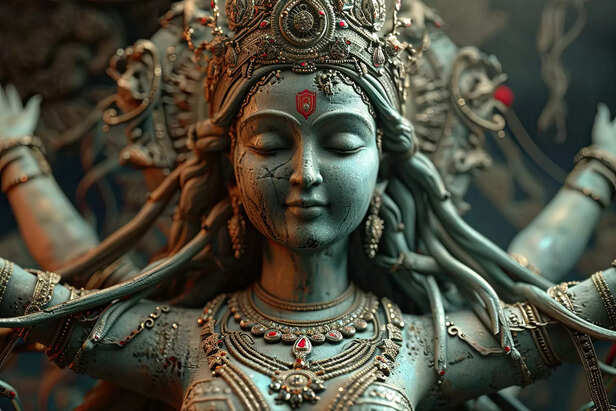
Devi
Image credit : Freepik
The Guardian of Faith in Adversity
Hinglaj Mata is one of the most ancient Shakti Peethas and holds immense significance despite its remote desert location. It is believed that the head of Goddess Sati fell here. The temple is revered by Hindus across regions and has survived centuries of political and geographical challenges.
This Peetha is especially associated with protection during hardship and preservation of faith under pressure. Pilgrims often describe the journey as physically demanding but spiritually purifying. Prayers here are believed to strengthen resolve rather than change circumstances overnight.