
7 Places Where Shiva Is Believed to Protect People From Death
Nidhi | Mar 30, 2026, 15:15 IST

Lord Shiva
Image credit : Ai
From Kashi Vishwanath to Mahakaleshwar, several sacred places in India are believed to be protected by Lord Shiva from death and untimely danger. These powerful temples and pilgrimage sites are associated with moksha, immortality, Mahamrityunjaya, and divine protection, making them deeply significant in Hindu belief.
"मृत्युञ्जयाय रुद्राय नीलकण्ठाय शंभवे। अमृतेशाय सर्वाय महादेवाय ते नमः॥"
This ancient prayer to Shiva calls him Mrityunjaya, the one who conquers death. Across India, there are temples, caves, ghats, and sacred towns where people believe Shiva’s presence is so powerful that even death itself becomes less frightening. Some believe he grants liberation. Some believe he protects devotees from untimely death. Others believe he stands silently beside those facing their final journey.
Shiva has never been worshipped only as the destroyer. In Hindu belief, he is also the protector of life, the remover of fear, and the lord who helps the soul cross from one world to another. This is why many of India’s most mysterious places are connected to him through stories of death, rebirth, salvation, and divine protection.
Here are seven places where Shiva is believed to protect people from death.
![Varanasi, Mar 03 (ANI): A view of the Shri Kashi Vishwanath Temple closed due to...]()
Among all places associated with Shiva, Kashi is perhaps the most powerful when it comes to protection from death. Hindu belief says that anyone who dies in Varanasi attains moksha because Shiva himself whispers the Taraka Mantra into the ears of the dying soul.
Kashi is not seen as an ordinary city. It is called Shiva’s eternal city, a place believed to stand beyond time and destruction. Ancient texts say that even when the world ends, Kashi remains protected by Shiva.
The Manikarnika Ghat and Harishchandra Ghat are deeply connected with this belief. Thousands of people travel to Varanasi in old age because they wish to spend their last days in a city where Shiva is believed to guide them beyond the cycle of birth and death.
The very name Mahakaleshwar means “Lord of Time and Death.” This temple in Ujjain is one of the twelve Jyotirlingas and is considered especially powerful because Shiva here is worshipped as Mahakal, the one who rules over death itself.
According to legend, Shiva appeared here to protect devotees from a demon named Dushan. In his fierce form as Mahakal, he destroyed evil and promised to remain in Ujjain forever.
Many devotees believe that worshipping Mahakaleshwar protects them from untimely death, fear, accidents, and negative forces. The famous Bhasma Aarti, where sacred ash is offered to Shiva, is also deeply symbolic. It reminds devotees that the body is temporary, but the soul is eternal.
![‘Completely wrong’: Cong as BKTC proposes ban on non-Hindus from entering Dham, temples]()
Located high in the Himalayas, Kedarnath is one of the holiest Shiva temples in India and one of the Char Dham pilgrimage sites. Surrounded by snow-covered mountains and extreme weather, the temple itself feels like a place beyond ordinary life.
Many people believe Kedarnath is not just a temple but a spiritual shield. According to mythology, the Pandavas came here seeking forgiveness after the Mahabharata war. Shiva, pleased with their devotion, blessed the place with immense spiritual power.
During the devastating floods of 2013, one giant rock stopped the force of the water from directly hitting the temple. Devotees still see this घटना as a sign of Shiva’s protection. The rock, now called Bhim Shila, is worshipped as part of the temple complex.
Kedarnath is believed to protect those who come with faith, especially those seeking strength against fear, suffering, and the uncertainty of life.
The Mrityunjay Mahadev Temple in Varanasi is directly associated with protection from death because it is dedicated to Shiva as Mrityunjaya, the conqueror of death.
This temple is closely linked to the Mahamrityunjaya Mantra, one of the most powerful mantras in Hinduism:
“ॐ त्र्यम्बकं यजामहे सुगन्धिं पुष्टिवर्धनम्। उर्वारुकमिव बन्धनान्मृत्योर्मुक्षीय मामृतात्॥”
People chant this mantra for healing, long life, recovery from illness, and protection from danger. Many devotees visit this temple when a family member is seriously ill or when they are facing fear, uncertainty, or life-threatening situations.
The belief is not that Shiva prevents death forever, because death is inevitable. The deeper belief is that Shiva protects people from untimely death and gives them the strength to face life without fear.
The Amarnath Cave is one of the most sacred Shiva pilgrimage sites in India. According to legend, Shiva chose this cave to reveal the secret of immortality to Parvati.
Before entering the cave, Shiva is believed to have left behind Nandi, the moon, snakes, and even his son Ganesha so that no living being could hear this divine knowledge. Inside the cave, he spoke about the mystery of life, death, and rebirth.
The naturally formed ice Shivling inside the cave is considered highly sacred. Pilgrims believe that visiting Amarnath helps them understand that death is not the end, but a transition.
Because of this connection with immortality and divine knowledge, Amarnath is often seen as a place where Shiva protects people from the fear of death.
![Kal Bhairav]()
Kal Bhairav is one of the fiercest forms of Shiva and is believed to guard sacred places from evil, death, and dark energies. The Kal Bhairav Temple in Ujjain is especially important because Bhairav is considered the protector of the city.
Ancient traditions say that nobody can enter Shiva’s sacred city without the permission of Kal Bhairav. He is often worshipped by people seeking protection from accidents, enemies, black magic, and sudden death.
Unlike Shiva’s calm forms, Bhairav represents raw power. His worship is intense and symbolic. Devotees believe he destroys negative forces before they can harm people.
The temple is also famous for the unusual ritual of offering liquor to the deity, which devotees believe is accepted by Bhairav himself.
Tryambakeshwar is another Jyotirlinga deeply connected with life, death, and spiritual liberation. Located near the origin of the Godavari River in Maharashtra, the temple is believed to help remove the effects of bad karma and ancestral suffering.
Many people visit Tryambakeshwar to perform rituals for ancestors, especially Narayan Nagbali and Tripindi Shraddha. These rituals are believed to bring peace to departed souls and remove obstacles caused by unresolved ancestral issues.
Because of this, the temple is closely linked with protection from premature death, family suffering, and spiritual unrest.
The Shivling here is unique because it represents Shiva, Vishnu, and Brahma together. This gives the temple an even deeper connection to the cycle of creation, preservation, and destruction.
This ancient prayer to Shiva calls him Mrityunjaya, the one who conquers death. Across India, there are temples, caves, ghats, and sacred towns where people believe Shiva’s presence is so powerful that even death itself becomes less frightening. Some believe he grants liberation. Some believe he protects devotees from untimely death. Others believe he stands silently beside those facing their final journey.
Shiva has never been worshipped only as the destroyer. In Hindu belief, he is also the protector of life, the remover of fear, and the lord who helps the soul cross from one world to another. This is why many of India’s most mysterious places are connected to him through stories of death, rebirth, salvation, and divine protection.
Here are seven places where Shiva is believed to protect people from death.
1. Kashi Vishwanath, Varanasi
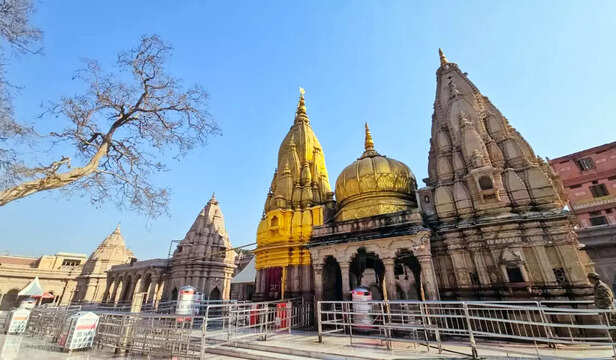
Varanasi, Mar 03 (ANI): A view of the Shri Kashi Vishwanath Temple closed due to...
Image credit : ANI
Among all places associated with Shiva, Kashi is perhaps the most powerful when it comes to protection from death. Hindu belief says that anyone who dies in Varanasi attains moksha because Shiva himself whispers the Taraka Mantra into the ears of the dying soul.
Kashi is not seen as an ordinary city. It is called Shiva’s eternal city, a place believed to stand beyond time and destruction. Ancient texts say that even when the world ends, Kashi remains protected by Shiva.
The Manikarnika Ghat and Harishchandra Ghat are deeply connected with this belief. Thousands of people travel to Varanasi in old age because they wish to spend their last days in a city where Shiva is believed to guide them beyond the cycle of birth and death.
2. Mahakaleshwar Temple, Ujjain
According to legend, Shiva appeared here to protect devotees from a demon named Dushan. In his fierce form as Mahakal, he destroyed evil and promised to remain in Ujjain forever.
Many devotees believe that worshipping Mahakaleshwar protects them from untimely death, fear, accidents, and negative forces. The famous Bhasma Aarti, where sacred ash is offered to Shiva, is also deeply symbolic. It reminds devotees that the body is temporary, but the soul is eternal.
3. Kedarnath Temple, Uttarakhand
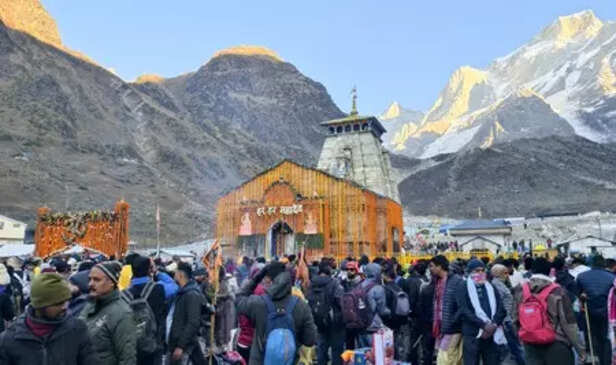
‘Completely wrong’: Cong as BKTC proposes ban on non-Hindus from entering Dham, temples
Image credit : IANS
Located high in the Himalayas, Kedarnath is one of the holiest Shiva temples in India and one of the Char Dham pilgrimage sites. Surrounded by snow-covered mountains and extreme weather, the temple itself feels like a place beyond ordinary life.
Many people believe Kedarnath is not just a temple but a spiritual shield. According to mythology, the Pandavas came here seeking forgiveness after the Mahabharata war. Shiva, pleased with their devotion, blessed the place with immense spiritual power.
During the devastating floods of 2013, one giant rock stopped the force of the water from directly hitting the temple. Devotees still see this घटना as a sign of Shiva’s protection. The rock, now called Bhim Shila, is worshipped as part of the temple complex.
Kedarnath is believed to protect those who come with faith, especially those seeking strength against fear, suffering, and the uncertainty of life.
4. Mrityunjay Mahadev Temple, Varanasi
This temple is closely linked to the Mahamrityunjaya Mantra, one of the most powerful mantras in Hinduism:
“ॐ त्र्यम्बकं यजामहे सुगन्धिं पुष्टिवर्धनम्। उर्वारुकमिव बन्धनान्मृत्योर्मुक्षीय मामृतात्॥”
People chant this mantra for healing, long life, recovery from illness, and protection from danger. Many devotees visit this temple when a family member is seriously ill or when they are facing fear, uncertainty, or life-threatening situations.
The belief is not that Shiva prevents death forever, because death is inevitable. The deeper belief is that Shiva protects people from untimely death and gives them the strength to face life without fear.
5. Amarnath Cave, Jammu and Kashmir
Before entering the cave, Shiva is believed to have left behind Nandi, the moon, snakes, and even his son Ganesha so that no living being could hear this divine knowledge. Inside the cave, he spoke about the mystery of life, death, and rebirth.
The naturally formed ice Shivling inside the cave is considered highly sacred. Pilgrims believe that visiting Amarnath helps them understand that death is not the end, but a transition.
Because of this connection with immortality and divine knowledge, Amarnath is often seen as a place where Shiva protects people from the fear of death.
6. Kal Bhairav Temple, Ujjain
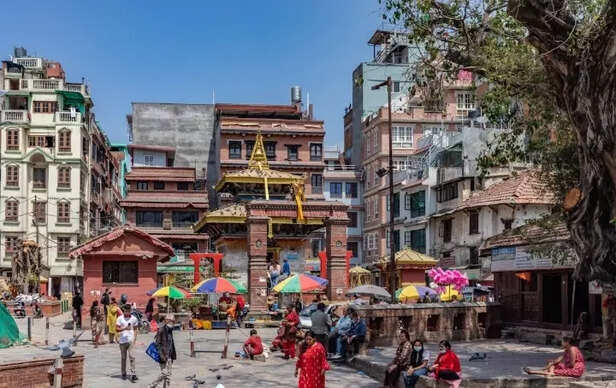
Kal Bhairav
Image credit : Pexels
Kal Bhairav is one of the fiercest forms of Shiva and is believed to guard sacred places from evil, death, and dark energies. The Kal Bhairav Temple in Ujjain is especially important because Bhairav is considered the protector of the city.
Ancient traditions say that nobody can enter Shiva’s sacred city without the permission of Kal Bhairav. He is often worshipped by people seeking protection from accidents, enemies, black magic, and sudden death.
Unlike Shiva’s calm forms, Bhairav represents raw power. His worship is intense and symbolic. Devotees believe he destroys negative forces before they can harm people.
The temple is also famous for the unusual ritual of offering liquor to the deity, which devotees believe is accepted by Bhairav himself.
7. Tryambakeshwar Temple, Nashik
Many people visit Tryambakeshwar to perform rituals for ancestors, especially Narayan Nagbali and Tripindi Shraddha. These rituals are believed to bring peace to departed souls and remove obstacles caused by unresolved ancestral issues.
Because of this, the temple is closely linked with protection from premature death, family suffering, and spiritual unrest.
The Shivling here is unique because it represents Shiva, Vishnu, and Brahma together. This gives the temple an even deeper connection to the cycle of creation, preservation, and destruction.